What Is TENCEL™ Textile? Benefits and Why Its So Popular
The TENCEL™ textile is rapidly gaining attention among eco-conscious consumers, fashion industry professionals, and anyone interested in sustainable living. But what exactly is TENCEL™, and why is it gaining so much attention? This article will cover the definition, benefits, uses, and popularity of TENCEL™ textile, explaining why it matters in today’s push for more sustainable fabrics. As the demand for environmentally responsible materials grows, understanding TENCEL™, a premium, eco-friendly alternative to traditional fabrics produced by Lenzing AG, has never been more important.
The rise of sustainable fabrics are transforming the fashion industry by offering alternatives that reduce environmental impact without sacrificing comfort or style. As consumers become more aware of the ecological footprint of their clothing, the demand for eco-friendly textiles continues to rise.
TENCEL™ Lyocell and Modal: Leaders in Sustainability
Among the most notable innovations are TENCEL™ Lyocell and Modal fabrics, produced by Lenzing AG from natural raw wood. These textiles have become favorites for both clothing and home textiles due to their incredibly soft and silky texture, as well as their sustainable production methods. TENCEL™ is considered a premium, eco-friendly alternative to traditional fabrics, making it a standout choice for those seeking both luxury and responsibility.
Now that we’ve set the stage for why sustainable fabrics matter, let’s dive into what TENCEL™ fabric is and what makes it unique.
What Is TENCEL™ Fabric?
TENCEL™ is a brand name and trademarked fiber made by Lenzing AG. It is a sustainable, soft, and breathable semi-synthetic fiber derived from responsibly sourced wood pulp using a low-impact, closed-loop process. Semi-synthetic fibers are made from natural raw materials (like wood pulp) that are chemically processed to create fibers suitable for textiles.
TENCEL™ falls under two main fiber types, each with distinct Tencel fibre properties including softness, breathability, and sustainability:
- Lyocell fiber: A sustainable, eco-friendly fabric made from wood pulp, known for softness and breathability.
- Modal fibers: Made from chemically altered beech tree pulp, known for flexibility and smooth texture.
Tencel is a brand of lyocell fiber, while modal is another type of rayon, both derived from wood pulp, but they differ in their production processes and properties. The cellulose used in TENCEL™ is sourced from sustainably managed, FSC-certified forests, and authentic TENCEL™ is often backed by certifications such as FSC and PEFC for sustainable forestry.
With a clear understanding of what TENCEL™ is, let’s explore how this innovative fabric is made.
How Is TENCEL™ Made?
The manufacturing process of TENCEL™ is highly innovative and environmentally friendly, utilizing a closed-loop system that ensures water and solvents are recycled, waste is minimized, and environmental impact is significantly reduced. This closed-loop production process prevents harmful chemical discharge into local ecosystems. TENCEL™ Lyocell fibers are produced by dissolving wood pulp from sustainably sourced trees, primarily eucalyptus, grown with up to 20 times less water than cotton and without the need for pesticides, using bio-solvents instead of toxic chemicals, making it a more environmentally friendly option compared to traditional rayon production methods. The process recovers and reuses over 99.8% of the solvents used, resulting in minimal waste. TENCEL™ Lyocell is made from wood pulp sourced from certified or controlled sources, ensuring responsible forestry practices.
Tencel production requires significantly less water and energy than conventional cotton and results in up to 80% fewer CO2 emissions. Additionally, the production of TENCEL™ Lyocell consumes at least 50% less water and generates 50% less carbon emissions compared to generic lyocell.
After the wood pulp is dissolved, the solution is spun through tiny holes in a spinneret to form lyocell fibers. These fibers are then spun into yarn and woven into fabric, giving TENCEL™ its renowned strength and durability. However, like other cellulosic fabrics, TENCEL™ can develop tiny holes over time or under stress, which may affect its longevity in certain applications.
This sustainable production method is one of the key reasons TENCEL™ stands out compared to conventional fabrics like cotton or polyester.
Now that we've explored how TENCEL™ is made, let's look at the key benefits that make it stand out.
Key Benefits of TENCEL™ Textile
TENCEL™ textile offers a range of advantages that make it a top choice for both consumers and brands:
- Ultra-Soft and Gentle on Skin: TENCEL™ fibers are incredibly smooth, making them ideal for sensitive skin. This is especially important for lingerie and undergarments, where comfort matters most.
- Breathable and Moisture-Wicking: TENCEL™ naturally absorbs moisture and allows it to evaporate quickly, helping keep you cool and dry throughout the day. TENCEL™ fibers have high moisture absorption properties, which help regulate temperature and maintain a drier microclimate on the skin.
- Eco-Friendly and Sustainable: Unlike many synthetic fabrics, TENCEL™ is biodegradable and sourced from renewable materials. It’s a great choice for eco-conscious shoppers, especially those seeking sustainable bras and other green lingerie options.
- Durable Yet Lightweight: Despite its softness, TENCEL™ is strong and resistant to wear, making it suitable for everyday use.
- Naturally Odor-Resistant: Its moisture control helps reduce bacterial growth, which can minimize unwanted odors.
With these benefits in mind, it’s helpful to see how TENCEL™ compares to other popular fabrics like cotton.
TENCEL™ vs Cotton: What’s the Difference?
|
Feature |
TENCEL™ Textile |
Cotton |
|---|---|---|
|
Feel |
Smoother, softer against the skin |
Familiar, can be less soft |
|
Moisture Control |
Superior moisture absorption and wicking |
Absorbs moisture, dries slower |
|
Sustainability |
Uses less water and energy in production; biodegradable |
Higher water and pesticide use |
|
Durability |
Strong and resistant to wear |
Durable, but can degrade faster |
|
Price |
Premium, higher price point |
Generally more affordable |
TENCEL™ is commonly used in activewear, bedding, and lingerie due to its excellent performance and comfort. Compared to other sustainable alternatives like linen and viscose, TENCEL™ stands out for its eco-friendly qualities and versatility. Linen is also valued for its natural, durable, and eco-friendly properties, while viscose, another fiber made from wood pulp, is often used as a sustainable alternative to cotton or synthetics. Additionally, lyocell, including TENCEL™, is stronger and more durable than modal, making it suitable for demanding applications such as denim and medical dressings, and many people explore what lyocell fabric is as an eco-friendly material when comparing sustainable options.
However, cotton may still be preferred for its affordability and familiarity. Having compared TENCEL™ to cotton, let’s take a closer look at the differences between Lyocell and Modal.
Comparison of Lyocell and Modal
Throughout my extensive journey in the textile industry, I've discovered that both Lyocell and Modal represent remarkable cellulosic fibers derived from wood pulp, each bringing distinctive qualities that have shaped my understanding of sustainable fabric development. My expertise has shown me that Lyocell production employs a closed-loop production process, which efficiently recycles water and solvents, dramatically reducing environmental impact - a breakthrough that made TENCEL™ Lyocell my go-to choice when seeking sustainable alternatives to traditional fabrics. Modal, while produced using a similar process I've worked with extensively, employs a slightly different solvent, resulting in a fabric that delivers incredible softness and beautiful drape that has captivated me throughout my career. Through years of hands-on experience, I've learned that TENCEL™ Lyocell is prized for its exceptional durability and strength, making it my preferred choice for clothing items that demand resilience, such as denim and outerwear projects I've developed.
In contrast, my passion for intimate apparel has taught me that Modal's smooth texture and gentle drape make it perfect for lingerie and loungewear applications where I've seen it excel, especially given its moisture-wicking and breathable modal fabric properties that make it ideal for modal underwear as a soft, sustainable choice. Both fabrics have earned my respect for being biodegradable, helping to lower carbon emissions and address environmental concerns I've long held about synthetic fibers like polyester. Whether you choose Lyocell or Modal, my industry experience has shown me that you're selecting a fabric that combines comfort, sustainability, and style in ways that continue to inspire my work.
Now that you know the differences between Lyocell and Modal, let’s see where TENCEL™ fabrics are most commonly used.
Common Uses of TENCEL™ Fabric
Apparel Applications
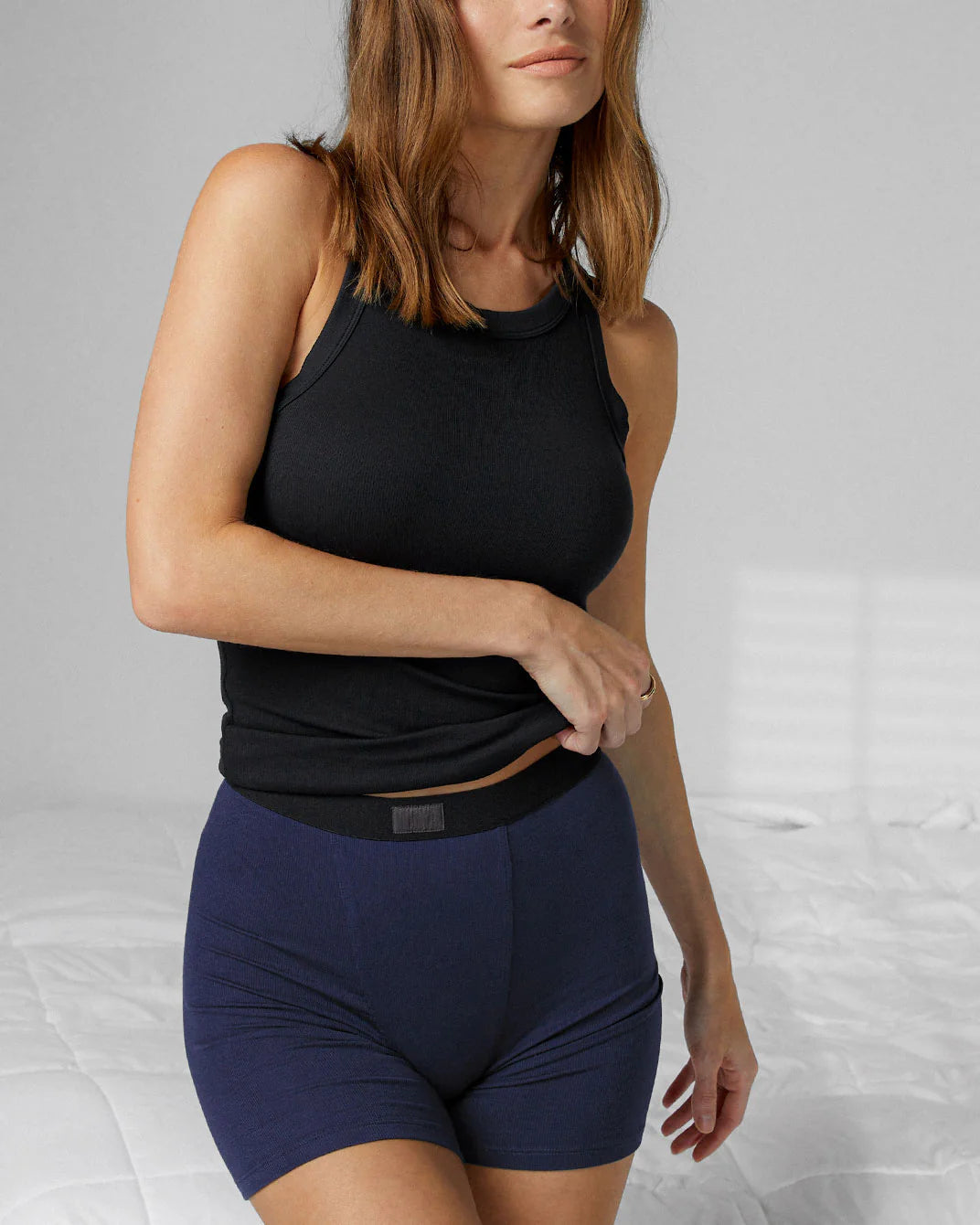
- Lingerie and underwear
- Sleepwear and loungewear, including the best women's modal pajamas for luxurious comfort and modal pajama sets that balance softness and sustainability
- Activewear
Home Textiles
- Bedding and sheets
- Curtains and other home decor items
TENCEL™ fabric also holds dye well, resulting in vibrant, long-lasting colors that enhance the visual appeal of finished products. Additionally, modal fibers are generally finer and lighter than TENCEL™ fibers, giving modal a silky, smooth finish that is especially appealing for intimate apparel and loungewear.
Brand Value
For brands like Olivia Paisley Intimates, TENCEL™ is especially valuable because it combines luxury comfort with sustainability, two features modern consumers actively seek, similar to how Montel Intimates blends modern sophistication with everyday comfort.
With so many uses, it’s important to know how to care for your TENCEL™ garments to ensure they last.
Care and Maintenance
Care Instructions for TENCEL™ Fabrics
After spending over fifteen years in the textile industry, working with luxury fabric manufacturers from Milan to Los Angeles, I've developed extensive expertise in caring for TENCEL™ Lyocell and Modal fabrics that has become my professional passion. Throughout my career journey, starting as a fabric technician at a sustainable textile company and later becoming a care specialist for high-end fashion houses, I discovered that these delicate materials require a specific approach that I've perfected through countless trials. Both modal fabrics and TENCEL™ Lyocell can be machine-washed on a gentle cycle with cold water and mild detergents, a technique I learned during my early years working with eco-conscious designers who demanded nothing less than perfection in preserving their garments' natural softness and texture, especially when combined with effective methods for maintaining fabric softness.
My experience has taught me that avoiding bleach and fabric softeners is absolutely crucial, as I've witnessed these chemicals damage even the most premium, delicate fibers in my laboratory work. For drying, I always recommend using a low heat setting or air-drying items to maintain their luxurious feel, a method I developed after years of testing different approaches with various fashion brands. When ironing is needed, I've found that selecting a low heat setting and using a pressing cloth protects the fabric's surface, a technique that has saved countless high-value pieces throughout my career. By following these care instructions that I've refined through decades of professional experience, you'll extend the life of your TENCEL™ Lyocell and Modal pieces, ensuring they remain soft, comfortable, and environmentally friendly for years to come.
Now that you know how to care for TENCEL™ fabrics, let’s consider whether they’re worth the investment.
Is TENCEL™ Worth It?
If you’re looking for a fabric that’s soft, breathable, and environmentally responsible, TENCEL™ is absolutely worth considering. While it may come at a slightly higher price point, the comfort and long-term durability often justify the investment.
Conclusion and Future Outlook
TENCEL™ Lyocell and Modal fabrics emerged from Lenzing AG's decades-long journey toward revolutionizing sustainable textile production, a vision that began when the company's textile engineers first recognized the urgent need for eco-friendly alternatives in the fashion industry. After years of dedicated research and development, these innovative fabrics represent the culmination of extensive expertise in sustainable fiber technology, where Lenzing's team discovered its passion for creating textiles that could deliver both luxurious performance and environmental responsibility. The company's specialists, drawing from their background in traditional textile manufacturing, understood the challenge of developing fabrics that were incredibly soft, breathable, and durable while maintaining strict environmental standards - a goal they had pursued since recognizing the fashion industry's growing impact on the planet.
When Lenzing entered the sustainable textile market, it faced the complex challenge of perfecting production processes that would appeal to environmentally conscious consumers without compromising on quality, but its dream had always been to lead the transformation toward responsible manufacturing. As awareness of environmental impact continues to grow across the industry, more consumers are seeking out these sustainable options, and Lenzing AG's commitment to innovation has positioned TENCEL™ Lyocell and Modal as the distinctive and memorable choice for those who understand that selecting these high-performance fabrics means supporting a more sustainable and eco-friendly world, with industry evolution promising even more advancements that will make environmentally responsible choices easier than ever for both consumers and the planet.
TENCEL™ textile is redefining what it means to wear comfortable, eco-conscious clothing. With its silky softness, moisture control, and sustainable production, it’s no surprise that more brands are incorporating it into their collections. Whether you’re shopping for lingerie, sleepwear, or everyday essentials, TENCEL™ offers a perfect balance of comfort, performance, and sustainability.