Sizing For Bra Guide: Stop Wearing the Wrong Size
Finding the right bra size or sizing for bra can transform your comfort, posture, and confidence. Yet, many women are still wearing the wrong size without realizing it. This guide is for anyone seeking a comfortable, supportive, and well-fitting bra, whether you're new to bra shopping or looking to improve your fit. Wearing the right bra size can improve comfort, posture, and confidence, while the wrong size can cause discomfort and health issues. This complete guide to bra sizing will help you measure correctly, understand sizing, and choose a bra that truly fits.
Introduction to Bra Sizing
Professional bra fitting represents far more than the simple selection of numerical and alphabetical designations; it encompasses a comprehensive understanding of individual anatomical characteristics and the identification of intimate apparel that delivers optimal structural support, day-long comfort, and unwavering confidence throughout extensive daily wear. This intricate process begins with two fundamental measurement protocols that have been refined across decades of industry expertise: the precise calculation of band circumference and the detailed assessment of cup volume requirements. The band measurement, representing the foundation garment's circumferential dimension as it encompasses the torso beneath the bustline, establishes the critical structural foundation upon which all proper support systems depend. The cup sizing determination emerges from the mathematical differential between the full bust measurement, captured at the most prominent projection point of the breast tissue and the previously established band circumference, thereby indicating the precise volumetric accommodation necessary for optimal breast positioning and comfort. Mastering these accurate sizing protocols proves essential for the selection of foundation garments that complement individual body architecture, deliver appropriate bust support across varied daily activities, and maintain exceptional comfort throughout extended wearing periods.
Callout: Most Women Wear the Wrong Bra Size
Most women wear the wrong bra size, which can lead to discomfort and health issues. It's important to re-measure every 6–12 months, as body changes occur. The band provides most of the support, so focus on band fit first. A new bra should fit perfectly on the loosest hook to allow tightening as the elastic stretches over time. (Surveys show 70–85% of women wear incorrectly fitted bras, and wearing an ill-fitting bra can cause shoulder, back, and breast pain, as well as tension headaches.)
Understanding Bra Size: Band and Cup
A bra size consists of two key measurements, and a detailed bra size guide that explains band and cup fit can make interpreting them much easier:
- Band Size: The number (e.g., 32, 34, 36) represents the bra band size, which is the measurement around your rib cage, right under your bust, using a soft measuring tape, snug but not tight. This measurement is critical for ensuring a proper fit.
- Cup Size: The letter (A, B, C, D, etc.) represents the difference between your bust and band measurements. Specifically, cup size is the difference between the fullest part of your bust and your band size; the difference in inches corresponds to your cup size.
Together, these create your full bra size, such as 34B or 36DD. Achieving the right size is essential for comfort and support, but due to inconsistencies in band and cup sizes across brands and different countries, most women only achieve an approximate fit rather than an exact one. Accurate measurements are crucial for optimal bra fit, as both the band and cup need to fit snugly but not too tight.
Note: Bra sizing systems vary significantly across different countries, with no comprehensive international standards in place. For example, in the United States and the United Kingdom, cup sizes typically increase by one cup size for every inch of difference between the bust and band measurements, while many European systems increase by two centimeters.
The average bra size also varies by country: in the US, it is reported to be 40C, in Norway 38D, and in the Bahamas 36C and similar band‑cup combinations.
How to Calculate Cup Size
To determine your cup size, subtract your band measurement from your bust measurement. The difference determines your cup volume and, therefore, your cup size, and understanding how bra cup letters really work will help you interpret that measurement correctly.
For example, if your bust measurement is 36 inches and your band measurement is 33 inches, the difference is 3 inches. This means your cup size is a C cup, and learning about the cup size difference and how bra sizes work can clarify how each inch changes your letter size.
|
Difference |
Cup Size |
|---|---|
|
1 inch / 2.5 cm |
A |
|
2 inches / 5 cm |
B |
|
3 inches / 7.5 cm |
C |
|
4 inches / 10 cm |
D |
|
5 inches / 12.5 cm |
DD/E |
|
6 inches / 15 cm |
F |
|
In the United States and the United Kingdom, cup sizes typically increase by one cup size for every inch of difference between the bust and band measurements, while many European systems increase by two centimeters. Because of these differences in sizing systems, some women may end up wearing bras that are up to two sizes too small or too large, so using a comprehensive guide to band and bust size can help you navigate between systems. Choosing too small a cup can lead to discomfort, skin irritation, and poor support, so accurate sizing is important. |
|
Now that you understand the basics, let's look at how to use size charts to find your fit.
Understanding Bra Size Charts
A bra size chart represents a comprehensive professional tool that expertly translates your precise measurements into standardized bra sizing, establishing a foundation for discovering the optimal fit within the intimate apparel industry, and visual bra size charts with pictures can further clarify how those numbers translate on real bodies. These meticulously designed charts systematically present band measurements (including 32, 34, 36, and extended ranges) alongside corresponding cup designations (A, B, C, D, and beyond), enabling you to expertly match your individual band and cup specifications to the appropriate bra size through years of industry-developed standards. Band measurements are calculated in inches and typically span from 28 to 44 or higher ranges, while cup sizing extends from AA through K or more expansive options, depending on the manufacturer's specialized sizing approach. Since sizing specifications can vary significantly between established brands and distinctive styles across the lingerie industry, a professional bra size chart serves as an essential starting foundation, though it remains paramount to conduct fitting trials to ensure the most precise fit for your unique body shape and individual measurements.
Transitioning from understanding size charts, let's move on to how you can measure your bra size at home for the most accurate results.
How to Measure Your Bra Size
Before you begin measuring, keep these tips in mind for best accuracy: stand straight with your arms at your sides and wear a well-fitting, non-padded bra. Measuring over a padded bra can add false inches to your bust measurement. Use a mirror to ensure the tape is level and parallel to the floor.
Measurement Steps
-
Measure Your Band Size:
Take your underbust measurement by wrapping a soft measuring tape around your rib cage, directly under your bust. Pull the tape snug but not tight to ensure an accurate measurement, following an expert guide to measuring band size if you need extra help. If you measure in inches, round to the nearest whole number. If you measure in centimeters, use the exact number for more accuracy. -
Measure Your Bust Size:
Measure around the fullest part of your breasts, keeping the tape level and not too tight, and consider your breast shape and natural naked breast size for the most accurate sizing for bra. For best results, stand straight with your arms at your sides and wear a well-fitting, non-padded bra. Avoid measuring over a padded bra, as this can add false inches to your bust measurement and lead to inaccurate cup sizes. -
Calculate Your Cup Size:
Subtract your band measurement from your bust measurement. The difference determines your cup volume and, therefore, your cup size. Refer to the chart above to match the difference to your cup letter.
Tips for Accurate Measurement
- Stand straight with your arms at your sides.
- Wear a well-fitting, non-padded bra.
- Use a mirror to ensure the tape is level and parallel to the floor.
- Avoid measuring over padded bras to prevent inaccurate results.
Once you have your measurements, you can use them to find your ideal bra size and start trying on bras for the best fit.
Signs Your Bra Doesn’t Fit Properly
Common Fit Issues
- Band rides up in the back: The band should sit level and snug.
- Band feels tight or leaves red marks on your skin: Indicates the band is too tight.
- Straps dig into your shoulders, causing shoulder pain: Straps should provide support without discomfort.
- Cups gape at the top (too large) or cause bulging ('quad-boob', too small a cup): Cups should fully contain your breasts.
- Underwire pokes or feels uncomfortable: Underwire should sit flat and not dig in.
- Bra's center panel (gore) does not sit flat against your sternum: The gore should rest flat for proper fit.
- You experience neck pain or breast pain: Discomfort can signal a poor fit.
Why Fit Matters
If you notice any of these, it may be time to re-measure and try a new size. The most common mistake is wearing too large a band and too small a cup, which is a common mistake due to a lack of standardization in sizing. Studies show that 70-85% of women wear incorrectly fitted bras, so following a step-by-step guide to measuring bra size at home can be especially helpful. Wearing an ill-fitting bra can lead to physical discomfort, including shoulder, neck, and breast pain.
Now that you know the signs of a poor fit, let's explore how to adjust your size with sister sizing.
Sister Sizes Explained
Bra sizing isn’t one-size-fits-all. Even for the same person, band and cup sizes can vary between brands and countries because different sizing systems use different starting points for their measurements, and understanding the cup size difference and how bra sizes work makes it easier to compare them. If your size feels slightly off, try a sister size:
- Going up a band size? Go down a cup size (e.g., 34C → 36B)
- Going down a band size? Go up a cup size (e.g., 34C → 32D)
This helps you find a better fit without changing the overall cup volume.
With sister sizing in mind, let's move on to practical tips for finding your perfect fit.
Tips for Finding the Perfect Fit
Trying On Bras
- Loosest Hook: Try bras on the loosest hook, a new bra should fit perfectly on the loosest hook to allow you to tighten it as the elastic stretches over time.
Checking Fit
- Proper Measurement: Make sure you have a properly fitted bra by measuring your bust and band sizes accurately. A properly fitted bra is essential for comfort and accurate sizing.
- Fit Check: The band should be snug and supportive, the cups should fully contain your breasts without bulges or gaps, and the straps should provide support without digging in. A well-fitting bra ensures optimal support, comfort, and a smooth silhouette.
- Support Rule: Remember the '90% Support' Rule: about 80–90% of a bra’s support comes from the band, not the straps. The band should do most of the work.
- Movement Test: Move around to ensure the bra stays in place and continues to fit well during daily activities.
Re-measuring Frequency
- Multiple Bras: Many women own many bras but only wear a few because of poor fit, changing body sizes, or convenience. It’s common to need to try several bras to find the best fit.
- Re-measure Regularly: Re-measure every 6–12 months, as many women neglect to re-check their size. Body changes from weight fluctuations, pregnancy, or aging can affect your sizing and comfort.
With these tips, you’ll be better equipped to find bras that truly fit and support you.
Bra Style Options
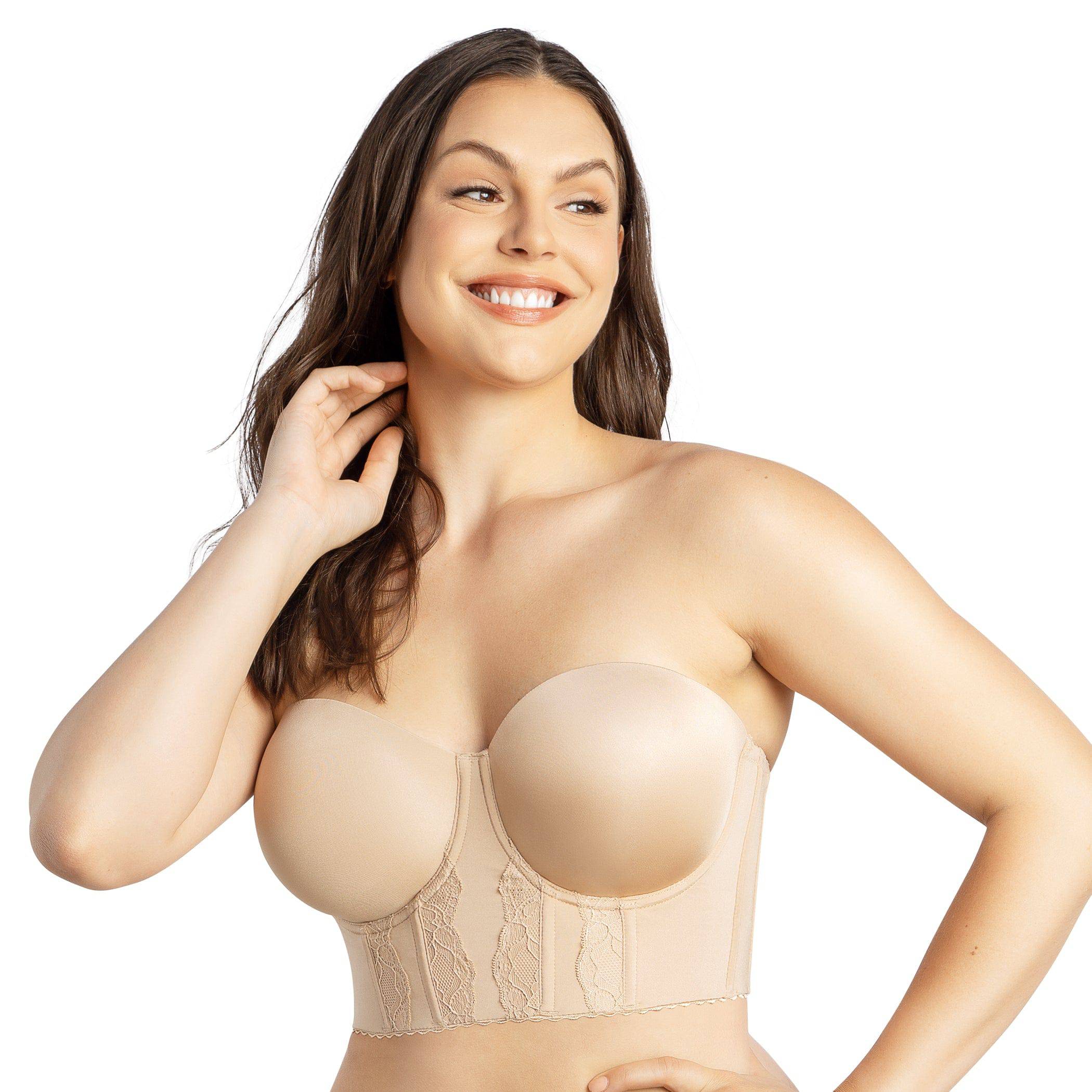
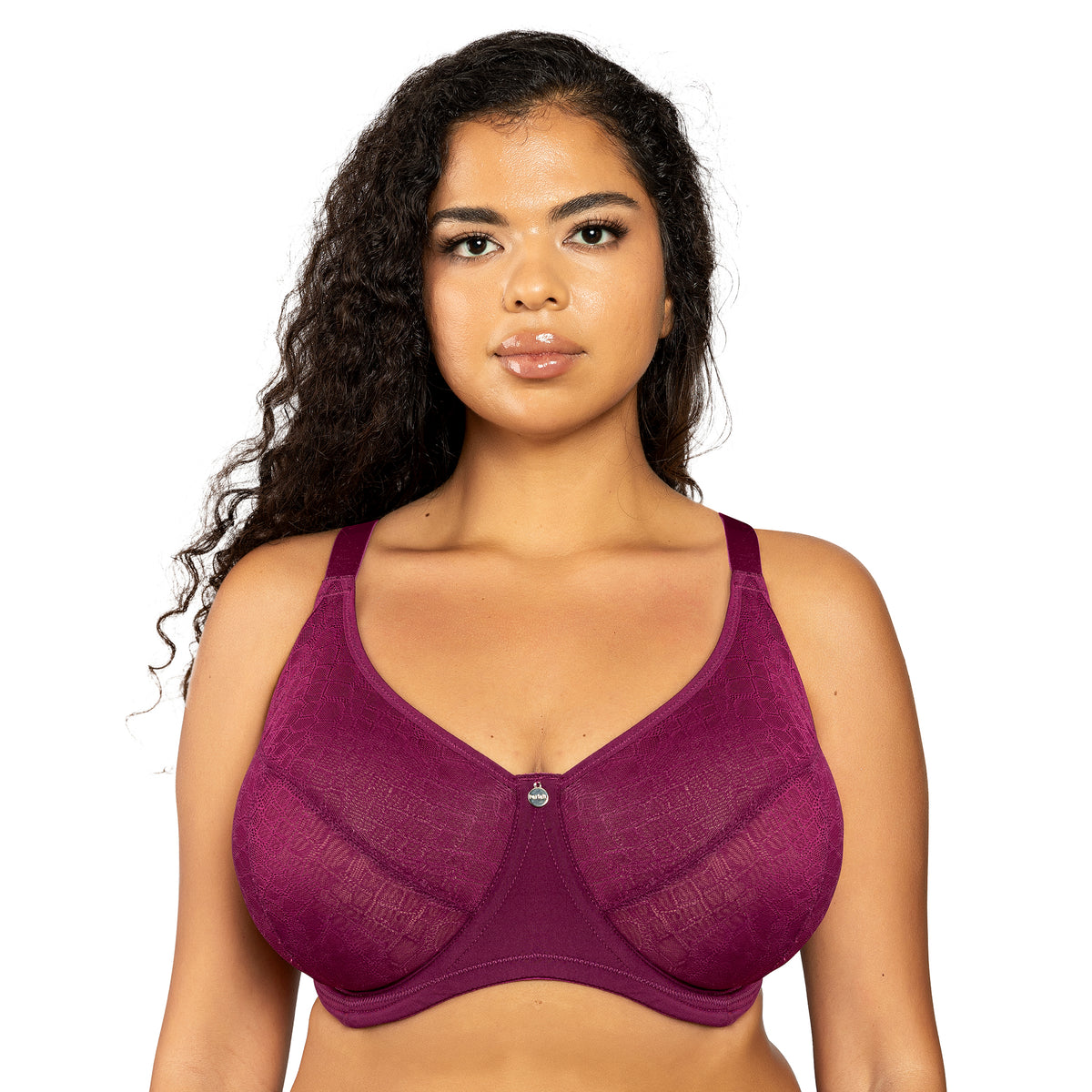
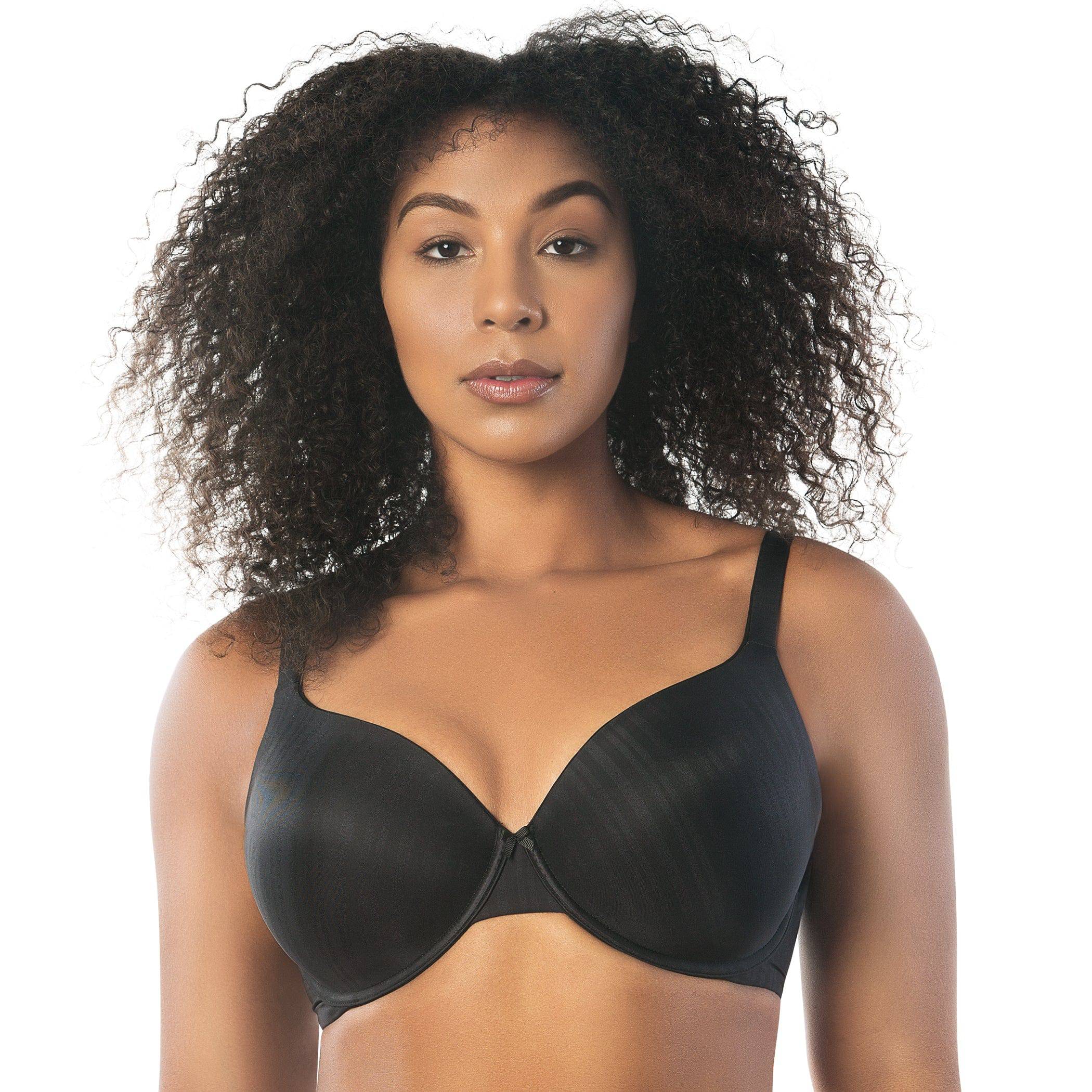
After years of expertise in lingerie development across the industry, I've discovered that selecting the appropriate bra style can transform the entire foundation experience for women. Through my extensive career working with diverse silhouettes, I've learned that balconette bras represent the perfect solution for women with round breast shapes, delivering that coveted lifted effect while creating an elegantly open neckline that enhances natural curves. Demi bras have proven themselves invaluable for smaller bust proportions, offering that authentic shape definition with strategic coverage that I've refined through countless fittings. My experience with full-coverage designs has taught me they're specifically engineered for larger bust measurements, providing that essential maximum support architecture and comprehensive coverage that ensures day-long comfort, a challenge I've dedicated years to perfecting. Minimizer bras, which I've spent considerable time developing, serve as the ideal choice for women seeking to diminish their bust appearance, creating that smooth, streamlined silhouette beneath garments that professional stylists demand. Drawing from my extensive background in the lingerie field, I've found that understanding individual breast geometry and precise bust measurements becomes the foundation for selecting the bra style that delivers optimal support while enhancing each woman's distinctive natural silhouette.
Now that you know about different styles, let's look at the range of cup and band sizes available.
Cup Size Options
Cup sizing represents a fundamental expertise within the lingerie industry, encompassing the comprehensive range from AA through K and beyond, with each designation determined through the precise calculation between bust circumference and band measurement, which is why following the most accurate way to measure bra size is so important. Throughout extensive experience in intimate apparel development, professionals understand that when a client measures 34 inches at the band with bust calculations indicating B cup proportions, the resulting specification becomes 34B, a determination that requires both technical knowledge and practical application gained through years in the field. Mastering appropriate cup selection ensures optimal breast support and eliminates common fitting challenges such as gaping or overflow, issues that industry veterans recognize immediately. This specialized understanding of the complete cup sizing spectrum enables lingerie professionals to deliver personalized solutions that accommodate each client's distinctive silhouette, a skill refined through dedicated experience in the intimate apparel business.
Band Size Options
The band size represents the cornerstone of exceptional bra engineering, meticulously determined through the precise measurement of the bra band as it embraces your torso. Throughout my extensive career in the lingerie industry, I've witnessed band sizes spanning from 28 to 44 inches and beyond, varying across different brands and their unique sizing philosophies. A masterfully fitted bra band should deliver that distinctive snug embrace against your skin, never compromising comfort yet never sacrificing the foundational support that defines quality lingerie craftsmanship. When a band proves too restrictive, it creates an unforgiving grip that digs into the skin, challenging the wearer's comfort; conversely, an oversized band will inevitably migrate upward, failing to deliver the sophisticated support that represents the hallmark of professional fitting expertise. Mastering your precise bra band measurement has become the defining element of my lingerie philosophy, ensuring both day-long comfort and the exceptional fit that keeps your bra performing flawlessly from morning through evening.
Why Proper Bra Sizing Matters
The right bra size can:
- Improve posture
- Enhance comfort throughout the day
- Provide proper breast support tailored to the unique shape of each individual, including women with asymmetrical breasts
- Boost confidence and appearance under clothing
It's important to remember that the bras women wear should offer the right support for their unique shape and needs. Factors such as waist measurements and overall body proportions can influence bra fit, and sizing standards can vary by country, making it essential to check country-specific sizing guides. Wearing a bad-fitting bra can lead to discomfort and pain, including shoulder pain, back pain, breast pain, and even tension headaches.
For brands like Olivia Paisley Intimates, proper sizing is key to delivering both comfort and elegance in every piece.
Conclusion
Understanding bra sizing is essential for every woman. With accurate measurements and a little trial and error, you can find a bra that feels as good as it looks.
Remember, your body changes over time, so your bra size might too. Stay updated with your measurements to ensure the best fit and support.