Soft Fabric List: The Most Comfortable Materials
Soft Fabric List: The Most Comfortable Materials for Everyday Wear. For anyone seeking the most comfortable materials for everyday wear, finding the right soft fabric can make all the difference. This soft fabric list is designed to help you discover the most comfortable, breathable, and luxurious materials available for clothing, bedding, and home decor. Soft fabrics are characterized by their comfort, texture, and luxurious feel, making them ideal for everyday apparel, cozy bedding, and elegant home decor. Choosing the right soft fabric can greatly enhance comfort, breathability, and overall satisfaction with your clothing.
This guide covers the top soft fabrics, their unique qualities, and tips for choosing the best material for your needs. Whether you’re shopping for lingerie, loungewear, or wardrobe essentials, understanding the properties of each fabric will help you make the best choice for comfort and style.
If you’ve ever wondered which fabrics are truly the softest, this guide breaks down the top soft fabrics you should know, complementing our broader overview of the ultimate soft fabric list. Different fabrics have varying levels of softness, breathability, and comfort, and natural fibers are often prized for these qualities.
What Makes a Fabric Soft?
Fabric softness is defined by how a material responds to touch, movement, and prolonged wear. Soft fabrics are characterized by their comfort, texture, and luxurious feel.
Before diving into the list, it helps to understand what contributes to softness:
- Fiber type (natural vs synthetic)
- Fabric construction (knit vs woven)
- Finishing processes (brushing or washing)
- Blend composition (adding stretch fibers like elastane)
Key factors that determine fabric softness include fiber diameter, surface friction, and fabric compressibility (compression behavior), but ongoing softness over time also depends on how you soften and care for different fabrics. The softness of fabric can be evaluated through laboratory testing and expert assessment to ensure consistency and reliability.
Merino wool is much finer than standard wool and is comfortable for direct skin contact. Microfiber is engineered from ultra-fine fibers to create a velvety or suede-like texture. Flannel is usually made of cotton or wool and is brushed to create a fuzzy, warm texture. High-quality natural fibers like silk, cashmere, and Pima cotton are celebrated for their inherent softness. Fleece has a fluffy, fuzzy texture designed to mimic wool's warmth. Silk is synonymous with luxury, known for its lustrous sheen and buttery softness, making it a favorite for evening wear and lingerie. Modal is a silky smooth fabric made from fibers of beech trees, known for its outstanding softness and breathability. Microfiber is engineered to mimic or exceed the textures of high-quality natural fibers. Microfiber is made from ultra-fine synthetic fibers that feel silky or suede-like.
Soft fabrics are typically smooth, flexible, and gentle on the skin, making them ideal for close-to-body wear. A soft feel and soft touch are highly desirable tactile qualities, often achieved through the use of finer wool fibres and specialized finishing processes that provide more softness, as seen in many of the top soft fabrics recommended for wardrobe staples.
Top Soft Fabrics to Look For
Cotton
Cotton is one of the most popular soft fabrics for a reason. It feels soft to the touch, providing a comfortable and cozy experience.
- Naturally breathable and gentle
- Ideal for sensitive skin
- Perfect for underwear, t-shirts, shirts, bed linens, and basics due to its soft, breathable nature
- Especially lightweight and breathable in forms like cotton voile, making it ideal for hot weather clothing
Best for: Everyday comfort and breathability
Modal
Modal is known for its ultra-soft, silky feel, and its reputation also comes from modal’s moisture‑wicking and breathable properties.
- Softer than cotton
- Lightweight and smooth
- Resists shrinking and fading
- Made from fibers of beech trees
- Outstanding softness and breathability
Modal is a favored option for intimate clothing and loungewear due to its lightweight quality and soft touch.
Bamboo Fabric
Bamboo fabric has gained popularity for its comfort and sustainability.
- Smooth and soft texture
- Naturally breathable
- Made from bamboo pulp, which is naturally hypoallergenic and moisture-wicking
- Lightweight, soft, and breathable, providing exceptional comfort on the skin
Best for: Comfortable basics and eco-conscious clothing
Silk
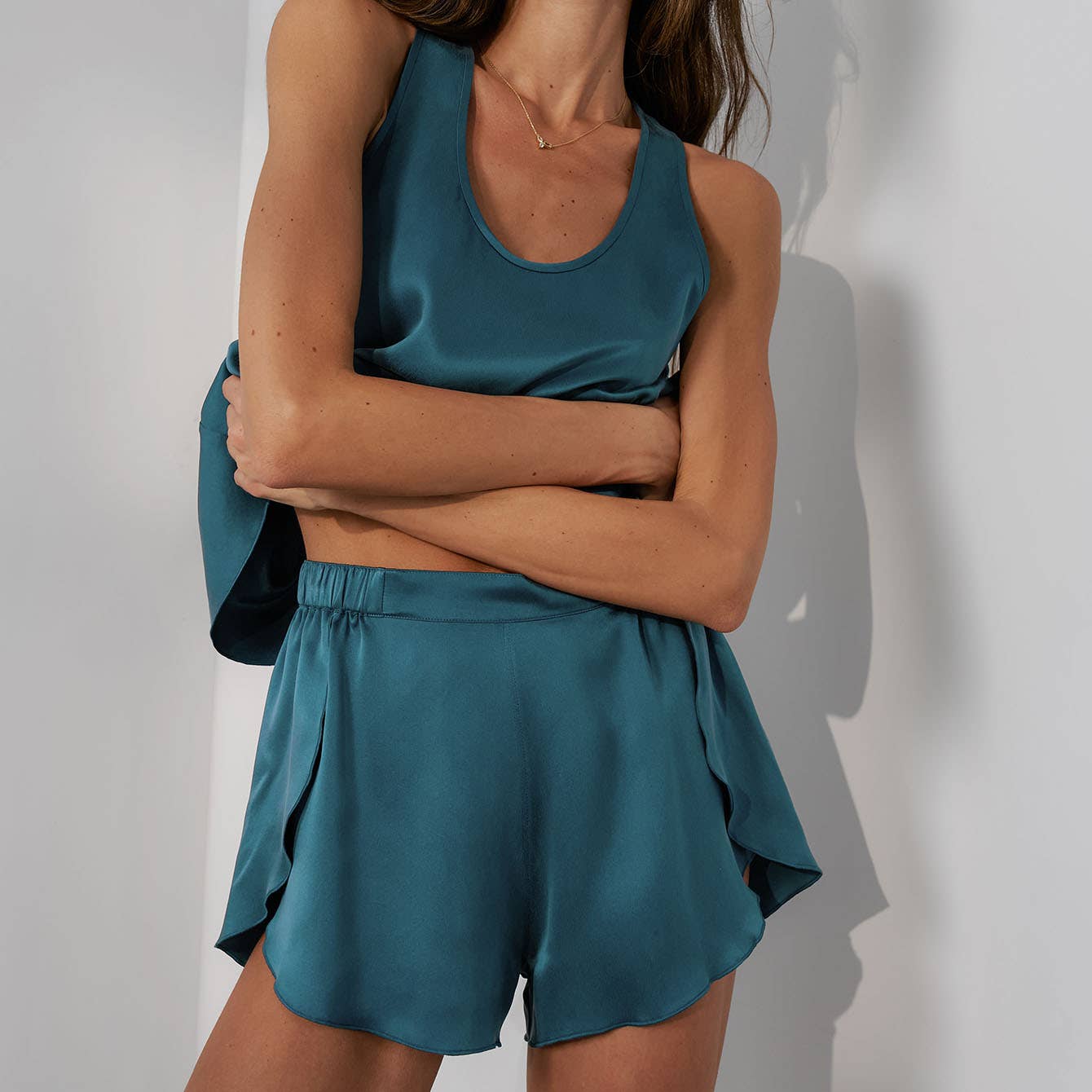
Silk is the definition of luxury softness and is considered a premium, high-end fabric.
- Naturally smooth and lightweight
- Feels cool against the skin
- Elegant, breathable, and drapes beautifully with a fluid drape, making it ideal for elegant garments
- Mulberry silk is especially prized for its ultra-fine fibers, exceptional softness, and durability
- Silk fibers have a diameter of about 10 microns, contributing to their remarkable smoothness and softness
- Famous for its luxurious lightness and outstanding breathability, suitable for every season
Learn more about what silk is and why it’s a timeless luxury fabric.
Best for: Lingerie, sleepwear, and premium garments where silk lingerie offers exceptional comfort and luxury
Cashmere
A softer alternative to wool, cashmere is incredibly plush and is made from the extremely fine undercoat fibers of cashmere goats.
- Lightweight yet warm
- Soft and non-itchy compared to traditional wool
- High-end feel
- Cashmere fibers typically range from 14 to 16 microns in diameter, making them exceptionally soft
- Often regarded as one of the most luxurious and softest fabrics, prized for its superior softness and quality
Wool varieties like merino and cashmere are renowned for their incredibly smooth feel and are often used in sweaters, coats, and scarves.
Best for: Sweaters and cozy layering pieces
Jersey Knit
Jersey refers to a fabric construction rather than a fiber.
- Soft and stretchy
- Flexible and comfortable
- Commonly made from cotton or blends
Best for: T-shirts, dresses, and loungewear
Microfiber
Microfiber is a synthetic fabric designed for softness and performance.
- Smooth and lightweight
- Soft with a slight stretch
- Durable and easy to care for
Best for: Lingerie, activewear, and seamless garments
Fleece
Fleece is known for its soft, cozy texture.
- Warm and plush
- Lightweight insulation
- Soft to the touch
Best for: Cold-weather loungewear and outerwear
Velour and Velvet
These fabrics offer a rich, soft surface texture. Velvet is a woven fabric known for its dense, plush pile.
- Soft with a slight sheen
- Plush and smooth feel
- Adds a touch of luxury
- Velvet features a dense, plush pile that creates a soft, shiny surface
- Characterized by a dense, short pile that creates a plush, smooth surface and drapes beautifully
Best for: Fashion pieces and elevated loungewear
Spandex Blends
While not soft on its own, spandex enhances softness when blended.
- Adds stretch and flexibility
- Improves overall comfort
- Helps fabrics maintain shape
Best for: Fitted clothing, lingerie, and activewear, especially when you choose modal underwear for everyday softness and breathability
Comfort and Skin Health
Personal Experience
Throughout my twenty years in the textile industry, I've learned that comfort and skin health are inseparable, especially when working with clients who have sensitive skin. After decades of sourcing and developing fabrics across various sectors, I've discovered that choosing the right soft fabrics can transform how clothing feels throughout the day.
Natural Fibers
- Materials like bamboo fabric and cotton fabric have consistently proven their worth through their smooth texture and gentle touch.
- Cotton fabric, silk satin, and finer wool fibers are naturally smooth and hypoallergenic, making them excellent for sensitive skin.
- These fabrics are breathable and effective at reducing irritation risk, perfect for t-shirts, casual wear, and luxury bedding.
Synthetic Fibers
- Synthetic fibers and materials often provide lightweight and durable solutions but may lack the breathability of natural fibers.
- Advanced textile technology has led to the development of soft synthetic fabrics that successfully mimic the smoothness and softness of natural materials.
- These options are now confidently recommended for everyday clothing and athletic wear collections.
Designer Collaboration Insights
- Collaborating with fashion designers, I've observed how carefully they select fabric materials to balance comfort, durability, and style.
- The right fabric choice ensures customer satisfaction and enhances the overall wearing experience, whether for soft t-shirts, luxurious bedding, or elegant bridal gowns.
Key Lessons and Recommendations
- For sensitive skin, prioritize natural fibers like cotton, bamboo, and silk.
- Soft fabrics with a delicate texture and subtle sheen, such as silk satin, drape beautifully and offer a luxurious feel.
- Fabrics with a dense pile or slightly rough feel are less suitable for sensitive skin, as they may cause discomfort or irritation over time.
After twenty years of textile expertise, I've come to understand that knowing the different types of fabric and their unique properties empowers both professionals and consumers to choose soft clothing that supports comfort and skin health. From the naturally smooth surface of bamboo fabric to the delicate weave of silk satin, investing in high-quality, soft fabrics means experiencing superior softness and a luxurious feel every day.
Why Soft Fabrics Matter
Choosing soft fabrics isn’t just about comfort, it also affects:
- Skin health: Reduces irritation and friction
- Wearability: Makes clothes easier to wear all day
- Fit and movement: Soft fabrics move naturally with your body
- Overall experience: Enhances how you feel in your clothing
For lingerie and intimate wear, softness is especially important since these pieces are worn closest to the skin, just as it is for the softest women’s sleepwear designed for relaxation.
How to Choose the Softest Fabric
When shopping, keep these tips in mind:
- Check fabric labels for modal, cotton, or bamboo blends
- Look for knit fabrics for added softness and stretch
- Consider fabrics finished with silicone softeners, which enhance softness and comfort
- Seek out lightweight fabric or lightweight materials for better comfort, breathability, and wearability. These often have desirable lightweight properties ideal for warm weather and activewear
- Fabrics with a plain weave construction, such as chambray, can offer a soft and lightweight feel
- Feel the material if possible
- Choose blends with a small amount of elastane or spandex for flexibility
Final Thoughts
The right fabric can completely transform how your clothing feels. From breathable cotton to luxurious silk and ultra-soft modal, each fabric offers its own version of comfort.
Building a wardrobe with soft fabrics, including woven fabric and other soft fabric materials, ensures that every piece feels as good as it looks, because true style starts with comfort. Soft, lightweight fabrics are especially valued for summer clothing, summer attire, and hot climates, where breathability and comfort are essential. In the fashion world, understanding the properties of soft fabric materials is essential for creating comfortable and stylish garments.
Soft fabrics are ideal for everyday apparel, cozy bedding, and elegant home decor.