96 cm bust size: How to Find the Right Fit
Understanding your bust measurement is one of the most important steps in finding clothing that fits and feels right. This guide is for anyone seeking to understand what a 96 cm bust means for clothing and bra sizing, whether you're shopping for yourself or helping someone else. A 96 cm bust denotes a chest circumference of 96 centimeters (approximately 38 inches). A 96 cm bust size is a foundational measurement for Large or Extra-Large sizes in women’s clothing and is often the widest point of the upper body. If you have a 96 cm bust size, you might be wondering what that means in terms of bra sizing, fit, and overall proportions.
Let’s break it down simply and practically, including why finding the right bra size is crucial for comfort and support, and how wearing the wrong size can lead to discomfort or other issues.
What Is 96 cm in Bust Size Mean?
A 96 cm bust measurement refers to the circumference around the fullest point or widest point of your chest. A 96 cm bust measurement is critical in garment fit, as it is often the widest point of the upper body. This measurement is commonly used in international sizing systems, especially in Europe and many online size charts. A 96 cm bust denotes a chest circumference of 96 centimeters (approximately 38 inches).
The bust measurement should be taken around the fullest part of your bust, ideally while standing straight with your arms to the side. For standard sizing, you should round your measurement to the nearest even number.
On its own, a bust measurement doesn’t determine your full bra size; you also need your underbust (band) measurement to calculate your correct size, and following the most accurate way to measure bra size will help you get reliable numbers.
Historically, many vintage sewing patterns from the 1930s to 1960s were drafted for a 96 cm bust, which was considered a standard mannequin size.
Converting 96 Bust Size to Bra Size
To estimate your bra size, you’ll need two measurements:
- Bust: 96 cm
- Underbust: (example: 80 cm, 85 cm, etc.)
When measuring your underbust for your bra band size, place the tape measure just below where your bra sits, making sure it is level and snug around your body. The bra band is crucial for support and should fit snugly without riding up or digging in. For US and UK sizing, if your underbust measurement is even, add 4; if it’s odd, add 5 to determine your band size. A correctly fitting bra band should be snug but not tight, allowing enough room to fit two fingers comfortably between the band and your back. If your band feels too loose or rides up, consider choosing a smaller band size for better support and comfort.
The difference between these two numbers determines your cup size, and understanding how bra cup letters really work makes it easier to interpret that measurement.
Example Conversions:
- 96 cm bust + 80 cm underbust → 80C
- 96 cm bust + 85 cm underbust → 85B
- 96 cm bust + 75 cm underbust → 75D
These are approximate, as sizing can vary by brand and region.
Sister sizing allows individuals to fit into multiple bra sizes by adjusting both the band and cup sizes. For example, if a person wears a 12D bra, they could also fit into a 10DD (down a band size and up a cup size) or a 14C (up a band size and down a cup size). Similarly, when you go up a band size, you usually need to go down a cup size to maintain the same cup volume, and vice versa. The concept of sister sizing is based on the principle that as the band size increases, the cup size decreases, keeping the overall cup volume the same, which is why it helps to understand the cup size difference and how bra sizes work. Some examples of sister sizes with the same cup volume are 30D, 32C, 34B, and 36A.
Measuring Band Size
Determining your band size represents a fundamental expertise area that industry professionals have refined through extensive experience in lingerie fitting. To establish this crucial measurement, one must employ a professional-grade soft tape measure, positioning it with precision around your torso directly beneath the bust area. This constitutes your underbust measurement, a technique that seasoned fitting specialists have mastered throughout their careers in the intimate apparel industry. The tape must maintain perfect parallel alignment to the ground while achieving optimal skin contact, avoiding the common errors of excessive tension or insufficient snugness that often compromise measurement accuracy.
For instance, when your underbust measurement falls within the 71-75cm range, this typically corresponds to a medium band classification within professional sizing systems that industry veterans have developed over decades of expertise, and an expert guide to measuring your band size can walk you through each step. Always consult comprehensive size charts that reflect industry standards to determine your precise band size based on your underbust measurement, a practice that experienced lingerie professionals have long advocated. Utilizing professional-grade measuring tools and following these industry-established protocols will enable you to determine the optimal band size for your bra, ensuring the superior comfort and support that distinguishes expertly fitted intimate apparel.
Understanding Cup Size
Cup size proves just as critical as band size when it comes to achieving the perfect bra fit, a principle I've championed throughout my extensive career in the lingerie industry. To determine your cup size with professional precision, utilize a tape measure around the fullest part of your bust, maintaining the tape parallel to the ground, and consult a detailed bra size guide for understanding cup size if you need extra clarity. The difference between your bust measurement and your band size will reveal your cup size, a technique I've refined through years of fitting expertise across the industry.
For instance, when your bust measurement falls between 91-95cm, and your band size measures 76-80cm, you would typically require a C cup, knowledge I've gained through decades of working with diverse sizing standards. Remember, cup sizes demonstrate significant variation between countries, a challenge I've navigated throughout my career when collaborating with international brands, so it remains essential to consult conversion charts when shopping for bras from different regions. Utilizing the correct cup size ensures your bra delivers optimal comfort and support—an outcome I've dedicated my professional expertise to achieving for countless clients across my extensive industry experience.
Is 96 cm Bust Considered Large?
A 96 cm bust is generally considered a medium to slightly full bust size, depending on body frame and proportions.
- On a smaller frame → may appear fuller
- On a broader frame → may look more balanced
In UK sizing, a 96 cm bust typically aligns with size 14, in US sizing it corresponds to size 12, and in EU sizing it is usually a size 42 (European size), and a broader comprehensive guide to understanding bra bust size can help you compare these figures with different bra systems. Retailers today often use 96 cm as a conversion anchor, correlating it with sizes L or XL in brands like Saucony. A conversion table can help you see how a 96 cm bust translates across different sizing systems, making it easier to find the right fit.
Size perception varies, so it’s more useful to focus on fit and comfort rather than labels like “small” or “large,” even when you’re wondering whether something like a 36C bra size is considered big.
Finding the Right Fit
No matter your bust size, the right fit is key to comfort and support.
Signs of a Good Fit
A well-fitting bra should:
- Sit snugly around the ribcage
- Fully contain the bust without spillage
- Have a center gore that lies flat
- Provide support mainly from the band
Straps also play a crucial role in providing support and helping to distribute the weight of your bust evenly, which is especially important for comfort and proper fit.
Wearing a poorly fitting bra or the wrong size can be just as uncomfortable as wearing the wrong shape, and it can also affect your health. Research indicates that between 80% and 85% of women wear incorrectly fitted bras, which can lead to discomfort and health issues. Studies have shown that the most common mistake is choosing too large a back band and too small a cup. If breast tissue overflows the bottom, under the armpit, or over the top edge of the bra cup, the cup size is too small.
If something feels off, trying a different size or a sister size can help, just as someone wearing a 32C breast size might explore nearby options to fine-tune their fit.
International Bra Sizes
Throughout my extensive career in the lingerie industry, I've discovered that navigating international bra sizing presents one of the most complex challenges for both industry professionals and consumers alike. Understanding the intricate differences between sizing systems has become essential expertise that I've developed over years of working across global markets. The US, UK, and European sizing systems represent the most prevalent standards in our industry, with the US market utilizing the imperial measurement system in inches while the UK and European markets have adopted the metric centimeter-based approach. Drawing from my professional experience, I can illustrate that a US 34C translates directly to a UK 34C, yet transforms into a European 75C, demonstrating the precision required in this specialized field.
Having worked extensively with international sizing standards throughout my career, I've learned that the variations in cup sizes and band measurements between different countries demand rigorous attention to detail and industry expertise. My years in this business have taught me that utilizing comprehensive bra size conversion charts or detailed size conversion charts becomes absolutely essential when navigating the complexities of international lingerie retail. These professional-grade conversion tools, which I've relied upon throughout my extensive industry journey, serve as indispensable resources that enable accurate size determination across various international markets, ensuring that every customer achieves the perfect fit and optimal comfort that defines quality lingerie craftsmanship, whether they wear a common size or a fuller-bust option like a 36I bra with specialized support.
Best Bra Styles for a 96 Bust Size
Depending on your exact band and cup size, you may find these styles especially flattering:
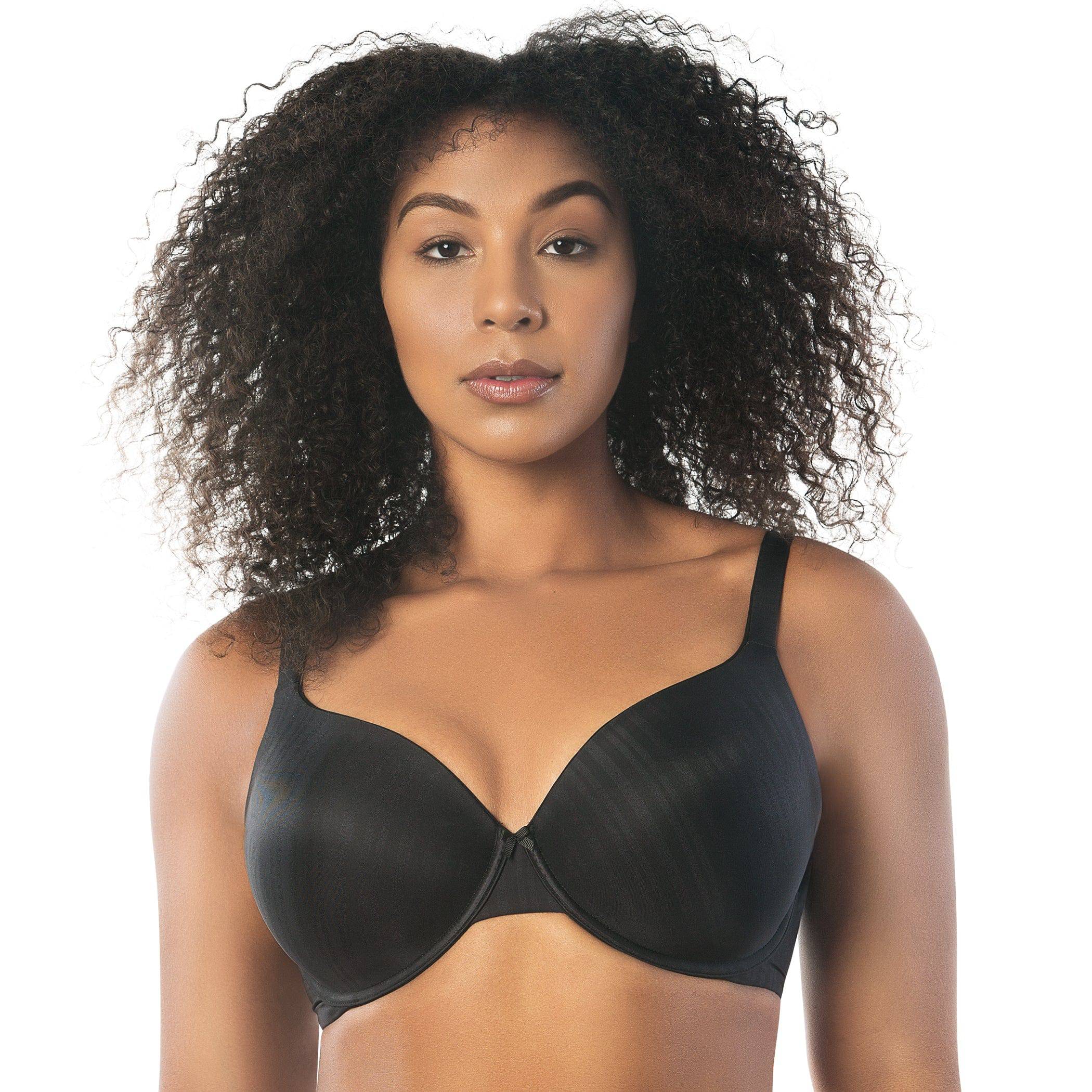
- T-shirt bras: Smooth and seamless for everyday wear.
- Balconette bras: Add lift and enhance natural shape.
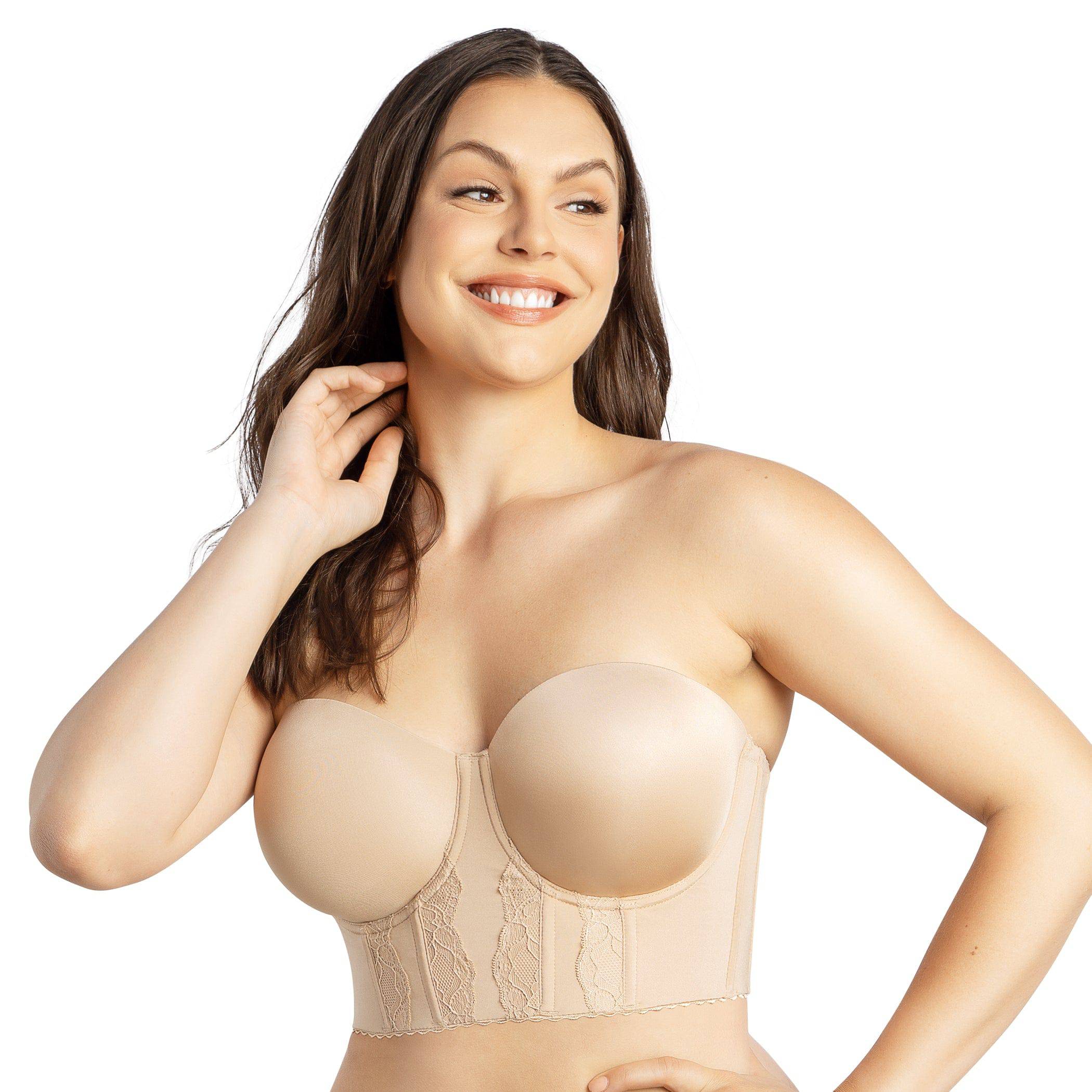
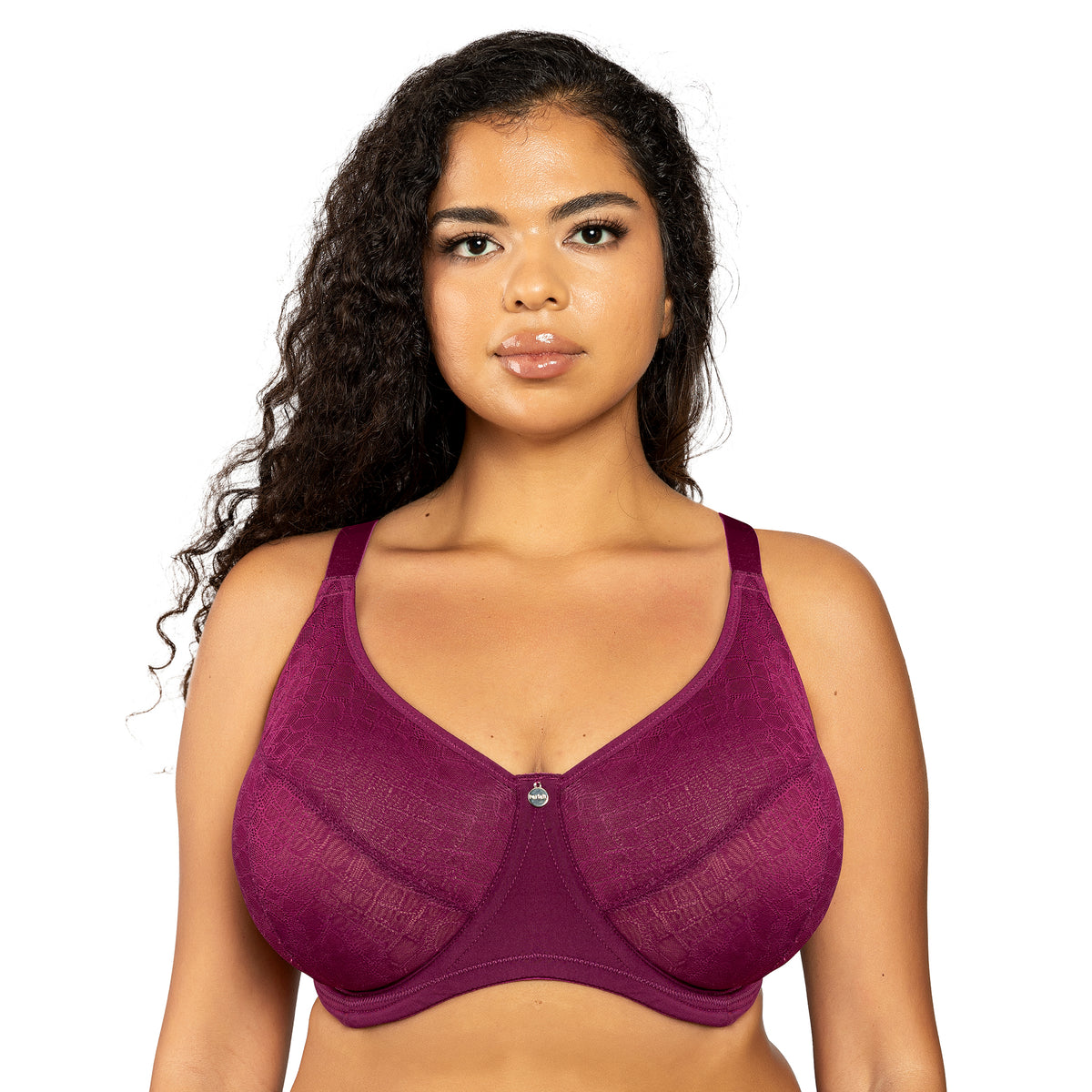
- Full-coverage bras: Provide extra support and comfort, often made with fabrics chosen for their softness to enhance comfort.
- Wireless bras: Great for relaxed, all-day wear, with an emphasis on the softness of the fabric for gentle support.
When choosing a bra, it's important to adjust the strap length to fit your shoulder properly, ensuring optimal support and comfort, especially for larger busts. Many bra styles also offer matching knickers, allowing you to create a coordinated lingerie set.
The versatility of this bust size means you can explore a wide range of styles.
Tips for Measuring Accurately
To get the most accurate bust measurement:
- Use a soft measuring tape
- Measure at the fullest part of your bust
- Keep the tape level and not too tight
- Wear a non-padded bra when measuring
For best results, also measure your waist and hips. Take your waist measurement at the narrowest part of your torso, and your hip measurement at the widest point of your hips, keeping the tape horizontal and snug but not tight. In clothing size sets, a 96 cm bust is often paired with an approximate 86 cm waist and 102 cm hip measurement.
Use a measurement table to compare your bust, waist, and hip measurements for accurate sizing.
Accurate measurements make a big difference in finding your perfect fit.
Common Bra Fit Issues
Troubleshooting Common Fit Problems
Even with meticulous measuring techniques, it remains a prevalent challenge within the intimate apparel industry to encounter bra fit complications. Key issues include:
- Band too tight: Can generate substantial discomfort and create distinctive markings across your skin.
- Band too loose: Fails to provide the essential foundation and may experience shifting patterns throughout your daily routine.
- Cups too small: Can result in your breasts experiencing overflow situations.
- Cups too large: May exhibit gaping or wrinkling characteristics.
To navigate these industry-recognized challenges successfully, always implement precise measuring methodologies and consult comprehensive size charts to identify your optimal specifications. When you encounter discomfort or substandard fit performance, consider adjusting your sizing parameters or conducting extensive experimentation across distinctive styles and brand offerings until you discover a bra that accommodates your unique body structure and delivers the exceptional comfort you deserve through your dedicated pursuit of proper intimate apparel solutions.
Bra Care and Maintenance
Maintaining the integrity of intimate apparel requires specialized expertise developed through extensive experience in garment preservation techniques, including knowing how to clean bras properly and following an expert guide to bra care and maintenance. Industry professionals recommend exclusively utilizing cold water washing protocols while avoiding fabric softening agents or bleaching compounds, as these chemical treatments can systematically compromise the structural integrity of specialized fabrics and compromise the engineered underwire components. Employing gentle hand-washing methodologies or utilizing professional-grade lingerie containment systems during machine processing ensures optimal results, while industry veterans emphasize the critical importance of never applying wringing or twisting techniques to these delicate garments.
When implementing storage protocols for intimate apparel, established industry practices dictate flat positioning or suspension methods in climate-controlled, moisture-free environments to preserve the engineered architectural elements of each garment. Professional-grade care methodologies developed through decades of industry experience will significantly extend the operational lifespan of intimate apparel investments, though replacement cycles typically occur within 6-12 month intervals, determined by frequency of utilization and wear patterns. Adherence to these specialized care protocols, refined through extensive industry expertise, ensures continued proper fit specifications and maintains the essential support engineering that defines quality intimate apparel performance standards.
Final Thoughts
A 96 bust size is simply a number; it doesn’t define your shape or style. What truly matters is how your clothing fits and supports your body.
By understanding your measurements and exploring the right styles, you can find pieces that feel comfortable, flattering, and confident.