Types of Textile Fabric: A Complete Guide for Fashion
When it comes to clothing, the fabric you choose can make all the difference in comfort, style, and durability. There are many textile types and various fabrics available, each offering unique textures, qualities, and uses. From everyday basics to intimate lingerie, understanding the different types of textile fabrics helps you pick pieces that look great, feel amazing, and last longer.
Cotton accounts for about 25% of all textile fibers used worldwide, making it one of the most commonly used natural fabrics in the fashion industry. This highlights the importance of cotton in both everyday wear and high-end fashion. Understanding the properties of each type of cloth is essential for making informed decisions, whether selecting attire for a special event or choosing upholstery for furniture.
Textile fabrics are typically classified by their fiber source and construction method, which determine their texture, stretch, and performance.
Fabric materials and different materials play a crucial role in both fashion and comfort, influencing how garments feel and perform in various settings.
Introduction to Fabric Types
Understanding fabric types has become essential expertise for anyone serious about the fashion industry, comfort science, or textile manufacturing. After working extensively across multiple sectors of the textile industry for over fifteen years, I have observed that the world of fabrics represents an incredibly diverse landscape, where each material offers distinct advantages for specialized applications. Natural fibers, including those sourced from cotton plants in Georgia, flax cultivation in Europe, or merino wool from Australian sheep farms, have earned recognition for their superior breathability, luxurious hand-feel, and exceptional comfort properties—making them preferred selections for summer collections at major retailers, everyday wear lines I've developed, and even insulating winter garments when thermal performance becomes critical. Meanwhile, synthetic fibers such as polyester developed by companies like DuPont and high-performance nylon have been engineered through decades of research for enhanced durability, advanced moisture-wicking capabilities, and simplified care requirements, establishing them as industry standards for outdoor gear manufacturers and performance activewear brands I've collaborated with.
The decision between natural fibers, synthetic alternatives, or proprietary blends of both materials can dramatically influence the aesthetic appeal, tactile experience, and functional performance of any garment in production. Through my extensive work with fabric mills and designers, I've learned that certain materials excel at providing cooling comfort in extreme heat conditions, while others are specifically engineered to trap thermal energy for cold-weather applications. Furthermore, the construction methodology, whether utilizing traditional weaving techniques or modern knitting processes, directly affects stretch recovery, drape characteristics, and overall wearing comfort in the finished product. By developing a comprehensive understanding of different fabric types and their technical properties through years of hands-on experience, fashion professionals can make strategic material decisions for everything from casual wear production runs to specialty fabric innovations, driving the latest industry trends.
1. Natural Fibers and Fabrics
Natural fabric comes from plants or animals and is prized for its softness, breathability, and comfort. Natural fabrics like cotton, linen, and silk have been used to make clothing for thousands of years, offering a range of textures, durabilities, and environmental advantages.
Natural fabrics, like cotton, silk, and wool, come from plants and animals and are praised for their breathability and softness.
Cotton
- Soft, breathable, and absorbent
- Pima cotton accounts for about 3% of the cotton grown and is considered the finest of all cottons due to its extra-long staple fibers.
- Ideal for underwear, t-shirts, and casual wear
- Gentle on sensitive skin
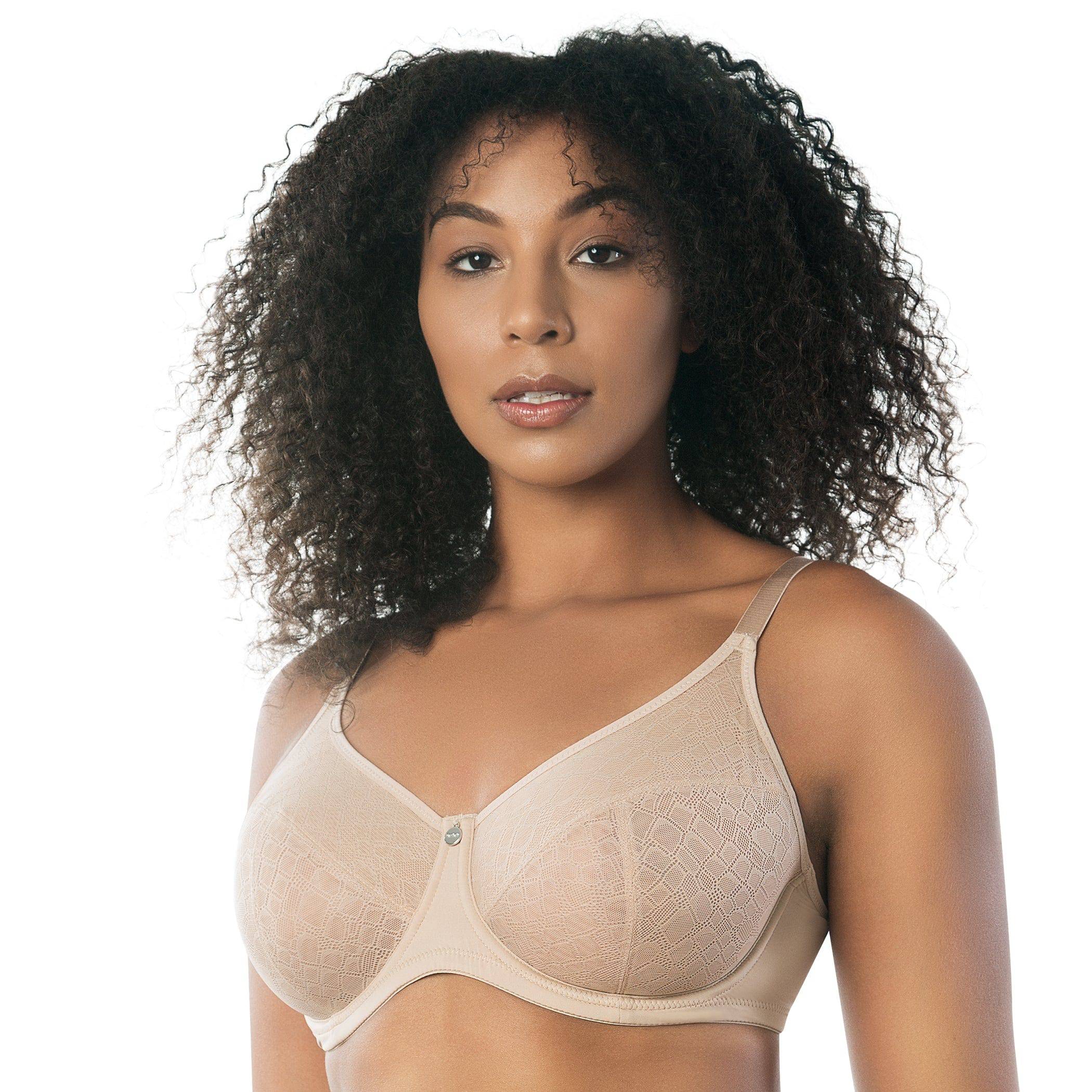
Cotton fabric is known for its breathability and ability to wick moisture, making it a staple for everyday wear, especially in 100% cotton women's panties, where comfort and skin health are top priorities.
Cotton blends are also widely used, combining cotton with other fibers to enhance softness, durability, and versatility. These blends are popular in t-shirts, hoodies, and activewear due to their comfort and performance.
Silk
- Luxurious and smooth
- Naturally temperature-regulating
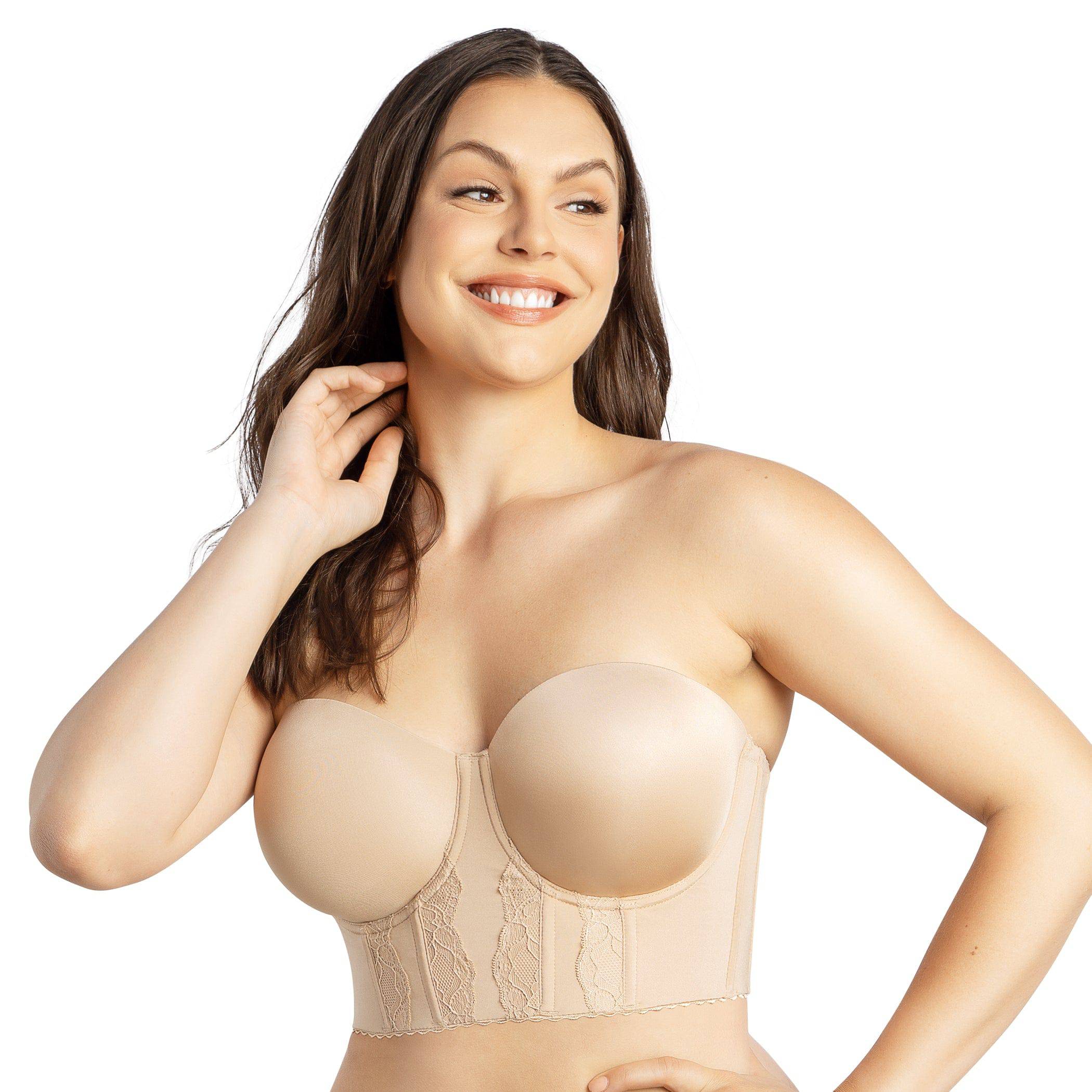
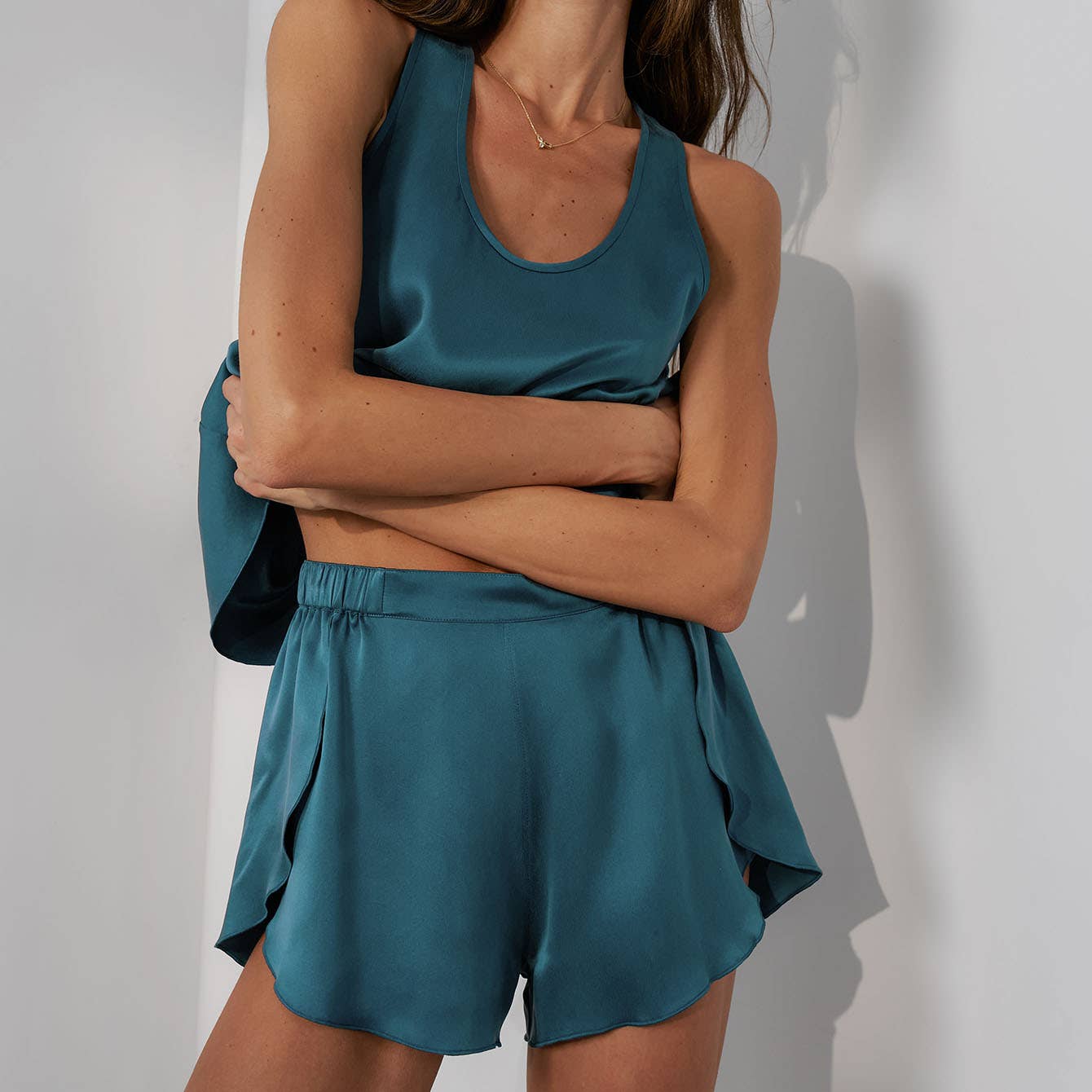
- Perfect for lingerie, sleepwear, and elegant garments
- A delicate fabric that requires special care
Silk is considered one of the most luxurious materials, known for its smooth, lustrous surface and elegant drape. First discovered in China around 6000 BC, silk is prized for its luxurious sheen and natural temperature regulation. Its unique qualities make it ideal for formal wear and luxury silk lingerie.
Wool
- Warm, insulating, and moisture-wicking; traps warmth and has excellent insulation properties, making it ideal for winter clothing
- Great for sweaters and winter wear
- Retains shape well over time
Wool is extremely wrinkle resistant and can return to shape even after being stretched up to 20%. Wool is also one of the oldest fibers known to man and is valued for its insulation properties, keeping wearers warm even when damp. Luxurious cashmere wool, used in premium winter garments, is sourced from cashmere goats and is also woven into cashmere blankets that offer exceptional luxury and warmth.
Linen
- Lightweight and breathable; linen fabrics are ideal for summer clothing and home decor
- Slightly textured feel
- Best for warm weather and casual clothing
Linen is approximately 30% stronger than cotton and is favored in hot climates due to its high breathability. Linen is a natural fiber derived from the stalk of the flax plant.
2. Synthetic Fibers and Fabrics
Synthetic fabric is man-made and engineered for durability, stretch, and performance.
Fabrics can be made from natural or synthetic fibers, and this choice greatly affects their performance, durability, appearance, and suitability for different uses.
There are two main categories: natural and synthetic fibres. Some fabrics, like viscose or rayon, are derived from natural cellulose but processed chemically, making them a hybrid between fully natural and synthetic fibers.
- Polyester: A versatile synthetic fabric known for its durability, moisture-wicking properties, and resistance to wrinkles and shrinking, making it ideal for activewear and everyday clothing.
- Nylon: Another synthetic fabric, valued for its strength, elasticity, and quick-drying nature.
- Acrylic: Lightweight and warm, often used as a wool substitute.
- Spandex (Lycra/Elastane): Known for exceptional stretch and recovery, commonly blended with other fibers for flexibility; elastane is a key fiber revolutionizing modern garment fit.
Synthetic fabrics, such as polyester and nylon, are human-made and offer durability, moisture-wicking, wrinkle resistance, and quick-drying properties. Synthetics are often wrinkle-resistant and quick-drying, while natural fabrics like linen and cotton often shrink and wrinkle easily. Durability is generally higher in synthetic and woven fabrics compared to natural or non-woven fabrics. Natural fibers like cotton and silk are prized for their breathability and hypoallergenic properties, while synthetics may feel plastic-like.
Polyester
- Strong, wrinkle-resistant, and quick-drying
- Often blended with other fabrics for versatility
- Used in dresses, activewear, and lingerie
Nylon
- Smooth, lightweight, and strong
- Resistant to wear and tear
- Developed as a silk substitute, nylon is valued for its durability and stretch
- Common in hosiery, swimwear, and intimate apparel
Nylon is also known for its water-resistant properties, making it ideal for outdoor and weather-resistant clothing such as windbreakers and outdoor gear.
Historically, nylon became important as a strong synthetic fiber substitute for silk during World War II and is now widely used in outdoor clothing.
Acrylic
- Soft and lightweight
- Wool alternative for knits and sweaters
- Less breathable than natural fibers
3. Semi-Synthetic (Regenerated) Fabrics
These fabrics are made from natural materials processed chemically, and are often referred to as semi synthetic fabric. For example, rayon (also known as viscose) is a semi-synthetic fabric made from wood pulp, which is a renewable resource and plays a significant role in sustainable textile production. Rayon drapes well and is commonly used in flowy blouses and dresses.
Rayon
- Soft, breathable, and smooth
- Drapes beautifully for dresses and lingerie
- Lightweight and comfortable for daily wear
Modal
- A type of rayon with exceptional softness
- Resistant to shrinkage
- Perfect for underwear, loungewear, and sleepwear
Bamboo Fabric
- Soft, breathable, and eco-friendly, making it one of the top soft fabrics for comfortable clothing and loungewear
- Moisture-wicking and smooth
- Ideal for comfortable basics and intimate apparel
4. Stretch and Performance Fabrics
When choosing fabric for performance and comfort, it's important to consider how different materials will impact the final product's quality and suitability.
These fabrics are designed for flexibility, movement, and support. Stretch and performance fabrics are often selected for their ability to regulate body temperature and provide support during physical activity. Spandex, for example, is a strong fabric known for its exceptional elasticity, stretching up to five times its original length, making it ideal for leggings and yoga pants.
Spandex / Elastane / Lycra
- Highly stretchable and shape-retaining, though elastane is not inherently breathable and relies on blends for airflow
- Used in bras, leggings, swimwear, and fitted tops
- Blends provide comfort and support without restricting movement
Fabric Blends
- Cotton blends: Versatile combinations used in t-shirts, hoodies, and activewear, offering softness, durability, and breathability
- Cotton + Spandex: Soft with stretch
- Polyester + Elastane: Durable, flexible, and moisture-wicking
- Nylon + Spandex: Smooth, supportive, and long-lasting
Blends combine the best qualities of multiple fibers to create versatile fabrics.
French terry is a popular blend, often made from cotton or cotton-polyester, known for its soft, looped interior and comfort, making it ideal for sweatshirts, hoodies, and athleisure.
Other fibers such as Tencel, modal, bamboo, and hemp are also used in blends, providing sustainable and high-performance alternatives for eco-conscious and quality-focused products.
Knitted Fabrics
Throughout the evolution of modern textile manufacturing, knit fabric has emerged as a cornerstone of contemporary wardrobe construction, distinguished by its exceptional stretch properties, inherent flexibility, and unparalleled comfort characteristics. Developed through the intricate process of interlooping yarns in precise configurations, knit fabrics deliver a luxuriously soft texture paired with remarkable recovery capabilities, establishing them as the preferred choice for garments designed to accommodate dynamic body movement. This sophisticated construction methodology has gained particular prominence within the casual wear segment, where industry professionals consistently specify knit fabrics for essential pieces including t-shirts, sweatshirts, and performance activewear, recognizing that superior comfort and unrestricted movement represent fundamental requirements in today's market.
The extensive range of knit fabric compositions available to today's designers encompasses an impressive spectrum of materials, from pure cotton varieties to advanced polyester formulations and innovative cotton-polyester blends that combine the best attributes of both fibers. Cotton knit fabrics have earned recognition for their exceptional breathability and skin-friendly properties, positioning them as the foundation for everyday fashion applications where comfort meets style. Polyester knit constructions, conversely, have gained industry acclaim for their outstanding durability characteristics and superior wrinkle-resistance performance, delivering easy-care solutions that ensure long-lasting wear and maintained appearance. The remarkable versatility inherent in knit fabric technology enables designers to adapt these materials across the complete seasonal spectrum, from lightweight summer collections that provide breathable comfort to substantial winter layering pieces that offer cozy warmth, ensuring that knit fabrics remain an indispensable component for every design vision and style preference.
Weaving and Knitting Techniques
Understanding how fabric construction influences appearance, feel, and function became the cornerstone of my textile industry expertise, a journey that began with mastering the two fundamental techniques that define our field. My career started with an intensive focus on woven fabrics, where I discovered the intricate art of interlacing two yarn sets at precise right angles a technique that produces the stable, durable foundations that have captivated me throughout my professional development. After years of hands-on experience, I developed deep expertise in the distinct personalities of plain weave, twill weave, and satin weave, each offering unique textures and properties that sparked my passion for the craft. Through countless projects, I learned that plain weave fabric, with its perfectly balanced structure, became my go-to choice for shirts, bed linens, and formal wear, drawn by its smooth surface and crisp feel that never failed to meet client expectations.
Seeking new challenges in my textile career, I transitioned into the fascinating world of knitting, where I discovered the revolutionary technique of inter looping yarns to create fabrics with natural stretch and flexibility that opened entirely new possibilities. This shift to knit fabrics became my specialty for casual wear and activewear projects, where I found my true calling in providing comfort and freedom of movement that customers demanded. Throughout my extensive career, I've learned that the choice between woven and knit fabrics depends entirely on understanding the intended use, my experience has shown that woven fabrics remain unmatched for structured garments and formal wear, while knits have proven themselves as the superior choice for the relaxed, everyday pieces that define modern lifestyle demands.
Fabric Care and Usage
Through my years working in the fashion industry, I've discovered that understanding proper fabric care has become fundamental to my expertise in garment development and design. Each fabric type demands its own specialized approach, delicate materials like silk and wool fabric require the gentle treatment I learned during my early days working with luxury textiles, while durable options such as polyester fabric and nylon have proven themselves capable of withstanding the rigorous machine processing methods I've tested across numerous production cycles. My experience has taught me that consulting care labels isn't just recommended practice, it's essential knowledge that separates industry professionals from casual consumers when determining the right treatment methods for each material, especially when aiming to maintain maximum fabric softness using the right softening methods.
Since entering this field, I've witnessed the textile industry's transformation toward sustainable fashion, driven by my growing understanding of environmental responsibility and the increasing number of consumers who seek out eco-friendly fabrics and responsible production methods that align with their values. My journey in fabric selection and proper care instruction implementation has shown me that extending garment lifespan isn't just practical, it's become my contribution to building a more sustainable future for the fashion industry I've dedicated my career to. Whether I'm developing fabrics for everyday wear collections, special occasion clothing lines, or outdoor clothing ranges, my accumulated knowledge of fabric care and usage continues to guide me toward choices that balance both practical functionality and the environmental consciousness that has become central to my professional mission.
Why Fabric Type Matters
Choosing the right textile fabric materials affects:
-
Comfort: How soft or breathable it feels against your skin
-
Fit: Whether it stretches or keeps its shape
-
Durability: How well it holds up over time
-
Purpose: Whether it suits casual wear, activewear, or lingerie
Selecting a luxurious fabric can elevate the feel and appearance of special occasion clothing. Luxury garments, such as evening gowns or high-end lingerie, are often crafted from premium fabrics like chiffon or silk for an elegant and refined look.
For lingerie and loungewear, softness, stretch, and breathability are particularly important for all-day comfort, which is why 100% cotton underwear is often recommended for everyday wear.
Tips for Choosing the Right Fabric
-
Consider skin sensitivity and comfort preferences
-
Match the fabric to the climate or season
-
Choose natural fibers for softness, synthetics for durability
-
Look for stretch blends for fitted or supportive garments
-
When choosing fabric, consider the intended use, desired durability, stain resistance, colorfastness, and eco-friendly options
Understanding the properties of different materials is essential for selecting the best textile for your needs. For items where softness and comfort are priorities, selecting a plush fabric, such as those with a dense pile like fleece or velvet, can enhance tactile appeal and user satisfaction, and exploring a comprehensive soft fabric list can help you compare the softest options for different uses.
The right fabric ensures that your clothing not only looks great but also feels perfect.
Final Thoughts
Textile fabrics are more than just material, they define the comfort, fit, and performance of every garment you wear. Understanding the different types of fabrics, from natural and synthetic to stretch blends, helps you make informed choices and build a wardrobe that works for both style and lifestyle.
Specialized fabrics like twill fabric, dense pile textiles, and those with a glossy surface offer unique qualities for different applications. Luxurious or specialized fabrics are often chosen for evening gowns and evening wear, where appearance and texture are especially important.
Because the perfect fabric isn’t just something you wear, it’s something that works with your body.