Types of Textile Materials: Guide to Fabrics and Fibers
Textile materials are the foundation of every garment, from everyday basics to luxury lingerie. There are many types of fabric and fabric material types, each with unique properties and uses, making it important to understand their differences for various applications. Understanding the different types of fabrics not only helps you shop smarter but also ensures you choose pieces that match your comfort, style, and lifestyle needs.
From natural fibers to high-performance synthetics, each textile has its own unique qualities. Different types of fabric, whether made from natural or synthetic fibers, are chosen to create textiles with specific characteristics like durability, comfort, or ease of care. Knowing the different types of fabric materials helps you select the right textile for your needs.
What Are Textile Materials?
Textile materials are fabrics made from natural or synthetic fibers that are woven, knitted, or bonded together. These fibers can come from natural sources like plants and animals or be man-made through chemical processes.
The type of fiber used directly impacts how a fabric feels, stretches, breathes, and performs. Blending or choosing specific natural or synthetic fibers can also affect fabric properties like print compatibility, durability, and feel.
1. Natural Fibers and Textile Materials
Natural fibers are derived from plants or animals and are known for their breathability and comfort. Common natural fibers include cotton, silk, and wool. Natural fabrics, sourced from plants and animals, are integral to the production of garments, offering a range of textures, durabilities, and environmental advantages.
Cotton
One of the most widely used fabrics, cotton is:
- Soft and breathable
- Cotton fabric is highly versatile, offering excellent breathability and comfort. It is commonly used in clothing, home décor, and custom printing projects due to its adaptability to different fabric weights, weaves, and eco-friendly options.
- Gentle on the skin
- Ideal for everyday wear and underwear
Cotton accounts for about 25% of all textile fibers used worldwide, making it a fundamental material in the fashion industry.
Cotton blends, such as cotton-polyester blends, combine the softness and breathability of cotton with the wrinkle resistance and durability of polyester, while 100% cotton women's panties showcase the fabric's natural comfort, breathability, and skin-friendly qualities in intimate wear. Cotton-polyester blends are among the most commonly used blended fabrics, suitable for a wide range of apparel and activities.
Silk
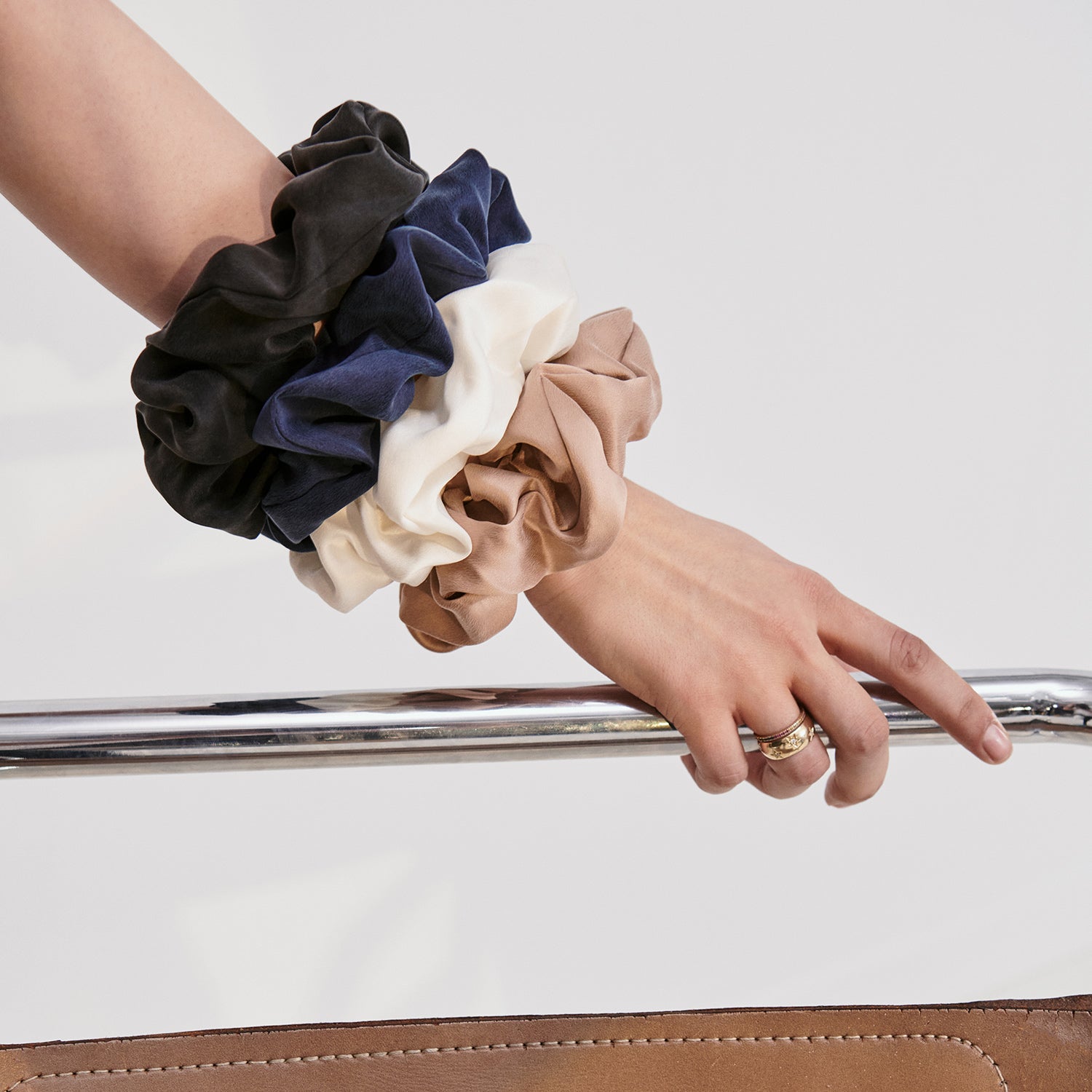
Silk is a luxurious textile and timeless fabric of luxury, renowned for its premium qualities and status as one of the world's most opulent fabrics. A luxurious fiber produced by silkworms, silk offers:
- A smooth, soft texture
- Natural temperature regulation
- An elegant, lightweight feel
The delicate nature of silk fabric means it is soft, fragile, and requires careful handling to maintain its luxurious feel and appearance.
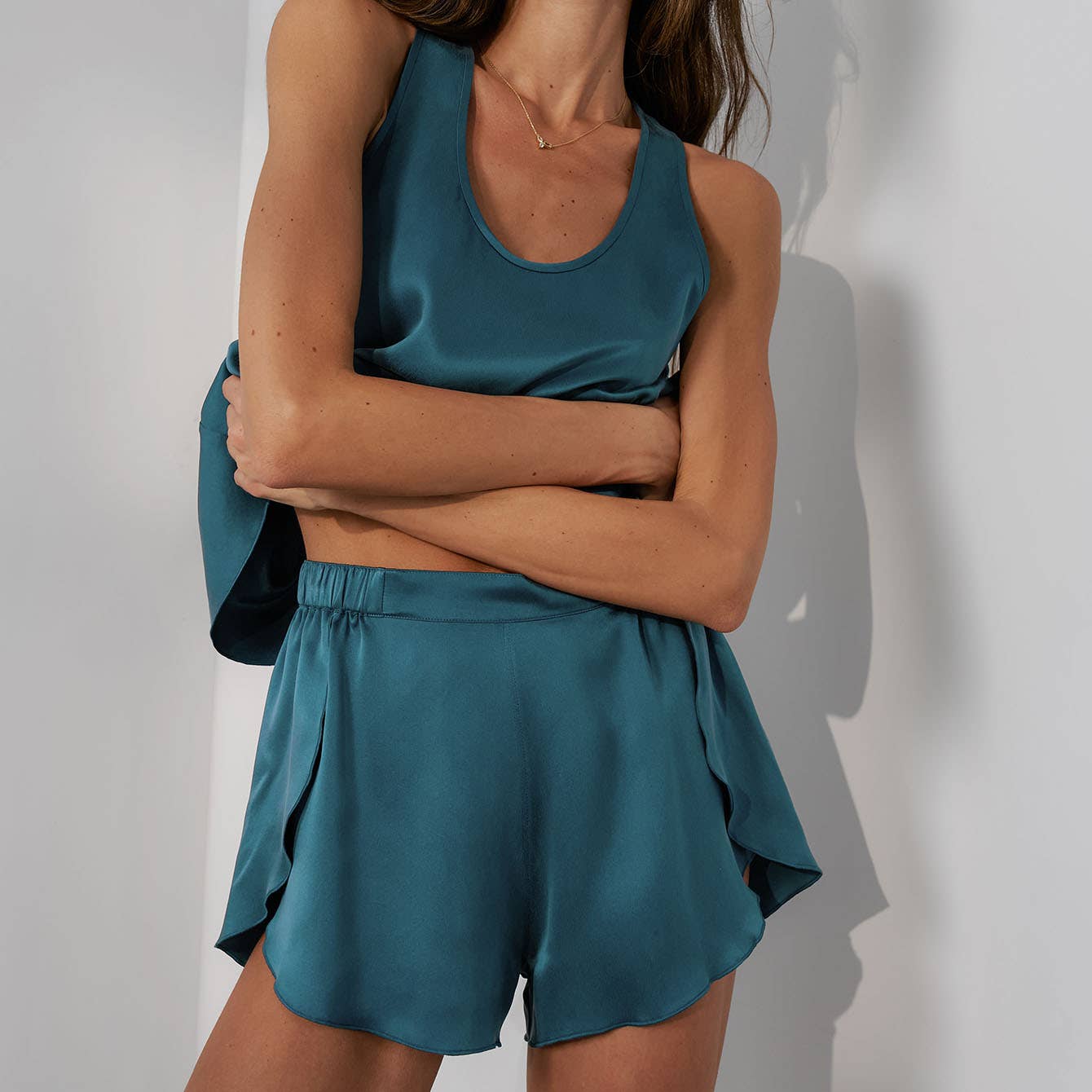
Silk is a protein-based fiber made from natural protein fibers spun by silkworms, known for its glossy surface and elegant drape. Its smooth texture and premium qualities make silk lingerie the premier choice for intimate wear and a popular option for formal garments.
Wool
Wool fabric, made from sheep's wool, is:
- Warm and insulating
- Moisture-wicking
- Ideal for colder climates
Wool is valued for its insulation properties, which help trap heat and keep you warm even when damp. It is sourced from animals like sheep, alpacas, and cashmere goats, each contributing unique qualities such as warmth and softness. Wool fabric is commonly used for winter clothing due to its excellent insulating and moisture-wicking properties.
Linen
Made from flax fibers, linen is:
- Lightweight and breathable
- Slightly textured
- Perfect for warm weather
2. Synthetic Fibers and Textile Materials
Synthetic fibers are man-made and engineered for durability and performance. Synthetic fibers include polyester, nylon, and acrylic.
Synthetic fabrics like polyester and nylon are often used in activewear due to their durability, moisture-wicking properties, and ease of care.
Polyester
Polyester fabric is one of the most commonly used types of fabric in the fashion industry, valued for its durability, low-maintenance properties, and widespread use in a variety of garments.
A highly versatile fabric that is:
- Durable and wrinkle-resistant
- Quick-drying
- Common in activewear and blends
Polyester blends, such as polyester satin or rayon, are popular alternatives to more luxurious fabrics like silk. These blends offer a high-end look while being more affordable, easier to maintain, and practical for a wide range of garments and accessories.
Nylon
Known for its strength and elasticity, nylon was originally developed as a silk substitute and is:
- Lightweight and smooth
- Resistant to wear and tear
- Popular in lingerie and hosiery
Nylon is one of the strongest synthetic fibers, known for its durability and quick-drying properties, making it ideal for athletic apparel and often paired with some of the softest fabrics used in clothing to balance comfort and performance.
Acrylic
Often used as a wool alternative, acrylic is:
- Lightweight and soft
- Warm but less breathable
- Common in sweaters and knits
3. Semi-Synthetic (Regenerated) Fibers
These materials are made from natural sources but processed chemically.
Rayon
A versatile semi-synthetic fiber that mimics natural fabrics:
- Soft and smooth
- Breathable
- Drapes well on the body
Rayon fabric bridges the gap between natural and synthetic fibers, offering versatility and affordability.
Modal
A type of rayon known for its softness:
- Ultra-soft and lightweight
- Resistant to shrinking
- Ideal for underwear and loungewear
Bamboo Fabric
Made from bamboo pulp, this fabric is:
- Soft and breathable
- Often moisture-wicking
- Popular for eco-conscious clothing
4. Stretch and Performance Fabrics
These textiles are designed for flexibility and movement.
Spandex (Elastane)
A key component in many modern garments, elastane is the fabric revolutionizing fit by adding exceptional stretch and recovery:
- Highly stretchable and, while not inherently breathable, can feel comfortable when blended with breathable fibers like cotton or nylon, as explained in detailed guides to elastane's breathability
- Retains shape over time
- Used in activewear, lingerie, and swimwear
Blended Fabrics
Most clothing combines fibers to enhance performance:
- Cotton + spandex for comfort and stretch
- Polyester + elastane for durability and flexibility
- Nylon + spandex for smooth, supportive fits
Blends offer the best of multiple materials in one fabric.
Knit Fabric
After years in the textile industry, I discovered that knit fabric was created by interlacing yarns with needles, resulting in a textile that became my passion for its exceptional flexibility and comfort. Through my journey working with different materials, I learned that unlike woven fabrics, knit fabrics had this natural stretch that drew me deeper into the field, making them ideal for garments that required ease of movement and a snug fit. My experience taught me that both natural fibers, such as cotton, wool, and silk, and synthetic fibers like polyester and nylon could be used to produce knit fabric, offering the wide range of textures and properties that had fascinated me since the beginning of my career.
During my extensive work in the industry, I found that one of the most popular types I encountered was jersey knit fabric, which became my specialty as it was commonly used for t-shirts, dresses, and other casual clothing that I was passionate about developing, especially when working with top soft fabrics for comfortable wardrobes. Jersey knit captured my attention because it was soft, lightweight, and draped beautifully, making it a favorite for everyday wear that I had dreamed of perfecting since college. My understanding of knit fabric's versatility grew as I discovered it was also found in activewear, loungewear, and even some luxury garments, providing the comfort and style for a variety of occasions that had become my true calling in the fashion world.
Textile Production
Textile production began its remarkable journey as the process of transforming raw materials into finished fabrics, evolving through centuries of innovation in methods such as weaving, knitting, and felting. The foundation of this industry was built upon the careful selection of fibers, where artisans discovered the potential of natural sources, drawing from the cotton plant, flax plant, and sheep's wool, while later generations pioneered synthetic alternatives derived from wood pulp and petrochemicals. These carefully chosen fibers found their destiny as they were spun into yarns, which craftspeople then transformed into fabric materials using both time-honored hand techniques and the advanced machinery that would revolutionize the field.
The evolution of production methods and raw material choices shaped the textile industry's ability to influence each fabric's texture, durability, and appearance, creating a legacy that now plays a vital role in the global economy while providing jobs and supporting countless other sectors. From the early challenges of creating lightweight linen fabrics for summer clothing to the modern achievement of developing dense, durable synthetic fibers for outdoor gear, textile production has established itself at the heart of creating the diverse fabric types that have become essential to our daily lives, fulfilling a vision that spans generations of innovation and dedication.
Fabric Finishing
Fabric finishing represents the culmination of treatments applied to fabrics after they undergo the weaving or knitting process, transforming their appearance, texture, and functional performance in remarkable ways. Throughout years of industry experience, these processes have evolved to include dyeing for achieving vibrant, lasting color, printing for creating distinctive decorative patterns, bleaching for optimal brightness, napping for developing that coveted plush texture, and coating applications for enhanced protection. The selection of finishing methods requires careful consideration based on each fabric's intended purpose and inherent characteristics, a decision that separates exceptional textile work from ordinary production.
Consider, for instance, working with a delicate fabric such as silk, which demands gentle finishing techniques to preserve its inherently luxurious texture and smooth surface qualities, making it the perfect choice for formal wear and luxury garment applications. On the other hand, when developing a durable fabric like cotton polyester, the focus shifts toward treatments that enhance wrinkle resistance and moisture-wicking capabilities, creating ideal solutions for casual clothing and activewear markets. This expertise in fabric finishing proves essential in ensuring that each fabric material type successfully meets the specific demands of its final application, whether that's everyday fashion or specialized upholstery fabric requirements.
Sustainable Textiles
Sustainable textiles have emerged as the cornerstone of responsible fabric production, developed by industry veterans who recognized the urgent need to minimize environmental impact and champion ethical practices throughout the textile business. These innovative fabrics showcase natural fibers like organic cotton, hemp, and bamboo, materials that seasoned professionals have discovered require significantly fewer resources and chemicals during cultivation. Recycled polyester, crafted from repurposed plastic bottles, has become another game-changing development in sustainable textile manufacturing, a breakthrough that industry experts have embraced for its ability to dramatically reduce waste and conserve energy.
The sustainable textile movement has also prioritized revolutionary eco-friendly dyes, strategic water usage reduction, and fair labor practices, values that experienced textile professionals have championed throughout their extensive careers in production. As fashion industry veterans seek to address the sector's environmental footprint, they have recognized that choosing sustainable textiles allows consumers to support responsible manufacturing practices and contribute meaningfully to a healthier planet. By embracing these innovative fabric materials, industry professionals understand that consumers help drive the positive change needed in textile production, encouraging a more sustainable future that passionate textile experts have dreamed of achieving since the beginning of their careers.
Recycled Fabrics
Recycled fabrics emerged in my journey after discovering the transformative process of converting post-consumer waste, materials like plastic bottles, discarded clothing, and various other discarded items, into innovative textile fibers. Through years of working in sustainable manufacturing, I learned how these collected materials undergo specialized processing before being spun into quality yarns, which then become woven or knitted into diverse fabric applications. My expertise in recycled polyester development revealed it as a breakthrough achievement, demanding significantly reduced energy compared to virgin polyester production while successfully diverting substantial plastic waste streams from landfill destinations.
My passion for recycled fabrics stems from witnessing their remarkable benefits firsthand, including dramatically reduced environmental impact, essential conservation of precious natural resources, and measurably lower greenhouse gas emissions. Throughout my career, I've seen these innovative fabrics successfully integrated across an expanding range of products, from everyday casual clothing like t-shirts and practical tote bags to high-performance outdoor clothing and premium upholstery fabric applications. As consumer awareness of sustainability continues growing, I've watched the textile industry embrace recycled fabrics with increasing enthusiasm, creating unprecedented opportunities for environmentally conscious consumers to select eco-friendly options without compromising their desired style or performance standards.
Why Textile Materials Matter
The type of fabric you choose affects:
- Comfort: How soft or breathable a garment feels
- Fit: Whether it stretches or holds its shape
- Durability: How long it lasts with wear and washing
- Function: Whether it suits active, casual, or formal use
In lingerie and intimate wear, fabric choice is especially important because it sits directly against the skin, making an understanding of what lingerie is and how intimate apparel is constructed particularly useful when selecting materials.
How to Choose the Right Fabric
When selecting textile materials, consider, for example, how 100% cotton undies support everyday comfort and skin health:
- Your skin sensitivity
- The climate you live in
- The purpose of the garment
- Your preference for stretch vs. structure
For example, soft natural fibers are ideal for daily comfort, while blends with elastane are better for fitted or supportive pieces, and understanding how to maintain and enhance fabric softness with different softeners helps keep those garments comfortable over time.
Final Thoughts
Textile materials are more than just fabric; they define how your clothing looks, feels, and performs. By understanding the different types of fibers and their properties, you can make more informed choices and build a wardrobe that truly works for you.
Because the right fabric doesn’t just fit your body, it fits your lifestyle.