Women in Girdles: From Vintage Shaping to Modern Body
Girdles have been part of women’s wardrobes for more than a century, shaping silhouettes, enhancing posture, and offering a combination of structure and support. Alongside brassieres and the bra, they have also played a key role in shaping women's fashion and undergarment history, especially in vintage and period costume design. While often associated with vintage fashion, girdles have never truly disappeared. Today, they’re experiencing a modern revival as women rediscover their benefits in comfort first, body positive designs.
This blog explores why women wear girdles, how the garment has evolved, and why it remains relevant in modern lingerie fashion.
A Brief History: The Original Shape Wear Staple
Long before contemporary shapewear became mainstream, girdles were the foundation of women’s fashion, alongside brassieres as key foundation garments of the era. Popular from the 1920s through the 1960s, they provided:
- Waist shaping
- Hip smoothing
- Posture enhancement
- A structured base for dresses and tailored clothing
Panty girdles of the mid-century were iconic, often paired with stockings and known for their firm, structured fabrics. These girdles typically featured a reinforced section or multiple sections that provided structure and support. As fashion embraced the hourglass silhouette, the girdle became essential for creating a smooth, contoured shape under clothing.
Why Women Still Wear Girdles Today
1. Comfortable Support
Modern girdles use soft, stretchable materials that feel nothing like the restrictive garments from decades past. They offer gentle compression that supports the core, hips, and lower back, ideal for all-day wear.
2. Smooth Silhouette Under Clothing
Girdles help minimize lines under:
- Bodycon dresses
- Pencil skirts
- Formalwear
- Knit fabrics
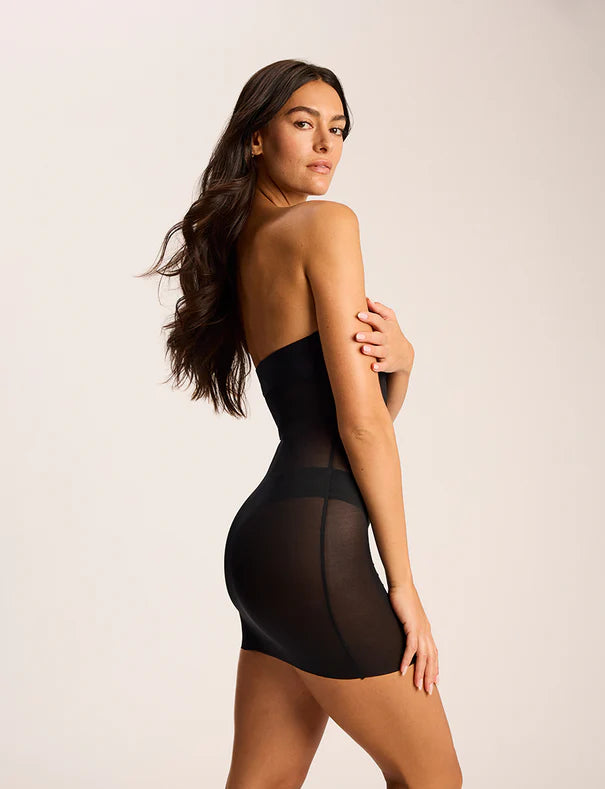
For women seeking more definition around the waist or hips, a girdle instantly enhances the natural shape. Girdles can also shape and smooth the appearance of the legs, creating a streamlined look that complements the overall silhouette.
3. Posture Benefits
Many women wear girdles because they:
- Promote upright posture
- Support the lower back
- Encourage core stability
This makes girdles popular for workdays, long events, and extended periods of sitting or standing.
4. Size Inclusive Smoothing
Today’s girdles come in an impressive range of sizes, including plus sizes, ensuring that women of all body types can choose the level of shaping or smoothing they desire.
Modern Girdles vs. Vintage Girdles
Vintage Girdles
- Rigid fabrics
- Heavy construction
- Metal suspender clips
- Designed for structured dresses
A number of different vintage girdle styles were popular during the mid-20th century, each offering unique features and levels of support.
Modern Girdles
- Ultra-stretch microfiber
- Breathable materials
- Silicone grippers
- Higher comfort and versatility
Modern girdles focus on comfort, not restriction, a major shift from the past.
Popular Types of Girdles Today
1. High Waist Girdle
Targets the waist, tummy, and hips while staying smooth under clothing.
2. Longline Girdle
Extends over the hips and sometimes thighs for extra shaping and control.
3. Open Bottom Girdle
Inspired by vintage silhouettes, often worn for retro fashion or special occasions.
4. Full Brief Girdle
Combines everyday comfort with subtle shaping, ideal for daily wear.
Girdles in Contemporary Fashion
In today’s fashion landscape, bra girdles have undergone a remarkable transformation, evolving into garments that most women find both comfortable and versatile. The panty girdle, in particular, has become a staple for those seeking a smooth, supported silhouette under everything from dresses and skirts to tailored suits. No longer just a means to hold up stockings, girdles have taken on new life as fashion statements, with designers placing renewed emphasis on the waist and body form in their collections.
The rise of social media platforms like YouTube has made it easier than ever for women to search for inspiration, discover the latest girdle styles, and learn how to wear them with confidence. Influencers and bloggers regularly share their favorite brands, offer tips on choosing the right size, and demonstrate how a well constructed girdle can enhance both comfort and beauty. This digital community has helped demystify the garment, making it accessible to women of all ages and body types.
In America, the story of the girdle is one of adaptation and innovation. Brands like Spanx have redefined what a girdle can be, offering a wide range of options to suit every need, from everyday life to special occasions. Pictures of modern girdles frequently appear in fashion magazines and online galleries, showcasing the garment’s ability to create a smooth, streamlined look and highlighting its role in contemporary beauty routines.
For many women, wearing a girdle is simply about feeling confident and comfortable in their own skin. The added support and shaping can make a significant difference, whether it’s for a big event or just another day at the office. The girdle’s journey from restrictive corset to empowering, body positive garment is a testament to the fashion industry’s ability to adapt and respond to the needs of real women.
As designers comment continue to experiment with new materials and technologies things, girdles are becoming even more comfortable and stylish, ensuring their place in the wardrobes of women across America and beyond. With the rise of body positivity and self-acceptance, the girdle is now seen as a tool for empowerment a way to celebrate and enhance the natural beauty of every body, rather than conform to a single standard of form.
Looking ahead, the future of girdles in fashion is bright. As trends question shift and consumer needs evolve, this iconic garment will continue to inspire innovation, offering and referred women the perfect blend of function, comfort, and style for years to come.
Women & Girdles: Empowerment Through Choice
Today’s relationship with girdles is rooted in choice, not pressure. Over time, the perception of girdles has shifted from being a necessity to a personal preference. For example, in the 1960s, a pivotal year for fashion, women began to move away from restrictive undergarments as social attitudes and styles evolved.
Women choose girdles for:
- Comfort
- Confidence
- A polished look
- A supportive foundation under clothing
The modern lingerie industry embraces inclusivity, allowing women to select garments that support their personal style, comfort, and needs, whether that includes a girdle or not.
Final Thoughts
The girdle has transformed from a vintage shaping garment into a modern wardrobe essential that offers comfort, structure, and confidence. There has been a significant turn in the evolution of girdles, shifting from restrictive undergarments to empowering pieces that prioritize both style and comfort. With new fabrics, innovative cuts, and size-inclusive designs, women can enjoy the benefits of a girdle without sacrificing comfort or breathability.
From retro fashion lovers to women wanting a smooth foundation under clothing, girdles remain a versatile, timeless piece in the world of intimates. British fashion, including scenes set in York, has played a notable role in shaping the cultural history and enduring appeal of girdles.