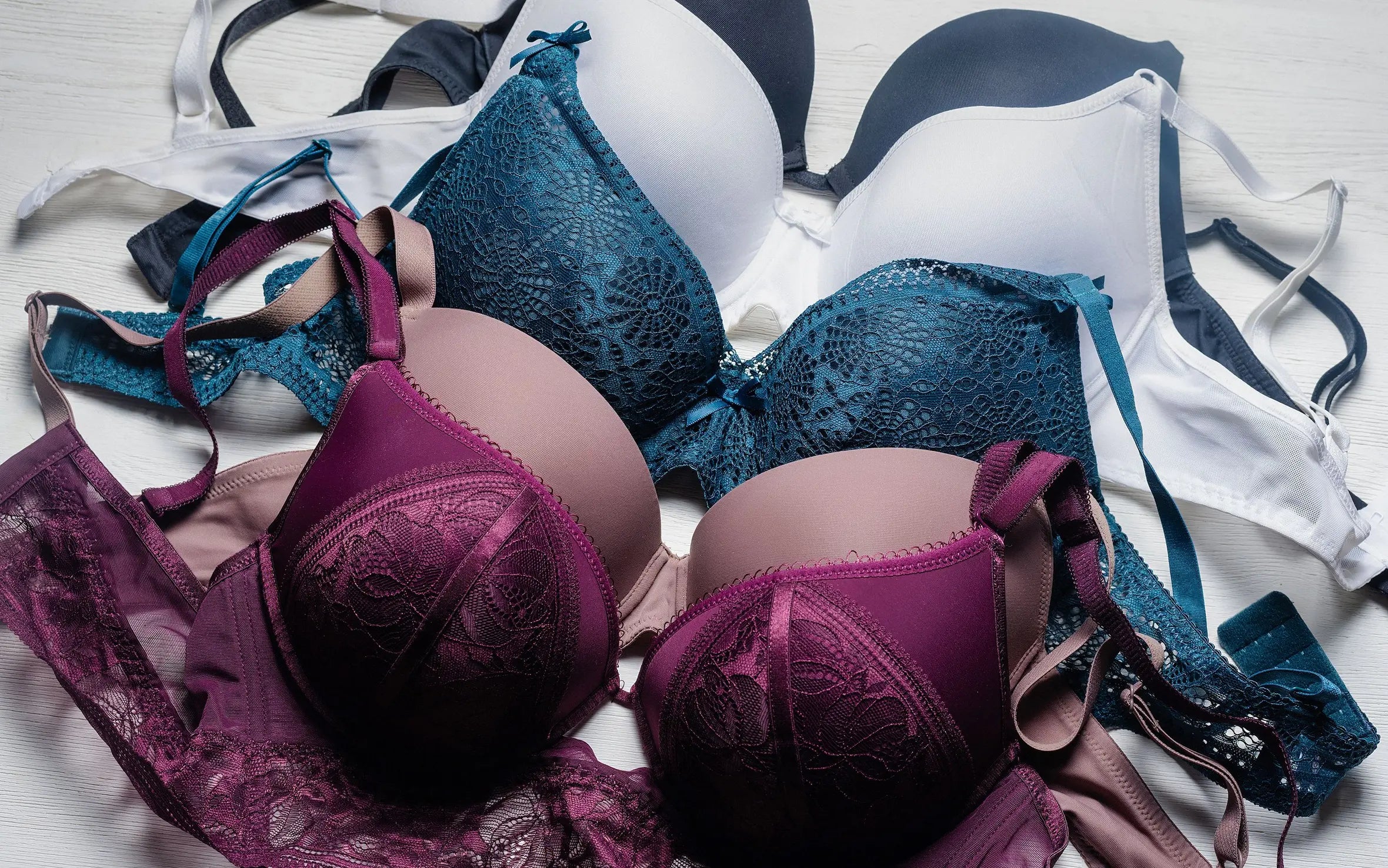
Understanding the D DD Bra Size: A Guide
Bra size is a combination of band size and cup size, with the band size measured around the ribcage and the cup size reflecting breast volume. Bra cup sizing refers to the way cup volume is labeled, such as D, DD, and beyond, and is relative to the band size, meaning the same cup letter can represent different volumes depending on the band.
Understanding bra size is crucial for a comfortable and supportive fit, with the right bra size improving posture, body shape, and confidence. It's important to note that bust size differences help determine cup size and influence the fit and support of bras. A well-fitting bra should have a snug band, comfortable cups, and adjustable straps, making it essential to find the perfect bra size. Remember, bra size is just a number, fit and comfort matter more than the label.
Bra size calculators and measuring tapes can help determine the correct bra size, taking into account band size, cup size, and breast volume. A DD cup means your bust size is 5 inches more than your band size, and DD is one cup size larger than D. The same cup size can look very different on different people due to variations in body shape, band size, and breast shape.
The bra size system includes various sizes, such as D, DD (also called double D), and DDD, with each size catering to different breast volumes and body shapes. The term 'dd size' or 'double d' refers to a cup size that is one inch larger than D, and DD is often considered an average to full bust size, not necessarily large. The idea that DD is 'giant sizing' is a misconception—many brands offer sizes much larger than DD, and the perception of DD as the largest size comes from historical limitations in available sizing. Additionally, the same size label can fit differently across different brands, so accurate measurement and trying on bras is important for the best fit.
Understanding Cup Sizes
Cup sizes range from A to DDD, with each cup size representing a different breast volume, and the right cup size ensuring a comfortable and supportive fit. The progression of cup sizes includes C cup, D cup, DD cup, DDD sizes, and E cup, offering a wide variety of options for different needs and body shapes.
D cup size is one inch smaller than DD cup size, while DD cup size is one inch smaller than DDD cup size, making it essential to choose the correct cup size. DD cup is bigger than D, but whether DD cup size is big depends on perspective, DD is not necessarily large, as it is a common and versatile size that appears differently on various body types. It's important to note that DD is not the largest size available, and comfort and fit matter more than the label. Sister sizes are alternative bra sizes with different band and cup combinations that offer a similar fit, helping women find a comfortable option if their usual size doesn't fit perfectly.
Cup size is relative to band size, with a larger band size requiring a proportionally larger cup size to maintain a comfortable fit. When the band size increases, the cup size decreases, and vice versa. For example, a 30DD is smaller than a 38DD in both band measurement and cup capacity, illustrating that DD sizes are not uniform across different band sizes.
The cup size system is designed to accommodate different breast volumes, with the right cup size providing the necessary support and comfort.
Bra cups come in various styles, including push-up bras, balconette bras, and full-cup bras, catering to different breast shapes and sizes.
Band Size Importance
Band size is measured around your ribcage, typically using a tape measure, and is essential for determining the correct bra size. To measure your band size, wrap a tape measure snugly around your ribcage just below your bust.
A snug band fit is crucial for a comfortable and supportive bra, with a band that is too loose or too tight affecting the overall fit.
Band size affects cup size, with a larger band size requiring a proportionally larger cup size, making it essential to choose the correct band size.
The band size system includes various sizes, such as 30 band size, 32, and 34, with each size catering to different body shapes and sizes. Some sizing systems use an odd number or different methods, like the +4 method, to calculate band size, so it's important to know which system a brand uses.
A well-fitting band should be snug but not too tight, providing the necessary support and comfort.
Bra Fitting
Finding the perfect bra fit is essential for comfort, support, and confidence, no matter your bra size. Whether you wear a D cup, DD cup, or a larger cup size, understanding how to achieve a well fitting bra can make a big difference in how you look and feel. The key to a great fit starts with knowing your band size and cup size. Use a measuring tape to measure snugly around your rib cage, just under your bust, to determine your band size. Then, measure around the fullest part of your bust to find your bust measurement. The difference between these two measurements helps determine your cup size and overall bra size.
When trying on bras, pay close attention to the bra band, bra straps, and bra cups. The band should fit firmly around your body without riding up or digging in, as most of the support comes from the band. Bra straps should be adjustable and sit comfortably on your shoulders, providing extra support without slipping or causing discomfort. The bra cups should fully contain your breast tissue, with no gaps or spillage, ensuring a secure fit and smooth silhouette.
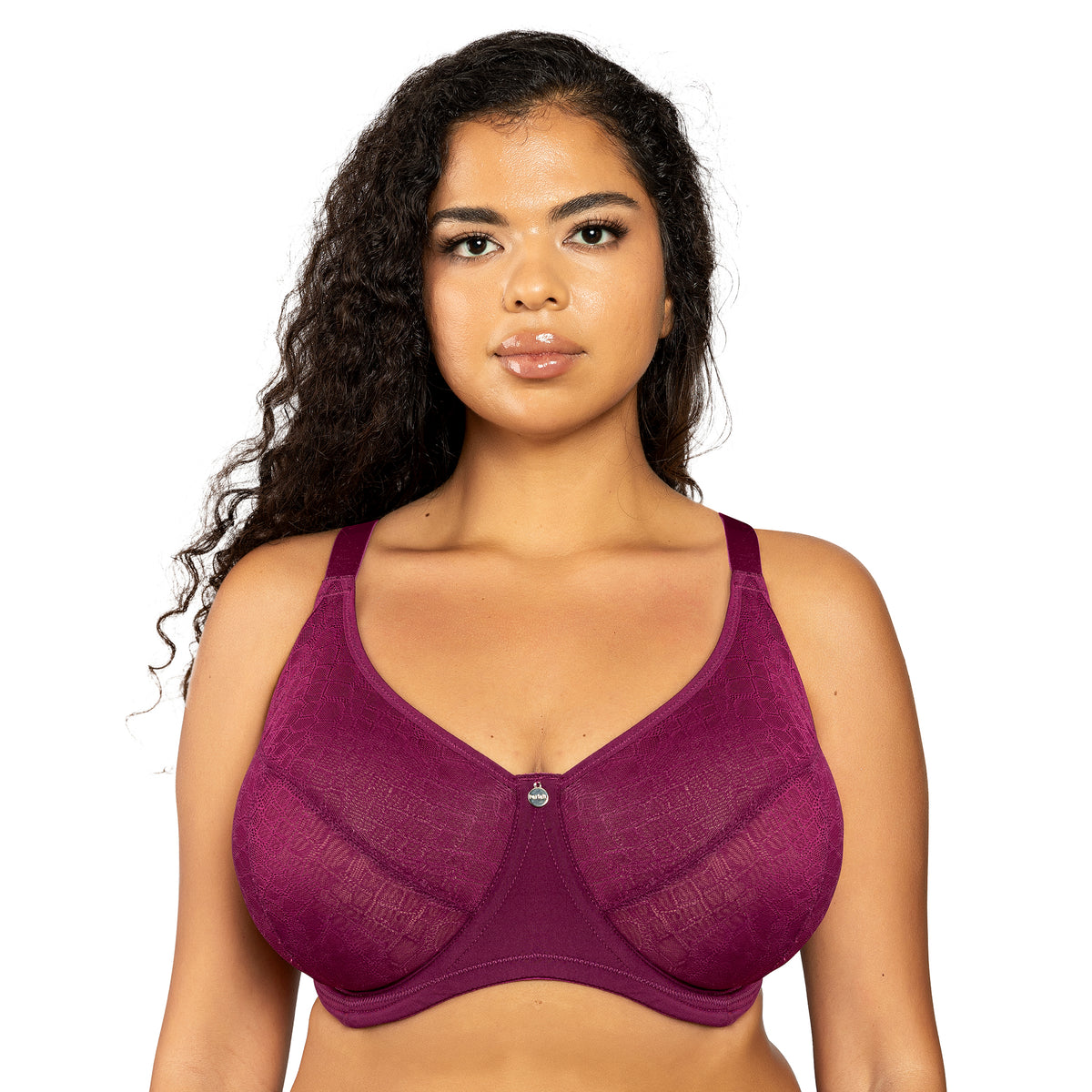
For those with a D cup size, DD cup size, DDD/F cup, or even larger cup sizes, it’s especially important to look for bras made with sturdier fabrics, firmer underwires, and wider straps for additional support. Many brands now offer a wide size range and different styles specifically designed for larger cup sizes, so you don’t have to sacrifice style for comfort. Whether you prefer push up bras, sports bras, or everyday bras, there are options that provide both a comfortable fit and the support you need.
It’s also important to remember that cup size is relative to band size. For example, a 32DD bra will have a smaller cup volume than a 38DD bra, even though the cup letter is the same. This is why understanding the sizing system, whether it’s UK sizing, US sizing, or another system, is crucial when bra shopping. Some brands use different methods to calculate band size, so always double check the brand’s sizing chart and try on several sizes to find your perfect bra.
DD Bras and A D Sizes
-
DD bras are designed for larger breast volumes, with a cup size that is one inch larger than D cup size, providing additional support and comfort. DD+ bras are specifically made with firmer underwires, sturdier fabrics, and wider shoulder straps to offer more support and comfort for fuller busts. Many women wear DD or larger, making this a common size that requires special design features.
-
It's essential to have a professional fitting done to ensure the best fit for your body. The right bra should hug without squeezing and lift without pinching, helping you feel supported and feel amazing every day.
-
DD cup bras often include features like side slings and multi-panel cups to accommodate more breast volume and enhance support.
-
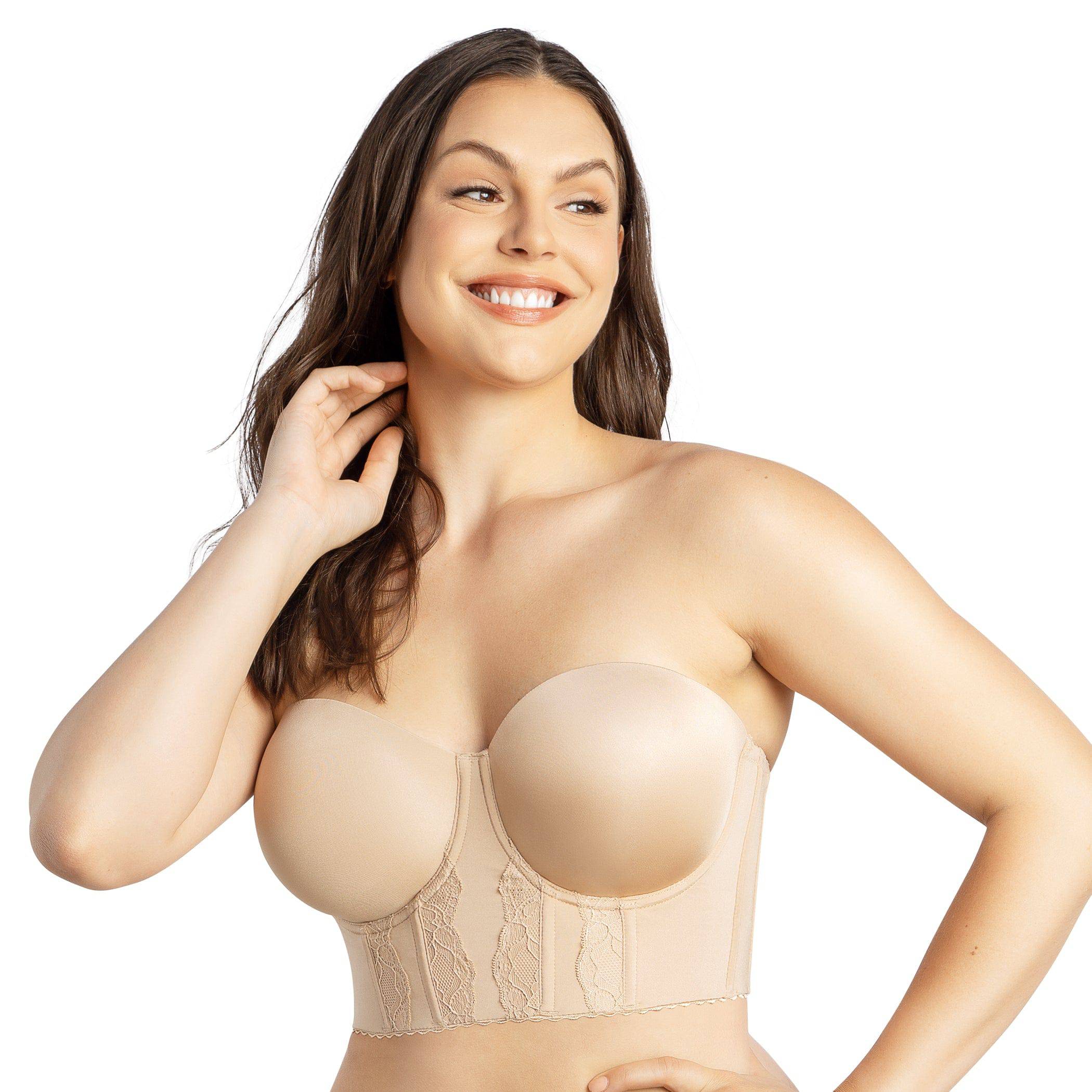
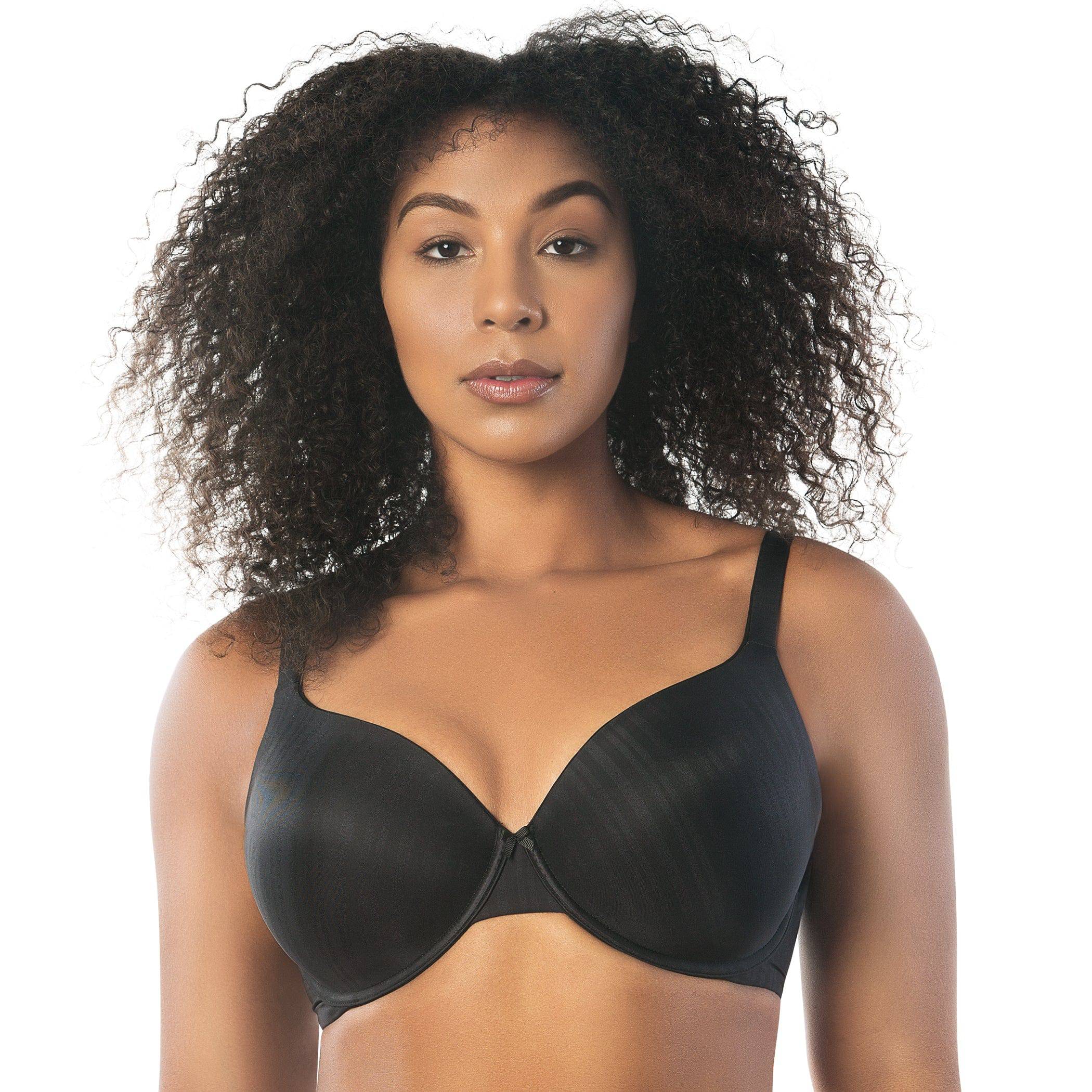
DD bras are available in various bra styles, including full-cup bras, t-shirt bras, plunge bras, sports bras, and bralettes. Full-cup bras are ideal for DD sizes as they offer maximum coverage and prevent bounce. T-shirt bras provide a smooth appearance under clothing and enough lift. Plunge bras can be worn for lower-cut outfits while still providing support. Sports bras for DD sizes should be encapsulated styles to reduce bounce and provide support during workouts. Bralettes for DD sizes should have wider bands and reinforced seams for added support.
-
The best bras for DD sizes combine support, comfort, and style, so you don't have to worry about sacrificing style for support. Modern DD+ bras are designed to be both fashionable and functional, ensuring you look great and feel confident.
-
A D sizes refer to bra sizes that range from A to D, with each size catering to different breast volumes and body shapes. A D sizes are designed to provide a comfortable and supportive fit for smaller breast volumes, with the right bra size ensuring a snug band and comfortable cups.
Bra Straps and Comfort
Bra straps should be adjustable and comfortable, providing the necessary support and comfort. Wider shoulder straps are recommended for DD cup bras to help distribute weight and provide comfort.
A well-fitting bra should have straps that do not dig into the shoulders or slip off, making it essential to choose the correct bra size. Paying attention to how the bra fits is crucial for support and comfort, if the bra rides up your back or feels uncomfortable, it may be a sign you are wearing the wrong size. Wearing the wrong size can lead to issues like discomfort, spillage, or straps slipping, so it's important to ensure your bra fits properly.
Bra straps come in various styles, including padded straps and lace straps, catering to different breast shapes and sizes. Weight gain or loss can also affect how your bra fits, so consider resizing if your body changes to maintain proper support and comfort.
The bra strap system is designed to provide additional support and comfort, with the right bra straps ensuring a snug fit and comfortable wear.
Bra straps can be adjusted to provide the necessary support and comfort, making it essential to try on different bra sizes and styles.