Understanding Bras Cups Sizes: A Practical Guide
Bra size consists of two main parts: band size and cup size, which work together to provide a comfortable and supportive fit.
Due to the lack of standardization in bra sizing, these measurements often provide only an approximate fit. Cup sizes can vary significantly between different countries and manufacturers, making it challenging to find a consistent fit.
Understanding bra size is crucial for finding the perfect fit, as wearing the wrong bra size can lead to discomfort, poor support, and health issues. Surveys indicate that 70-85% of women wear incorrectly fitted bras, with common signs including the band digging into the torso or sliding upwards.
The band size measures the bra band around the torso, while the cup size is calculated from the difference between bust size and band size. However, different brands and even the same labeled size from one manufacturer may not fit the same person due to the lack of standardization. Manufacturers' bra size labeling systems also vary by country because no comprehensive international standards exist. This lack of standardization makes it difficult to use band and cup sizes as anything more than an approximate fit.
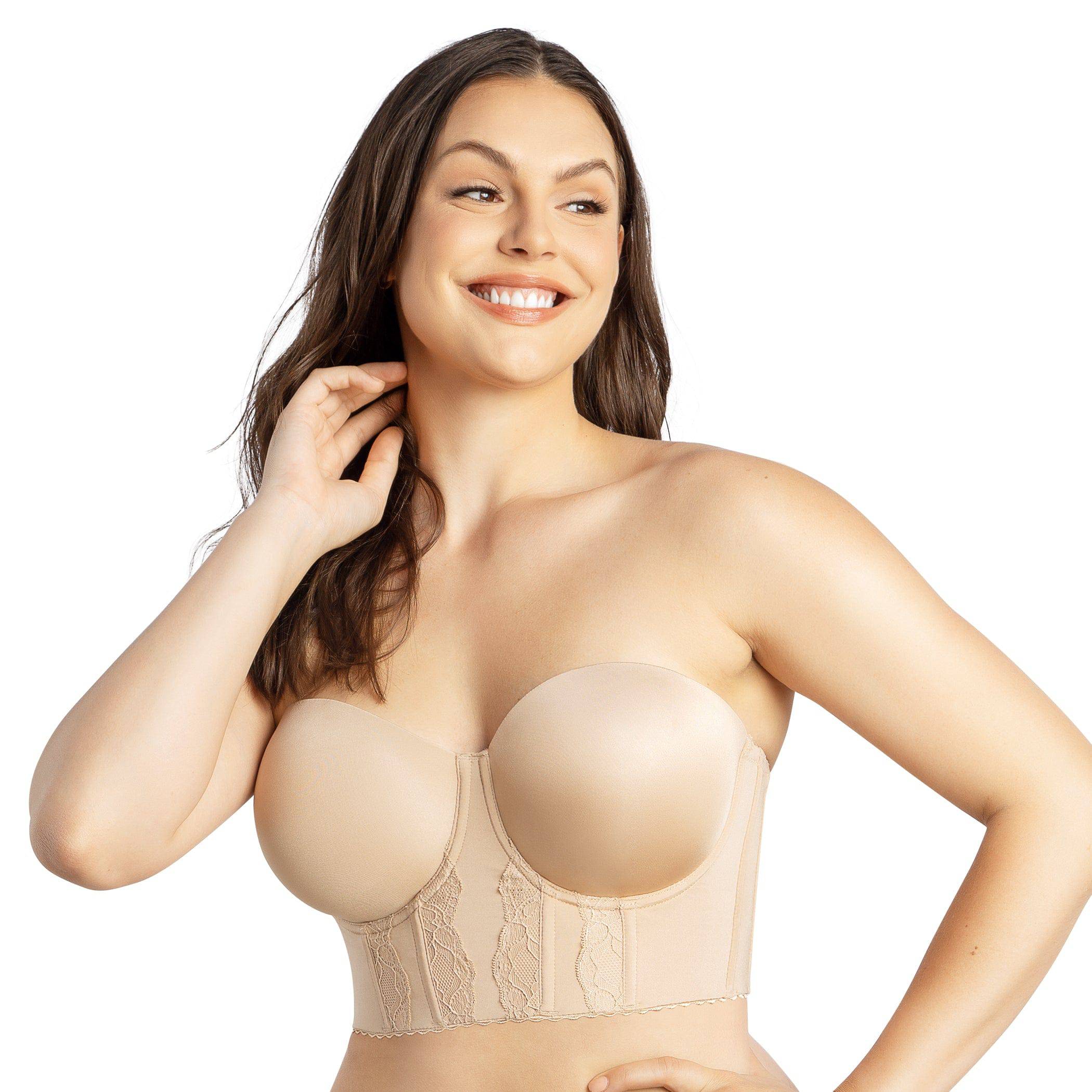
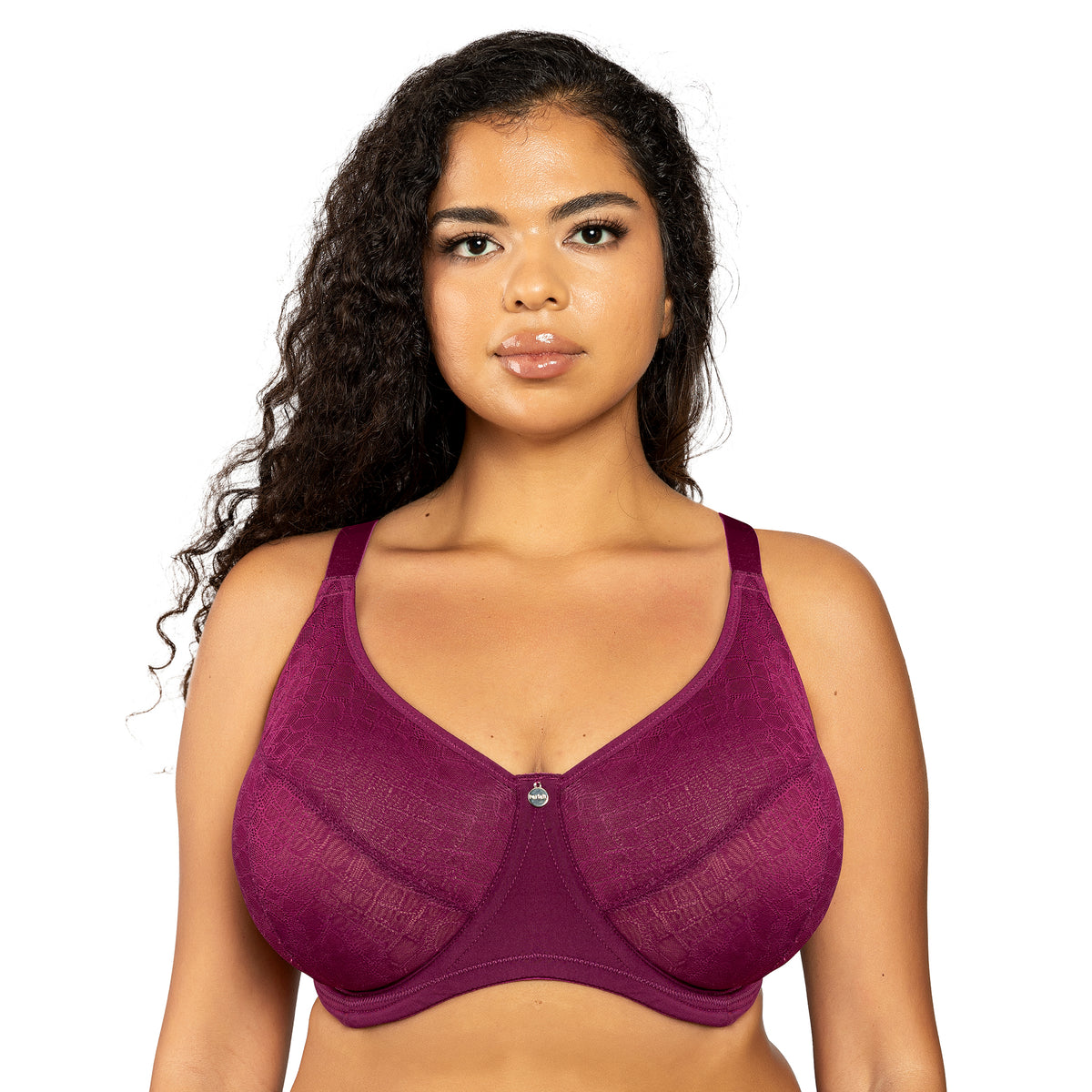
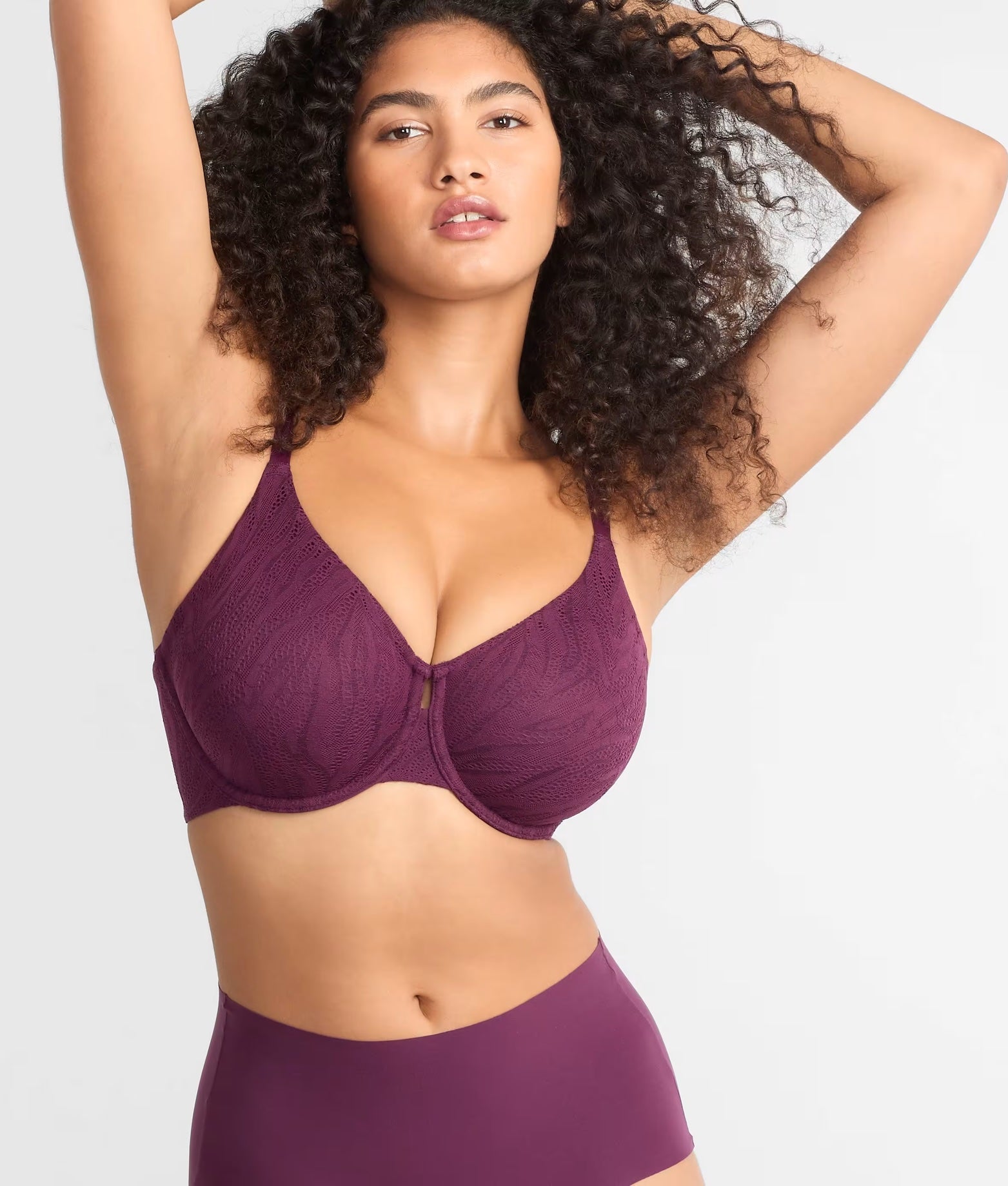
A well-fitting bra should fit snugly around the rib cage, with the bra band sitting comfortably and the cups encapsulating the breast tissue. The bra's center panel should lie flat against the chest, indicating that the bra fits correctly. Bra cups should fully encapsulate the breast tissue without spillage or gapping, and breast shape can influence how well a particular bra style fits.
Historically, Mary Phelps Jacob invented the modern bra, and the first use of letters to indicate cup size was by S.H. Camp and Company in 1932. The term 'cup' was first used in 1916, and the sizing systems have continued to evolve over time.
Measuring for the Perfect Fit
To measure for the perfect fit, remember that both band measurement and cup volume are the two key components for determining the correct bra size. Use a soft measuring tape to take two measurements: the bust circumference (measured around the fullest part of the breasts) and the underbust circumference (measured around the torso, just under the breasts).
If your measurement falls between whole numbers, round up to the next whole number when determining your band size. The difference between the bust circumference and the underbust measurement determines the cup size, with a one-inch difference corresponding to an A cup, a two-inch difference corresponding to a B cup, and so on. Cup volume is important because it reflects the actual breast capacity and can vary with different band sizes.
It’s essential to use a flexible measuring tape and to take the measurements while standing straight and wearing a properly fitted bra. A correctly fitting bra should fit snugly on the loosest hook at first wear to allow for adjustments as it stretches over time. Overflowing breasts around the edges of the bra indicate too small a cup, while loose fabric in the cup suggests the cup is too big.
Women should remeasure their bra size at least once a year, as body sizes can change over time. For the most accurate results and to ensure you are wearing the correct bra size, it is recommended to get fitted by a professional fitter.
The Importance of Band Size
The band size is the foundation of a well fitting bra, providing most of the support that keeps the bra in place and the breasts comfortably lifted. While many women focus on cup size, the band size is just as important for achieving the correct fit and avoiding common issues like neck pain, red marks, or discomfort throughout the day.
To find your ideal band size, simply wrap a flexible tape measure around your rib cage, just underneath the bust. Make sure the tape measure is level and fits snugly, but not so tight that it restricts your breathing or leaves marks. Stand straight and relaxed, with your arms at your sides, to get the most accurate measurement. The number of inches you measure will correspond to your band size, so if your underbust circumference is 32 inches, you’ll likely wear a 32 band, though some bra styles or brands may suggest rounding up or down for the perfect fit.
A correct band size should fit snugly around your body, supporting the bust without digging in or riding up. If the band is too loose, the bra won’t provide enough support, causing the cups to shift and the breast tissue to spill out. On the other hand, too tight a band can cause red marks, discomfort, and even restrict movement. The right band size helps distribute the weight of the breasts evenly, reducing strain on your shoulders and neck, and ensuring the bra’s center panel sits flat against your chest.
It’s important to remember that band sizes can vary between different lingerie brands, bra styles, and even between countries, European bra sizes, for example, may use different numbering systems. This means that a 34 band in one manufacturer’s bra might fit differently than a 34 in another. Trying on several bras and paying attention to how the band fits is the best way to find your perfect fit, especially if you have a unique shape or are between sizes.
For the most accurate results, consider getting a professional fitting at a lingerie store. A trained fitter can help you measure your band and cup size, taking into account your body shape, bust size, and the style of bra that suits you best. This expert advice can make all the difference in finding a bra that fits properly and feels comfortable all day long.
Ultimately, the band size is a key factor in achieving a well fitting bra that supports your bust, flatters your body, and boosts your confidence. By taking the time to measure carefully and try different options, you’ll be well on your way to finding the correct size and enjoying the comfort and style you deserve.
Bra Cup Size Comparison
Comparing bra cup sizes can be challenging, as different manufacturers and styles may have different cup size measurements.
In the U.S., cup sizes typically range from A to D, with additional sizes like DD and DDD (double letters) representing midpoints between standard sizes. European sizing systems use E and F (EF) cups, and their band sizes are measured in centimeters, with cup sizes increasing by 2 cm, while U.S. sizes increase by 1 inch. The U.S. and UK use the inch system for band sizes, while many other countries use metric measurements. In Australia and New Zealand, band sizes start at 8 and go up in increments of 2, similar to the UK system.
The concept of 'medium' is often used as a sizing category, typically positioned between small and large, and is commonly associated with B and C cup sizes. The cup size is always relative to the band size, meaning a 34D cup is not the same volume as a 38D cup. To maintain the same cup volume while changing the band size, you go down one band size and up one cup size, this is known as 'sister sizing,' where different band and cup combinations can have the same cup volume.
For example, a B cup corresponds to a two-inch difference between the bust measurement and the band size, while a C cup corresponds to a three-inch difference. Knowing the cup size equivalent in different countries and manufacturers can also help to make comparisons easier.
The most common mistake women make is choosing too large a back band and too small a cup, which can lead to poor fit and support.