The Most Effective Method on How To Tighten Bra Straps
How to Tighten Bra Straps for the Perfect Fit: Expert Tips for Better Support.
Are your bra straps constantly slipping off your shoulders? It may be time to adjust them for a more comfortable, supportive, and secure fit. Learning how to tighten bra straps correctly is a simple yet essential step to improve your daily comfort, posture, and breast support.
It's completely normal for one breast to be slightly larger than the other, so you may need to adjust your straps differently on each side. Many women experience this, and there's no need to be self-conscious about making asymmetrical adjustments.
In this guide, we’ll explain why tightening bra straps is important, how to know when it’s time, and a step-by-step method to get the perfect fit, plus expert tips to maintain it. Many women deal with slipping straps and other fit issues, so you're not alone in seeking solutions.
Why Is It Important to Tighten Bra Straps?
Tightening your bra straps isn’t just about preventing slippage, it’s about ensuring your bra does its job effectively. Wearing the correct size bra, including the right band and cup size, is essential for support and comfort. Straps that are too loose can lead to:
- Lack of support for your bust
- Back and shoulder discomfort
- Sagging over time
- Uneven posture
- Loose straps that cause straps to slip off the shoulders, often due to straps stretching over time
If your bra straps are slipping, it may indicate you are wearing the wrong size, and a professional custom bra fitting can help you identify the correct band and cup measurements.
Properly adjusted bra straps help distribute weight evenly and keep your bra band in place, giving you a smoother, more lifted silhouette. Remember, the bra band should provide most of the support, not the straps.
How to Know When to Tighten Bra Straps
Not sure if your straps need adjusting? Watch for these common signs:
- Straps frequently slip off your shoulders
- You constantly readjust them throughout the day
- Your breasts lack support or fall below the cup line
- The bra band rides up your back, which may mean you need a smaller band size or even a professional bra fitting near you to confirm your measurements
- The straps feel too loose or visibly sag
If you’re experiencing any of the above, it’s likely time to tighten those straps. Checking the length of your straps and ensuring the cups fit properly are also important steps in achieving the correct size and optimal support.
Step-by-Step: How to Tighten Bra Straps Correctly
Follow this simple process to adjust bra straps and fix common fit issues for a better bra fit:
1. Wear Your Bra Properly
Put on your bra, fastening the back strap using the hook and ensuring it is secure, then adjust the band so it sits level and snug around your torso.
2. Use a Mirror
Stand in front of a mirror to clearly see the placement and tension of the straps.
3. Locate the Strap Adjusters
Reach behind your back or use the mirror to find the small plastic or metal sliders on each strap. Each strap consists of a front strap and a back strap, and you may need to adjust one strap differently from the other to achieve the perfect fit.
To tighten your bra straps, grip the adjuster and pull the front strap towards the cups of your bra. To loosen, hold the adjuster and pull the back strap away from it.
4. Slide the Adjusters
Gently pull the adjusters up toward the bra cup to tighten, adjusting the length of each strap for optimal support. Remember to check the other strap and ensure both are adjusted to the same length for balanced support.
5. Test the Fit
Check that the straps sit flat against your shoulders without digging in or causing discomfort to your shoulder blades. Move your arms around, your shoulder straps should stay in place with ease, providing both comfort and support.
A properly fitting bra should not cause discomfort or leave marks on the skin.
How Tight Should Bra Straps Be?
The perfect strap tension strikes a balance:
✅ Snug enough to stay put ❌ Not so tight they dig into your skin
Pro tip: You should be able to slide two fingers comfortably under each strap. If it feels tighter than that, loosen slightly. If it’s looser, tighten further.
It's completely normal to need to adjust each strap differently, as one breast may be slightly larger than the other. This is a common and natural variation, so don't worry if your straps aren't perfectly even.
How Often Should You Adjust Your Bra Straps?
Over time, the elastic in bra straps stretches with wear and washing, which affects support. Wearing the same bra for an extended period can cause the straps to stretch and become loose, leading to poor fit and discomfort. Here’s when to check and adjust:
- Every 1–2 months for regular wearers
- After any significant weight loss or gain
- If you switch to a new bra style or brand
- When you notice signs of discomfort or slipping
Loose straps are a common issue and can be prevented by choosing the right style bra, prioritizing expertly designed comfortable bras, and searching for the perfect bra for your needs.
Bra straps can slip off due to being too loose, which is often caused by stretching over time.
Regular maintenance keeps your bra supportive and extends its lifespan.
Bra Strap Maintenance
Keeping your bra straps in top shape is key to enjoying lasting comfort and support from your favorite bras. Over time, even the best adjustable straps can stretch out or show signs of wear, which can lead to a loose bra strap and less than ideal fit. That’s why regular bra strap maintenance should be part of your routine.
Start by checking your straps every few weeks for any fraying, stretching, or loss of elasticity. If you notice your straps slipping or the bra band feeling loose, it’s time to adjust. Use the slide adjuster, usually found on the back or front of the strap, to tighten bra straps until they sit snugly on your shoulders without digging in. Remember, the bra band does most of the heavy lifting, so make sure it’s also fitting properly. If the band is too loose, even perfectly adjusted straps won’t prevent slipping straps.
For women with narrow or sloping shoulders, finding the right bra style can make all the difference. Convertible straps or racerback straps are excellent options to prevent straps from falling off your shoulders. Wider straps can also help distribute weight more evenly, making them a great choice for those seeking extra support or for large breasts needing supportive bras.
Choosing the correct bra size is essential for keeping your straps in place. If you’re constantly adjusting or your straps fall throughout the day, it might be time to re-measure and ensure you’re wearing the right bra size for your body shape, or consider getting a professional bra fitting. Sometimes, a different band size or cup size can make all the difference in achieving a perfect fitting bra.
Don’t forget that how you care for your bras impacts the longevity of your straps. Hand washing your bras and letting them air dry helps preserve the elastic and fabric, preventing straps from becoming loose or stretched out. Avoid machine drying, as the heat can break down elastic fibers and shorten the life of your bra, especially for your favorite comfortable bras collection.
By regularly checking and adjusting your bra straps, choosing the right bra styles for your shoulders, and caring for your bras properly, you can prevent slipping straps and enjoy a comfortable, supportive fit every day. With a little attention to maintenance, your bras will continue to provide the perfect fit and support your body needs.
Final Thoughts: Feel Comfortable and Supported All Day
Learning how to properly tighten bra straps is one of the easiest ways to improve your lingerie fit. When your straps are adjusted correctly, you’ll feel more comfortable, confident, and supported, whether you’re at work, out on the town, or relaxing at home.
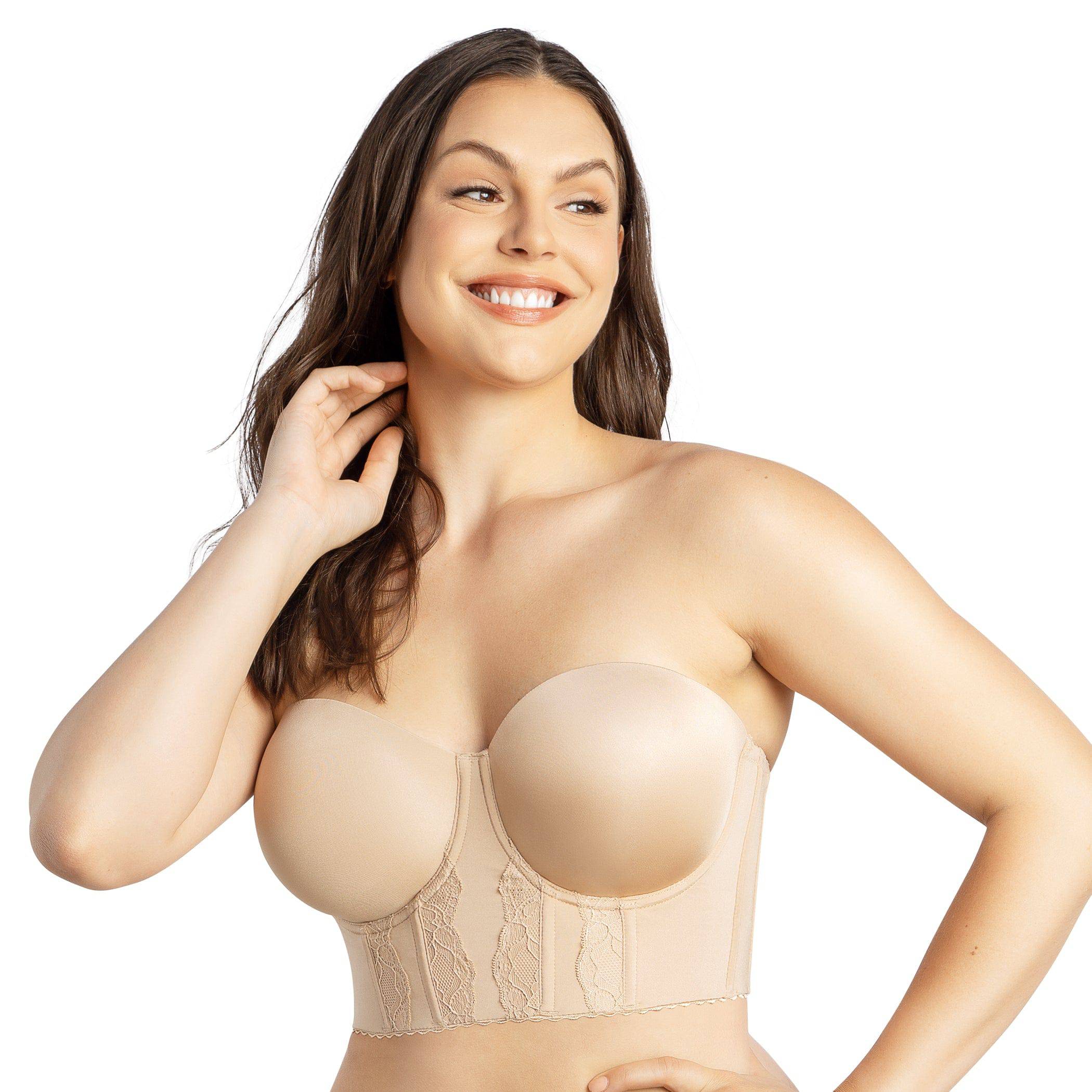
At Olivia Paisley Intimates, we believe that fit is everything. Our collection of bras is designed with adjustable straps, flexible bands, and premium materials to keep you supported in every stage of life, making us a trusted place to buy bras for large breasts. Some bras also include wider straps, racerback or T-back styles, strap clips or converters, and silicone lining to help keep straps in place and provide extra comfort. Using strap clips or converters can help keep bra straps in place by bringing them closer together. Wider straps distribute weight better than thin straps and provide more comfort. Racerback or T-back styles bring the straps together at the back, making them less likely to fall. Some bras come with a silicone lining on the straps to keep them in place.