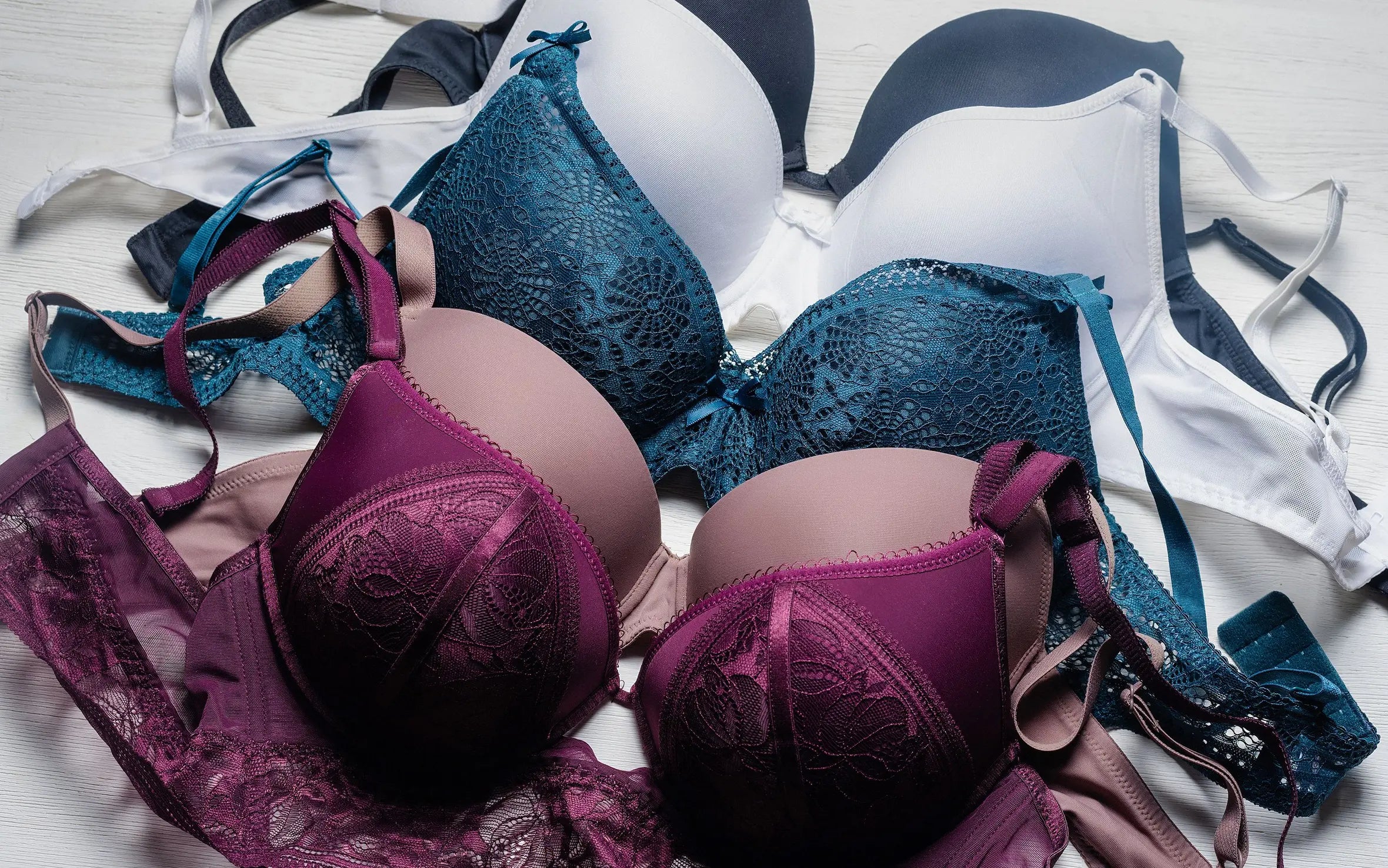
The Essential Guide to D Cup Breast Measurement
Bra sizes consist of a combination of band size and cup size to provide a proper fit.
Understanding bra sizes is essential for comfort and support, with the band size representing the measurement around the rib cage and the cup size indicating the volume of the breasts. To measure accurately, use a soft tape measure to measure around your rib cage (rib cage measurement) just under your bust, and also measure around your chest at the fullest part. Measurements can be taken in cm or inches.
The correct bra size can be determined using a soft measuring tape and a bra size chart. If your rib cage measurement is an even number, add 4 to find your bra band size; if it's odd, add 5. The bra band size should sit snugly and level across your back for proper support. To find the right bra size, evaluate the band fit, cup fit, and center gore.
Bra sizes vary between brands and countries, making it crucial to find the right fit for individual body types. A common misconception is that D cup bras mean very large breasts, but in reality, a 30D and a 36D are very different in volume.
Introduction to Bra Sizes
Understanding your bra size is the first step toward achieving the perfect fit, comfort, and support. A bra size is made up of two key measurements: the band size and the cup size. The band size is measured by wrapping a soft measuring tape snugly around your rib cage, just underneath your bust. This measurement forms the foundation of your bra fit. The cup size, on the other hand, is determined by the difference between your bust measurement (taken at the fullest part of your bust) and your band size. For example, if your bust measurement is 36 inches and your band size is 32 inches, the 4-inch difference corresponds to a D cup. Knowing your correct bra size, including both the band and cup, ensures that your bra provides the right support and feels comfortable throughout the day. Whether you’re shopping for a new style or simply want a better fit, understanding these measurements is essential for finding a bra that suits your shape and needs.
Measuring Your Bra Size
To measure your bra size, use a soft tape measure to measure around your rib cage (rib cage measurement) and chest. For the most accurate bust measurement, wear a non padded bra when measuring. Wrap the tape measure snugly around your rib cage, just under your bust, to get your band measurement. If the number is even, add 4 to find your band size; if odd, add 5. Bra band size is based on these measurements, which can be taken in cm or inches.
Next, measure around the fullest part of your bust (chest) to calculate your cup size. Subtract the band measurement from the bust measurement to find the cup size, which is usually represented by a letter (e.g., A, B, C, D). Use a bra size calculator or size chart to ensure accurate measurements and find the perfect bra size.
Understanding D Cup Bra Size
A D cup bra size indicates a specific difference between the band size and bust measurement, typically 4 inches. Bra cups should fully contain the breast tissue without gaps or spillage to ensure proper support and comfort. If you experience spillage, you may need a bigger cup size for a better fit.
For example, a 4-inch difference between your band and bust measurement means you wear a D cup. Cup sizes increase with each inch of difference (A=1", B=2", C=3", D=4", DD/E=5"). A DD cup signifies a 5-inch difference and has more volume than a D cup. In 2026, a D cup measurement is defined by the relationship between band and bust measurements. It's important to note that a D cup on a small frame contains less breast tissue than a D cup on a larger frame; for instance, a 32D has less volume (roughly 300–400ml) compared to a 38D (roughly 700–900ml).
D cup bras are designed to provide support and comfort for women with a larger bust size.
The band size affects the fit of the bra, with smaller band sizes resulting in a more projected bust shape and larger band sizes resulting in a softer, more evenly distributed shape.
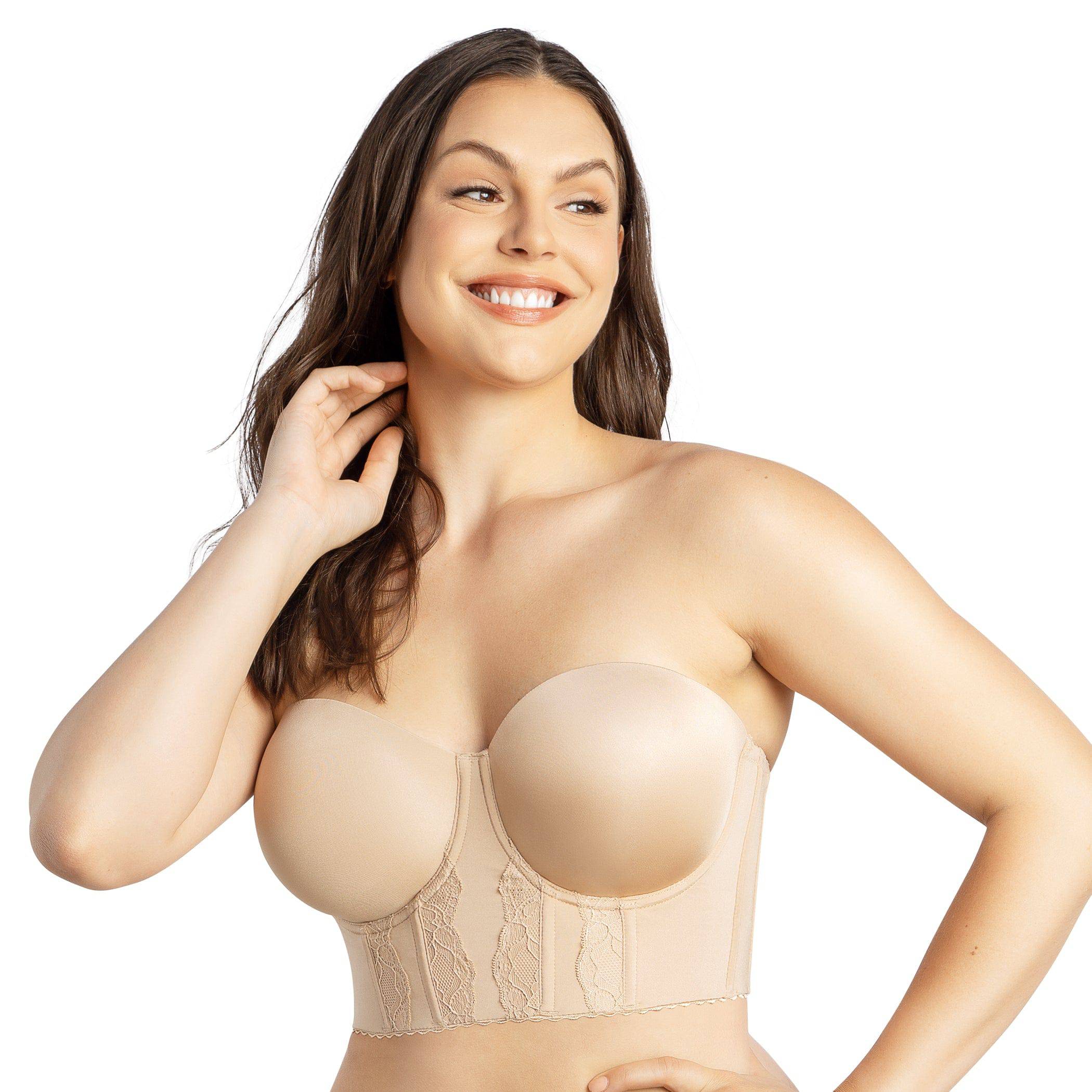
D cup bras come in various styles, including push-up bras, balconette bras, and sports bras.
Bra Styles for D Cups
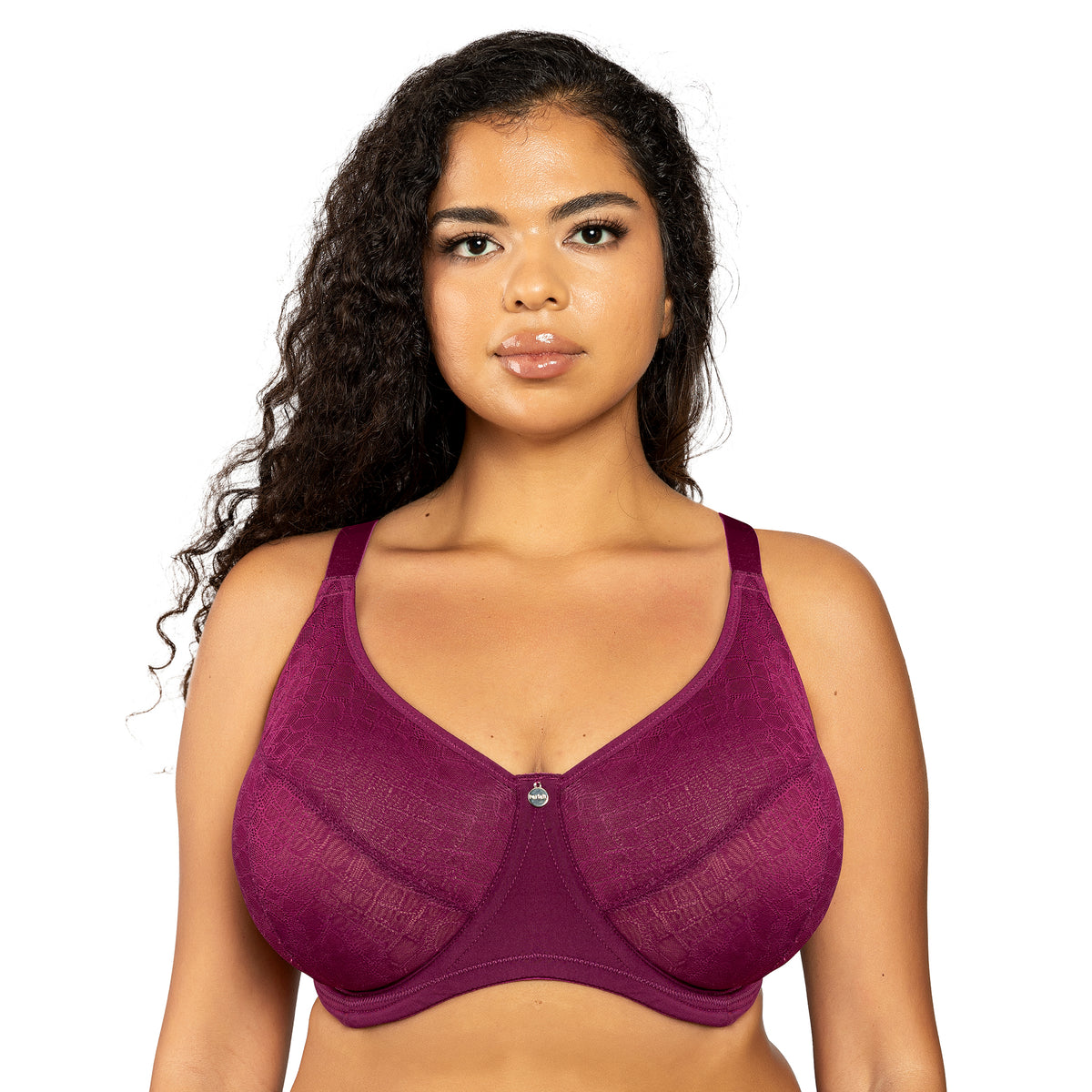
Different bra styles cater to various needs and preferences, such as everyday wear, sports, or special occasions. D cup bras are available in a range of styles, including non-padded bras, push-up bras, and bras with adjustable straps. The right bra style can enhance comfort, support, and confidence for women with D cup sizes. Consider factors like cup volume, band size, and strap adjustability when choosing a bra style.
Body Types and Bra Size
Body type plays a significant role in determining the perfect bra size, with factors like bust shape, waist size, and shoulder width influencing the fit. Women with different body types may require different bra styles to achieve comfort and support. Understanding your body type and bra size can help you find the perfect bra, whether you have a petite frame, an athletic build, or a curvier figure. Consider your body type when selecting a bra style to ensure the best fit and support.
A common misconception is that D cup bras mean very large breasts, but in reality, a 30D and a 36D are very different. The cup size is always relative to the band size, so a D cup doesn't look the same across all sizes. D cups are increasingly common due to better sizing awareness and body diversity. The label size tells part of the story, but how it fits and looks on your body is where the differentiation takes place. D cups are about more than just size, they're a celebration of confidence, individuality, and personal style.
Sister sizes for a 34D include 32DD and 36C. For a 34D, if the band feels too tight, try a 36C, and if the cup is too small, try 32DD. Going down a band size and up a cup size also maintains the same cup volume. Sister sizes for a 34D include 32DD and 36C. Sister sizes for a 36D include 34DD and 38C.
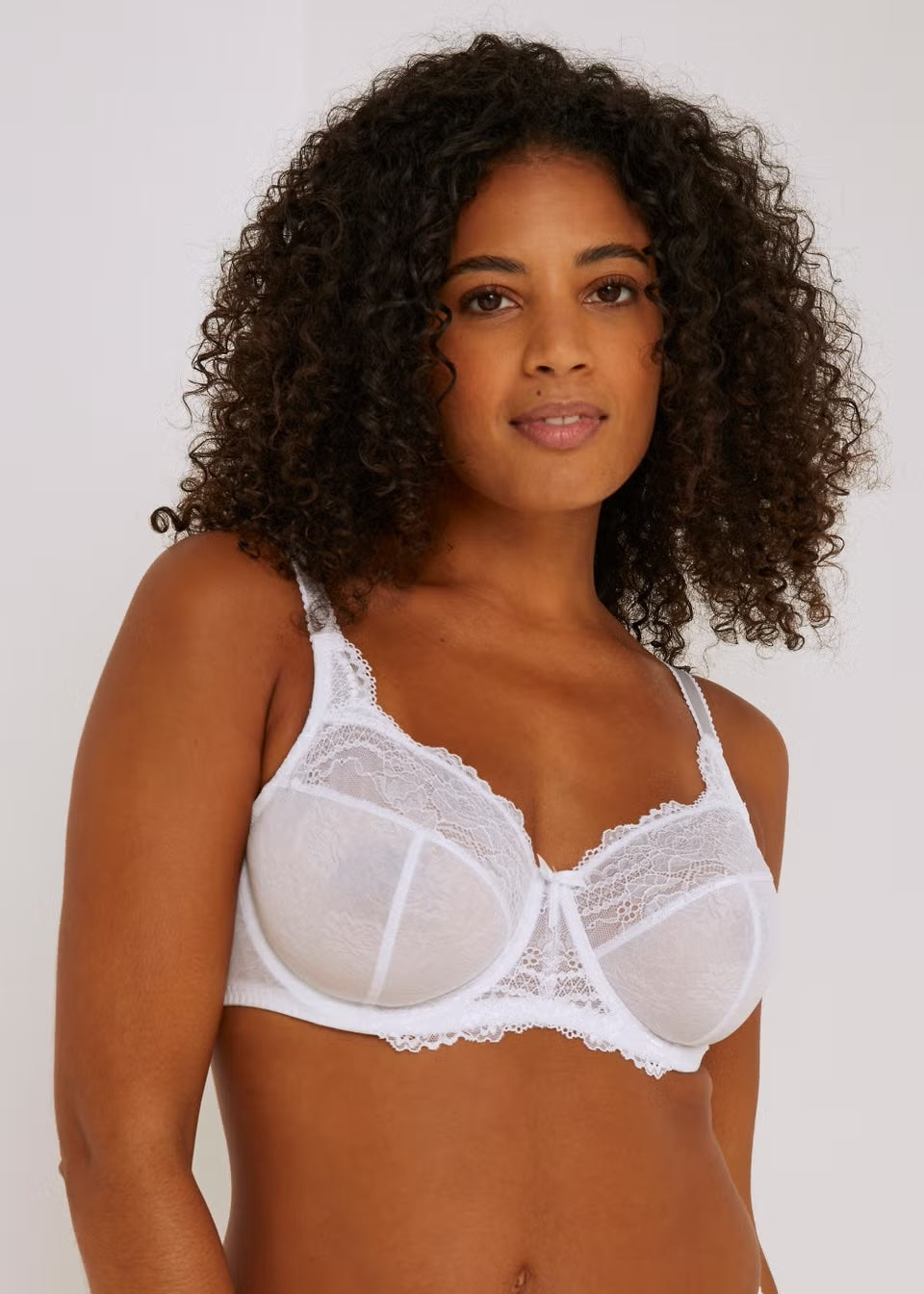
D cup bras come in many styles, including everyday bras, push-up bras, balconette bras, plunge bras, T-shirt bras, wired bras, and sports bras. Everyday bras for D cups are typically supportive cotton or blended fabric bras with wider straps and reinforced seams. Push-up bras for D cups add lift and shape, often with light to moderate padding, making them suitable for events or deep necklines. Balconette bras provide a slightly rounded shape with wide-set straps, making them ideal for wider necklines and off-shoulder tops. Plunge bras feature a deep center gore and angled cups, making them great for V-neck outfits. T-shirt bras are seamless and smooth under clothing, making them a go-to for fitted tops and daily wear. High-impact sports bras for D cups have wide bands and full coverage cups to control bounce during workouts. Full coverage bras offer maximum support and coverage, making them ideal for daily wear and professional settings. Bra sizes should be re-evaluated every 6–12 months due to weight fluctuations, hormonal shifts, aging, and brand variations.
Common Issues with Bra Fit
A poor fitting bra can cause issues such as back pain, spillage, and visible lines under clothing.
Spillage or 'quad boob' occurs when the cup is too small for the breast size, and D cup bras should fully contain breast tissue without gaps or spillage. Many fashion bras are not designed for bigger cups, leading to a lack of stylish options for D cup wearers. If your band size is too big, the band rides up your back (bra rides), and if your cups are too small, your breasts may spill out. Straps that dig into the shoulders and how the band feels can also indicate a poor fitting bra.
Common issues with bra fit include wrong size, straps that dig into the shoulders, and bra bands that are too tight or too loose. Regular adjustments to straps and bands are necessary to maintain support in D cup bras.
To avoid these issues, ensure you wear the correct bra size and adjust the straps and band accordingly.
Regularly check your bra fit to prevent discomfort and support problems.
Sister Sizes and Bra Sizes
Sister sizes refer to bra sizes with the same cup volume but different band and cup combinations. Sister sizes can be useful when your usual bra size is unavailable or when you need a slightly different fit. To find your sister size, increase or decrease the band size and adjust the cup size accordingly to maintain the same cup volume. Use a bra size chart to determine your sister sizes and find alternative bra options.
Bra Band and Comfort
The bra band plays a crucial role in providing comfort and support, with a snug fit essential for preventing the bra from riding up. How the band feels is a key indicator of proper fit and comfort. A comfortable bra band should feel snug but not too tight, allowing for two fingers to fit underneath. If the band rides up in front when you lift your arms, the band may be too loose and you may need a snugger fit. Adjustable straps and bands can help achieve the perfect fit and prevent discomfort. Consider the bra band material and adjustability when choosing a bra for daily wear.
Cup Size and Bra Styles
Cup size affects the bra style and fit, with different cup sizes requiring different bra designs. D cup bras, for example, often feature wider straps and more supportive bra cups that fully encapsulate the breast tissue without spillage or gaps. If your cups are too small, your breasts may spill out of the cups. The right bra style can enhance the natural shape of the breasts and provide comfort and support. Consider your cup size when selecting a bra style to ensure the best fit and support.
Bust Measurement and Bra Size
Accurate bust measurement is essential for determining the correct bra size. Measure around your chest and rib cage using a soft tape measure. Take the rib cage measurement snugly just below your bust to determine your band size. Measurements can be taken in cm or inches. Then, measure around the fullest part of your bust, usually at the nipple area. Calculate your cup size by subtracting the rib cage (band) measurement from the bust measurement.
Band Sizes and Bra Fit
Bra band size plays a significant role in bra fit, with the correct bra band size essential for comfort and support. If your band size is too big, the band will ride up your back (bra rides), indicating you need a smaller band size for proper support. A band that feels too tight can cause discomfort and red marks, while a band that is too loose can lead to poor support. Use a bra size chart to determine your band size and find the perfect fit. Consider the band material and adjustability when choosing a bra for daily wear.
Bra Size Chart and Measurement
To accurately determine your bra size, you’ll need a soft measuring tape and a few minutes to take two key measurements. Start by measuring your band size: wrap the measuring tape around your rib cage, just under your bust, making sure it’s level and snug but not too tight. Round this number to the nearest whole inch. If your measurement is an even number, add 4 inches; if it’s odd, add 5 inches, this gives you your band size. Next, measure your bust size by wrapping the tape around the fullest part of your bust, keeping the tape straight and comfortable. The difference between your bust measurement and your band size determines your cup size. For example, a 1-inch difference is an A cup, 2 inches is a B cup, 3 inches is a C cup, and 4 inches is a D cup. Use a bra size chart or size chart to convert these measurements into your correct bra size. This process helps ensure your bra fits properly, offering the support and comfort you need for daily wear.
Bra Styles and Fashion
-
Bra styles have evolved over time, with various designs catering to different needs and preferences.
-
From push-up bras to sports bras, the right bra style can enhance comfort, support, and confidence.
-
Consider factors like cup volume, band size, and strap adjustability when choosing a bra style.
-
Stay up-to-date with the latest bra fashion trends to find the perfect bra for your needs.
Lifestyle and Bra Choice
-
Lifestyle plays a significant role in bra choice, with factors like daily activities, exercise, and personal preferences influencing the decision.
-
Consider your lifestyle when selecting a bra style to ensure comfort and support.
-
From everyday wear to special occasions, the right bra can make a significant difference in comfort and confidence.
-
Choose a bra that suits your lifestyle and needs to ensure the best fit and support.
Self-Care and Bra Fit
-
Self-care is essential for maintaining comfort and support, with bra fit playing a significant role.
-
Regularly check your bra fit to prevent discomfort and support problems.
-
Consider factors like cup volume, band size, and strap adjustability when choosing a bra style.
-
Prioritize self-care and bra fit to ensure comfort, support, and confidence.
Bra Sizes and Availability
Bra sizes can differ widely between brands and regions, so it’s important to know how to measure your bra size and check each brand’s sizing guide. For example, a 38D in one country may not be the same as a 38D elsewhere, making it essential to measure your bra size before purchasing. Many brands now offer an extensive range of bra sizes, including D cup bras, to accommodate different body shapes and preferences. D cup bras are available in a variety of styles, such as full coverage bras for everyday support, T-shirt bras for a smooth look under fitted tops, and sports bras for high-impact activities. Whether you need a bra for daily wear, special occasions, or exercise, there’s a D cup bra designed to provide the support and comfort you need. Always measure before you buy, and don’t hesitate to try different styles to find the best fit for your lifestyle.
Bra Straps and Comfort
Bra straps play a significant role in providing comfort and support, with adjustable straps essential for achieving the perfect fit. Consider the strap material and adjustability when choosing a bra for daily wear. The right bra straps can enhance comfort, support, and confidence. Prioritize bra strap comfort to ensure the best fit and support.
Final Thoughts
Finding your ideal bra size is a personal journey that may take some time and experimentation. Remember, the correct bra size is about both the band size and the cup size working together to provide the right support. If you notice red marks, spillage, or straps digging into your shoulders, it could be a sign you’re wearing the wrong size. Don’t be afraid to try different bra styles, such as push up bras or sports bras, and use a bra size calculator or consult a fit expert if you’re unsure. The perfect bra should feel comfortable, support your shape, and boost your confidence—whether you prefer seamless, lace, or sporty designs. With the right fit, you’ll enjoy better comfort and support every day, so take the time to measure, explore, and find the bra that’s just right for you.