The Guide for Bust 36 Inch Measurements
Introduction to Bra Fitting
Understanding bra size is crucial for a comfortable fit and proper support, bra size consists of band size and cup size.
A well-fitting bra can make a significant difference in overall comfort and confidence, using a bra size calculator can help.
Bra fitting is not a one size fits all approach, factors such as bust measurement, band size, and personal preference play a role. Each person has unique measurements and fit needs, and fit is not standardized across all brands.
Measuring your bra size accurately is the first step to finding the right bra, use a soft measuring tape to get your measurements for the bust and rib cage, ensuring it is snug but not too tight for accurate results.
Bra size charts and calculators can help determine your bra size, but it’s essential to understand how to use them correctly. Many stores offer fitting guidance and a variety of sizing options to help you find the best fit. If you're also looking to care for your hair while you sleep, consider using satin pillow scrunchies as a gentle alternative to traditional elastics.
Surveys and studies show that 70-85% of women wear incorrectly fitted bras, highlighting the importance of proper fit and measurement.
Measuring Your Bust Measurement
To measure your bust, wrap a tape measure around the fullest part of your chest to determine the circumference, keep the tape level and parallel to the floor.
The measurement should be taken at the widest part of your chest for the most accurate fit.
Make sure the tape measure is not too tight or too loose, you should be able to fit a finger under the tape. Arms should be relaxed at your sides during measurement to avoid an inaccurate reading.
Take note of your bust measurement in inches, this will be used to determine your cup size.
Measure around the fullest part of your bust, usually around the nipple area, this will give you an accurate measurement.
Use a flexible tape measure to get an accurate measurement, a rigid tape measure may not conform to your body.
Remember, this measurement provides a starting point, not an exact figure, and trying on bras is still necessary to find the best fit for your figure.
Understanding Band Size
Band size, also known as the bra band size, is measured by wrapping a tape measure snugly around your rib cage, directly underneath your bust, this is usually the smallest part of your torso and is referred to as the underbust measurement.
Make sure the tape measure is level and parallel to the floor, this will ensure an accurate rib cage measurement.
Take note of your band measurement in inches, this rib cage measurement, taken directly underneath the breasts, will be used to determine your bra band size.
The band or frame size is the firm circumference measured directly underneath the breasts.
If your band measurement (or underbust measurement) is an even number, add 4 inches; if it's an odd number, add 5 inches, to determine your final bra band size.
Depending on the bra brand and style, you may need to round up or down to the nearest even number.
A well-fitting band should be snug but not too tight, you should be able to fit two fingers under the band.
Determining Your Cup Size
Cup size is determined by the difference between your bust measurement and band measurement, this is usually measured in inches. For example, if your bust measurement is 36 inches and your band measurement is 32 inches, your cup size would be 4 inches, which corresponds to a D cup. Use a bra size chart to determine your cup size, different bra brands and styles may have slightly different sizing.
Cup size can vary between bra brands and styles, so it’s essential to try on different bras to find the best fit. The center panel of the bra should lie flat against your chest; if it lifts or doesn't sit flush, the fit may be incorrect. A well-fitting cup should cover your breasts completely, without gaping or spilling over. A properly fitted bra can help prevent breast tissue from sagging over time.
Using a Bra Size Chart
A bra size chart is a useful tool for determining your bra size, it takes into account both band and cup size. A size chart or table can help you visualize size conversions and standards across different brands and countries. Use a bra size chart to match your measurements to a bra size, different charts may have slightly different sizing. Bra size charts can vary between countries and regions, so make sure to use a chart that corresponds to your location. Different countries and manufacturers have varying standards for bra sizes, which can lead to inconsistencies in fit. A bra size chart can help you find your sister size, which is a larger or smaller band size with a corresponding smaller or larger cup size. For example, a 34B bra from two different companies may not fit the same person due to lack of standardization. Use a bra size chart to find your UK sizing equivalent, if you’re used to US sizing.
Finding the Right Size with a Bra Size Calculator
A bra size calculator is a quick and reliable way to determine your ideal bra size without the guesswork. By entering your band size and bust size, measured with a soft tape measure around your ribcage and the fullest part of your bust, the calculator does the math for you, providing both your band size and cup size. For the most accurate results, make sure the tape is snug but not tight, and always measure while standing straight with the tape lying flat against your body. Input your measurements to the nearest quarter inch to ensure a comfortable fit. Using a bra size calculator takes the confusion out of sizing and helps you find a bra that supports your breasts and fits your body perfectly.
Factors Affecting Bra Fit
Bra fit can be affected by a variety of factors, including band size, cup size, and personal preference. Elastic in bra straps can stretch over time, which may affect the fit and support of your bra. A well-fitting bra should be comfortable and supportive - without digging or slipping. If your straps slip, you may need to tighten them to maintain proper support. Factors such as body shape and size can affect bra fit, so it’s essential to try on different bras to find the best fit. Incorrectly fitted bras can cause shoulder or neck pain, and common signs include the band digging into the torso or sliding upwards. Bra fit can also be affected by the type of bra, such as a push-up or sports bra. A well-fitting bra can make a significant difference in overall comfort and confidence, so it’s essential to find the right size. A 36-inch bust is a common mid-range measurement in women’s clothing, typically fitting into Medium (M) or Large (L) sizes, and often corresponding to US sizes 8-12, depending on the brand and style.
Choosing the Right Bra Style
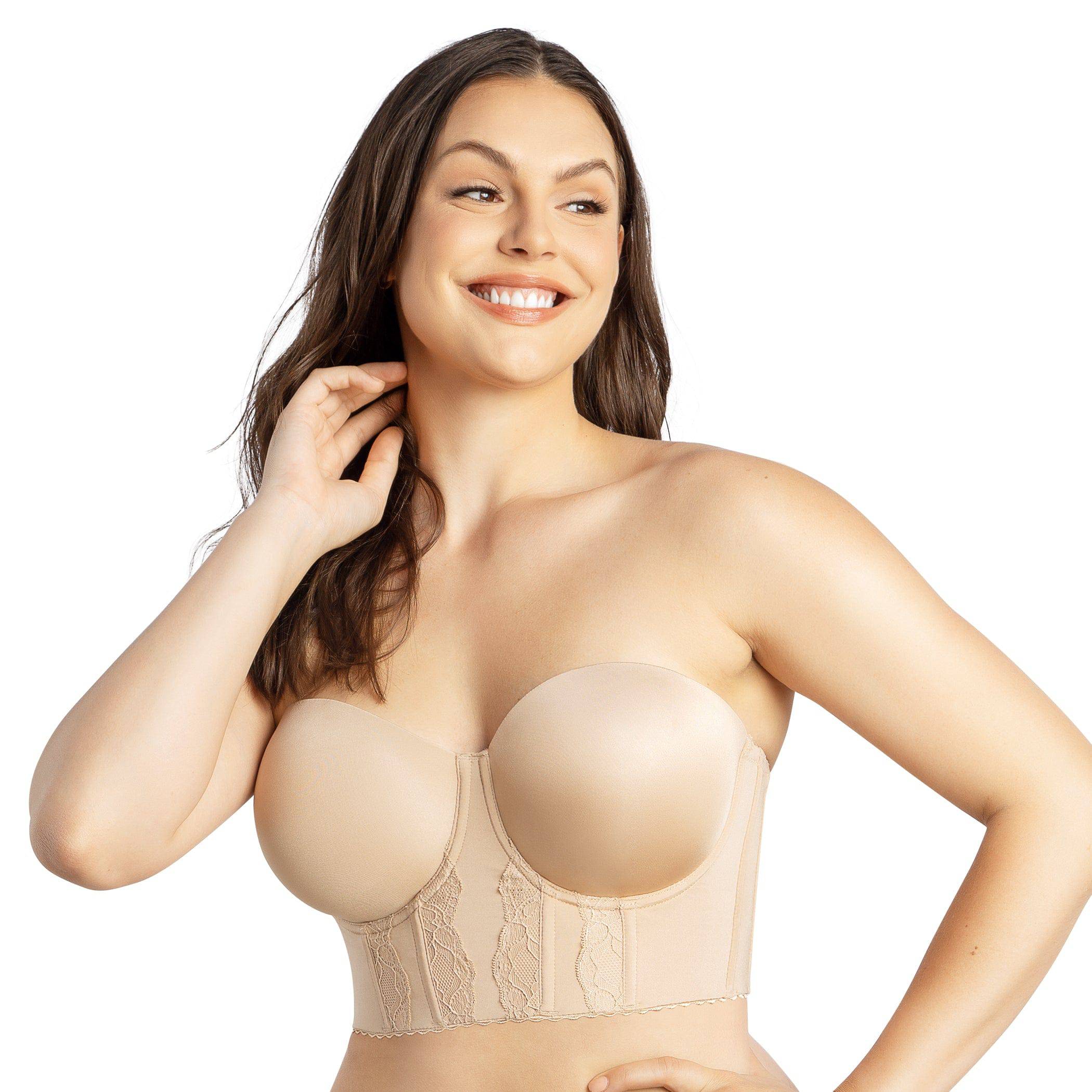
Selecting the right bra style is just as important as knowing your cup size and band size. The best bra for you depends on your lifestyle, body shape, and personal comfort. For example, a sports bra offers extra support and minimizes movement during exercise, making it a great choice for active women. If you have a fuller bust, a minimizer bra can help create a smoother silhouette under clothing. Pay attention to features like straps, padding, and closure types, as these can affect both support and comfort. Don’t be afraid to try on different styles, what works for a D cup may not feel the same for a DD or DDD. Being aware of your size and the variety of bra styles available ensures you find the perfect match for your needs.
Troubleshooting Common Bra Problems
Even with the right measurements, you might encounter common bra problems like a band that feels too tight or too loose, cups that gape or dig in, or straps that slip off your shoulders. If your band is uncomfortable, try adjusting to a different band size, remember, a snug band provides most of the support, but it shouldn’t leave red marks or feel restrictive. For cup issues, moving up or down a cup size can solve problems with spillage or gaps. If your straps keep slipping, look for bras with adjustable straps or try tightening them for a better fit. Understanding the concept of sister size can also help; for example, if a 36D feels too tight in the band, a 38C might offer a similar cup volume with a more comfortable band. Being aware of these solutions helps you achieve a fit that feels secure and supportive all day long.