Understanding Bras Cup Size: What It Really Means
Bra cup size is one of the most misunderstood parts of bra fitting. Many women wear the wrong cup size without realizing it, leading to discomfort, lack of support, and an unflattering fit. At Olivia Paisley Intimates, we believe that understanding bra cup size is the first step toward comfort, confidence, and proper support, no matter your body shape or bust size.
Bra cup size can vary significantly between different countries due to varying sizing systems. These differences in measurements and labeling can make it confusing to find the right fit, especially when shopping internationally.
This expert guide explains what bra cup size really means, how it’s calculated, and why the right cup size can transform how your bras feel and look. Women with larger breasts or those seeking larger cup sizes often face additional challenges due to inconsistencies in sizing and limited availability, making it even more important to understand how sizing works.
What Is Bra Cup Size?
Bra cup size refers to the difference between your bust measurement and your band measurement, not the size of your breasts alone. Cup size is relative to band size, which is why a D cup does not look or feel the same across all bands.
For example:
-
A 34D and a 38D are very different in volume. Band and cup sizes are not standardized across brands, so finding the same size can be difficult when shopping for bras.
-
A 32DD can have the same cup volume as a 34D or 36C
This concept is known as sister sizing, and it explains why cup size must always be considered alongside band size. Different sizing systems, such as US, UK, and European, can lead to confusion when trying to find the same size in different countries or brands.
How Bra Cup Size Is Calculated
To determine cup size, you need two measurements, taken with a flexible tape measure for accuracy:
-
Band measurement – Taken snugly around the ribcage, just under the bust
-
Bust measurement – Taken around the fullest part of the bust
For best results, stand in front of a mirror, standing straight, and use the tape measure to measure bra size by wrapping it around the fullest part of your bust and directly under your bust. Precise cup measurements are essential for determining the correct fit.
The difference between these measurements determines cup size:
-
1” difference = A cup
-
2” difference = B cup
-
3” difference = C cup
-
4” difference = D cup
-
5” difference = DD / E cup
-
6” difference = DDD / F cup
-
7”+ difference = G cup and beyond
Because sizing standards vary slightly by brand, these are guidelines—not rigid rules.
To simplify the process, you can use a bra size calculator to convert your measurements into a recommended size, which is especially helpful when comparing different sizing systems.
Breast Shape and Cup Sizes
When it comes to finding your perfect bra size, breast shape is just as important as cup size. Every woman’s natural shape is unique, and understanding yours can make all the difference in achieving a well fitting bra. For example, asymmetric breasts, where one breast is noticeably larger than the other, are very common. Bras with removable inserts or light padding can help even out the appearance, ensuring a balanced cup fit and greater comfort.
Athletic breasts, which tend to be wider and have less breast tissue, often experience gaping in the cups. Choosing bras with just-right coverage and flexible fabrics can help these shapes achieve a snug, supportive fit. Bell-shaped breasts, which are fuller at the bottom and slimmer at the top, may benefit from styles that lift and center the breast, preventing the cup from wrinkling or feeling empty at the top. Teardrop breasts, which are rounder and fuller at the bottom, usually fit well in most cup styles, but may need a little extra support for a truly comfortable bra fit.
Recognizing your breast shape and how it interacts with cup size is essential for finding a bra that feels as good as it looks. The right combination of bra size, cup fit, and style will support your natural shape, enhance comfort, and help you feel your best every day.
Why Cup Size Is Relative (Not Absolute)
One of the biggest bra myths is that cup size alone defines breast size. In reality:
-
A 30G can look smaller than a 38D
-
Proper fit depends on both band and cup working together
As cup size increases, the actual breast volume represented by each cup letter can vary significantly, especially in larger cup sizes. Finding a larger cup, such as an H cup, can be particularly challenging due to inconsistencies in sizing between brands and countries.
This is why many women are mis-sized when they’re only fitted by cup letter without considering band support.
Signs You’re Wearing the Wrong Cup Size
If your bra doesn’t feel right, your cup size may be off. Common signs include:
-
Spillage or “quad boob”
-
Gaping or wrinkling in the cups
-
Underwire sitting on breast tissue
-
Breasts spilling out the sides
-
Cup fabric flattening or distorting shape
-
Straps dig into shoulders
-
Straps keep slipping off
-
Band rides up your back
-
Red marks left by straps or band
-
Band feels too large or too loose
-
Cups feel too small and cause discomfort
Incorrectly fitted bras can cause these issues, such as too small a cup, too large a band, slipping straps, or band rides. A well-fitting bra should fit snugly, provide support, and not cause pain or leave red marks.
How the Right Cup Size Improves Comfort and Support
When your cup size is correct:
-
Weight is evenly distributed across the band and straps
-
Underwire sits comfortably against the ribcage
-
Breasts are lifted and centered naturally
-
Straps stay in place without digging
-
Posture improves and pressure on shoulders decreases
-
No neck pain or shoulder discomfort
-
Bra band fit is snug and stays parallel to the floor
-
The bra's center panel (center gore) sits flush against your chest, providing proper support
The center gore should lie flat and snug against your chest for a proper fit, and a well-fitting bra helps prevent neck pain and other discomfort.
Comfort isn’t about choosing a smaller or larger size, it’s about choosing the right size.
Cup Size and Bra Style Compatibility
Different bra styles work better for certain cup sizes:
-
A–C cups: Bralettes, triangle bras, light padding
-
D–DD cups: Balcony bras, molded cups, demi styles
-
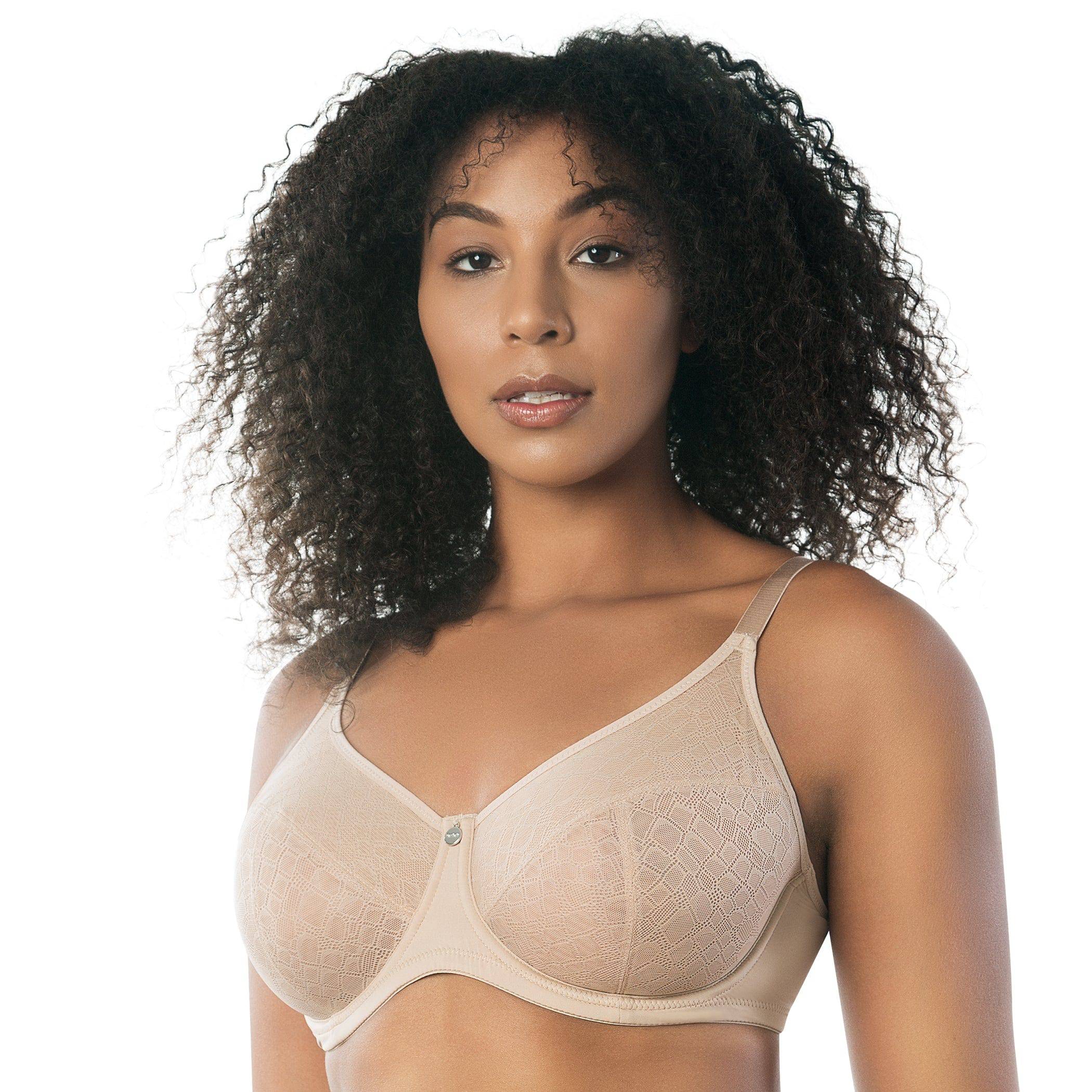
DDD–G+ cups: Full-coverage bras, side support panels, underwire styles
-
Sports bra for high-impact activities: Provides strong support and minimizes movement during exercise
-
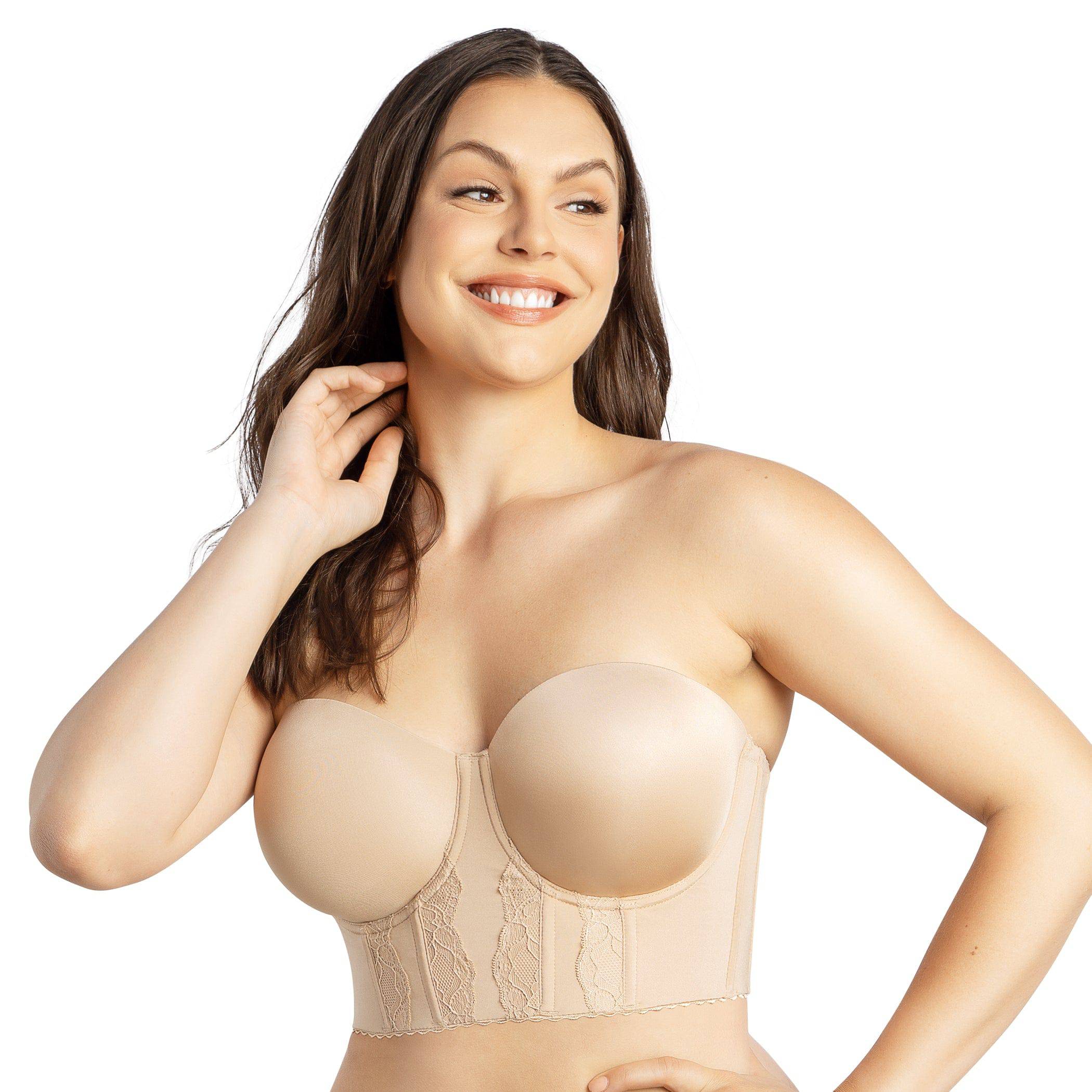
Strapless bra for outfits that require no visible straps: Ideal for off-shoulder or strapless garments
Having many bras for different occasions and needs is important for comfort, proper support, and outfit versatility.
Shopping online can provide access to a wider range of sizes and styles, especially for those with less common measurements.
Choosing styles designed for your cup size enhances both comfort and aesthetics.
Consumer Measurement Difficulties
Measuring your bra size at home can be surprisingly tricky, and many women struggle to get an accurate fit. One reason is the complexity of bra construction, each bra can have up to 48 different parts, and sizing systems vary between brands and countries. This means that the same label size might fit differently depending on where you shop.
Getting an accurate band size and cup size is further complicated by individual body type and breast shape. For example, the way breast tissue is distributed, or how your rib cage is shaped, can affect how a bra fits, even if you use a measuring tape correctly. Breast volume and shape can also change throughout the month due to hormonal shifts, weight changes, pregnancy, or medical conditions, making it hard to rely on a single measurement.
Even small factors like breathing or posture can alter your band measurement and bust size. For the most accurate results, stand straight with your arms at your sides and wear a properly fitted bra when you measure. Remember, bra size is an approximate fit and may need to be adjusted as your body changes. Don’t be discouraged if you need to try a few sizes or styles to find the right bra cup and band for your unique shape, finding a fitted bra is a journey, not a one-time event.
How Often Should You Recheck Your Cup Size?
Your cup size can change due to:
-
Weight fluctuations
-
Hormonal changes
-
Pregnancy or breastfeeding
-
Aging
-
Lifestyle or exercise changes
Regular wear can also cause bras to stretch out or lose support over time, so it's important to reassess your fit periodically.
Experts recommend checking your bra size every 6–12 months or whenever your bras stop fitting comfortably.
Final Thoughts
Bra cup size isn’t just a letter, it’s a measurement of proportion, balance, and support. Understanding how cup size works empowers you to shop smarter, feel more comfortable, and choose bras that truly support your body.
At Olivia Paisley Intimates, we believe that every woman deserves a bra that fits beautifully because confidence starts with comfort.