What Are Girdles? A Complete Guide
A Complete Guide to This Classic Yet Still-Popular Shapewear Essential
Girdles have been around for decades, evolving from vintage foundation garments to today’s modern shapewear. While once associated with strict, structured undergarments, the modern girdle is comfortable, flexible, and designed to smooth the body rather than restrict it. A girdle is a form fitting foundation garment worn for aesthetic or medical reasons, providing support and shaping to the lower torso.
If you’ve ever wondered what girdles are, how they work, or whether they’re still relevant today, this guide explains everything you need to know.
What Is a Girdle?
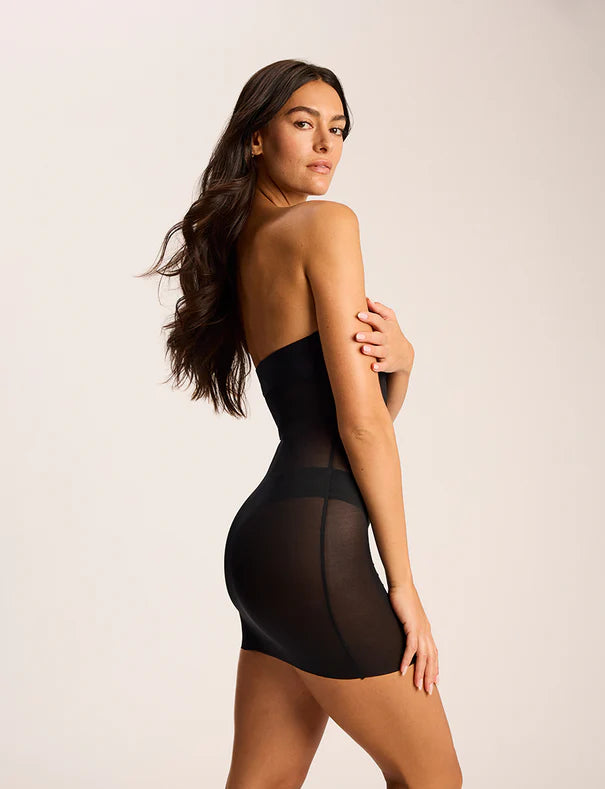
A girdle is a type of shapewear, undergarment, and tight fitting undergarment designed to smooth, support, and shape the midsection, hips, and sometimes the thighs. Traditionally worn under dresses and skirts, girdles help create a streamlined silhouette by gently compressing targeted areas.
Unlike corsets, which use boning and laces, girdles rely on stretchy, supportive fabrics to shape the body comfortably. Modern girdles are also referred to as compression garments and body shapers, and are commonly worn as underwear or foundational garments under clothing.
What Do Girdles Do?
Modern girdles serve both functional and aesthetic purposes, providing three main benefits:
-
Improved posture and back support
-
Enhanced comfort during daily activities
-
Aesthetic improvement of the body's silhouette, helping to create a more attractive appearance
1. Smooth the Midsection
They create a sleek look under clothing by smoothing the tummy, waist, and hips.
2. Provide Light to Firm Compression
Compression works by tightly hugging the body to support the core, flatten the stomach, and enhance curves without feeling restrictive.
3. Improve Clothing Fit
Girdles help dresses, skirts, and fitted fabrics lie flat, preventing bunching and creating a polished silhouette. Different styles of girdles can improve the fit of a dress or other garments, ensuring the right support and smoothness for each outfit.
Types of Girdles
1. Waist Girdles (Waist Cinchers)
Designed to smooth the waist and lower belly.
-
Great under fitted tops and dresses
2. High-Waist Girdles
Extend from below the bust to the hips.
-
Smooths the entire midsection
-
Helps prevent muffin-top or waistband lines
3. Long-Leg Girdles (Panty Girdles)
Include the hips, butt, and thighs.
-
Some long-leg girdles extend down to the knees for additional coverage and shaping.
-
Smooths and supports the lower body, including the buttocks, under dresses or pants, and helps prevent thigh chafing.
4. Open-Bottom Girdles (Vintage Style)
Classic retro design with garter straps for stockings.
-
Offers firm shaping with a nostalgic look
5. Postpartum or Medical Girdles
Provide support after childbirth or surgery. These girdles are also used for medical reasons and as part of medical treatment, offering gentle compression and recovery support.
How Modern Girdles Differ From the Past
Decades ago, girdles were sturdier, less flexible garments made from heavy elastic panels. Today’s versions use lightweight, breathable fabrics like:
-
Nylon
-
Spandex
-
Microfiber
-
Power mesh
Choosing the right material is essential for both comfort and durability, as different materials like polyamide and elastane offer varying levels of support and require specific care. Similarly, mini hair clips come in various materials to provide style and functionality in hair accessories.
These materials offer targeted shaping without restricting movement or comfort. Modern girdles are designed for all-day wear, whereas vintage girdles were more structured and rigid.
To ensure your girdle maintains its elasticity and lasts longer, proper care is crucial. Always wash your girdle by hand or on a gentle cycle in cold water, use mild detergent, and avoid bleach to protect delicate materials like polyamide and elastane.
Who Can Benefit From Wearing a Girdle?
Any person seeking support or shaping can benefit from girdles. Girdles are helpful for anyone who wants:
-
Comfortable tummy control
-
Light back support
-
Better fit in form-fitting outfits
-
Confidence for special events
Girdles also extend their benefits to people with different needs, such as postpartum recovery or athletic support.
They’re especially popular for weddings, photo shoots, professional attire, and evening wear.
How to Choose the Right Girdle
1. Determine Your Compression Level
-
Light for daily smoothing
-
Medium for shaping
-
Firm for special-occasion contouring
2. Choose a Style Based on Your Outfit
-
High-waist for dresses
-
Long-leg for skirts or pants
-
Waist cincher for tops and casual outfits
3. Pick the Right Size
Sizing down leads to discomfort and rolling. Choose your true size for the best smoothing effect.
4. Look for High-Quality Fabric
A good girdle should offer stretch, breathability, and durability.
Are Girdles Still Popular Today?
Absolutely. While the traditional term “girdle” isn’t used as frequently, the modern versions, shapewear shorts, smoothing briefs, high-waist shapers, waist cinchers, and tights, are everyday essentials for many women, with tights serving as a popular evolution and alternative to traditional girdles.
The renewed interest in vintage fashion has also brought classic open-bottom girdles back into style.
Final Thoughts
Girdles have come a long way from their vintage origins. Today’s girdles offer comfortable, flexible shaping that enhances the natural figure without feeling restrictive. Whether you want tummy smoothing, hip shaping, or overall support, a well-designed girdle can make clothing fit more beautifully and boost your confidence.