Understanding N Cup Size: Expert Support
Understanding N Cup Size: Expert Support for Ultra Full Busts
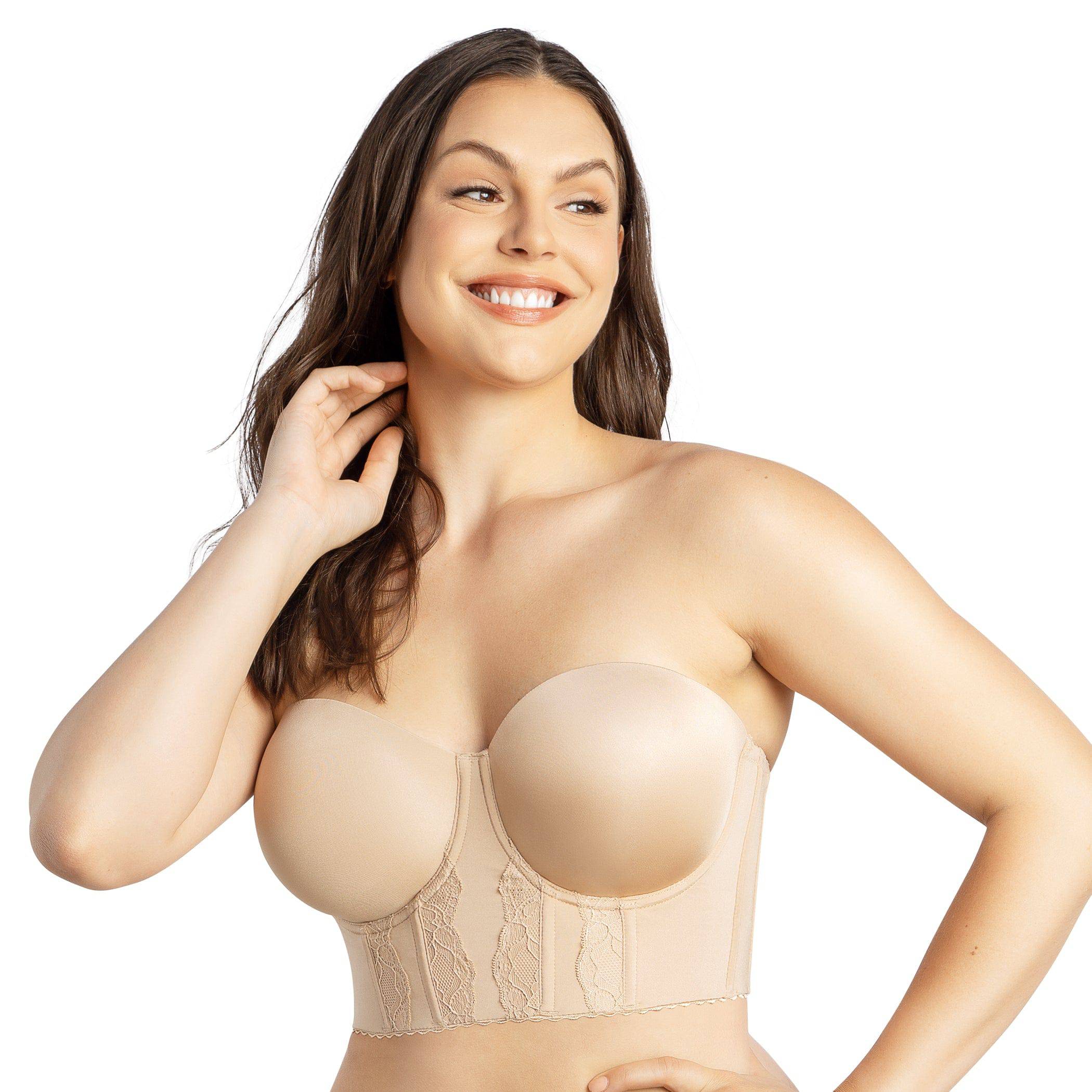
An N cup size represents one of the fullest bust proportions in modern bra sizing, and it requires precision engineering, expert fit, and thoughtful design to feel truly comfortable. At Olivia Paisley Intimates, we believe that women with ultra-full busts deserve bras that deliver uncompromising support without sacrificing beauty or confidence.
Many women struggle to find a comfortable bra due to wearing the wrong size, and surveys indicate that 70-85% of women wear incorrectly fitted bras. Achieving the correct fit is essential for comfort and support, and a comfortable bra can make a significant difference in daily life.
An N cup is considered one of the largest standard cup sizes available in the United States, and is often the limit for many U.S. retailers, with only some specialty brands offering sizes beyond N.
The modern bra was invented by Mary Phelps Jacob, who patented her design using silk handkerchiefs and ribbons. The term 'cup' was first used to describe bras in 1916, and in 1932, S.H. Camp and Company introduced the use of letters (A, B, C, and D) to indicate cup size. Band sizes became popular in the 1940s, shaping the sizing system we use today.
This guide explains what an N cup size means, how it differs from other large cup sizes, and what to look for when shopping for bras that truly work. Larger cup sizes, including N, are usually harder to find in retail outlets, but many large cup sizes are readily available online, so shopping online can provide a wider size range. Having a broad size range is important to accommodate women with ultra-full busts and ensure a better fit.
Introduction to Bra Sizing
Bra sizing is more than just picking a letter and a number, it’s about understanding how your unique body shape translates into a comfortable, supportive fit. The two main components of bra sizing are the band size and the cup size. The band size is the measurement taken around your rib cage, just beneath your bust, while the cup size is determined by the difference between your bust measurement (the fullest part of your breasts) and your band size. Together, these measurements help you find a well fitting bra that supports your bust and feels comfortable all day.
A properly fitted bra can make a world of difference, not only in how your clothes look but also in how you feel. The right bra size can improve posture, reduce discomfort, and boost confidence. With so many bra styles available, from full coverage to balconette and beyond, understanding your cup and band size is the first step to discovering which bras will suit your body and lifestyle best. Whether you’re shopping for everyday wear or a special occasion, knowing your correct bra size ensures that your bra fits correctly, supports your bust, and enhances your natural shape.
Measuring Band Size
Getting the band size right is essential for finding a bra that offers enough support and feels comfortable throughout the day. To measure your band size, simply wrap a soft measuring tape around your rib cage, just under your bust. Make sure the tape measure is level and snug, but not too tight, and keep it parallel to the floor for the most accurate reading. Note the measurement in inches, and round up to the nearest even number, so if your measurement is 31 inches, your band size would be 32.
Bra band sizes can vary between brands and styles, so it’s important to try on a few bras to see which one fits snugly and provides the right amount of support. A well fitting bra band should sit firmly around your rib cage without riding up your back or digging into your skin. You should be able to fit one or two fingers comfortably underneath the band. If the band rides up, it’s likely too large; if it leaves red marks or feels uncomfortably tight, it may be too small. By taking the time to measure your band size accurately with a measuring tape and trying on different bras, you’ll be well on your way to finding the correct bra size and a comfortable, supportive fit for your bust.
What Does N Cup Size Mean?
Bra sizing is based on two key components: band and cup size. The band size is measured around your rib cage just under your bust, rounded to the nearest even number, while the cup size is determined by the difference between your bust size (the measurement around the fullest part of your breasts) and your chest (underbust or band) measurement. In the U.S. sizing system, cup sizes increase by one cup size for every inch difference between the bust and band measurements. For example, a one-inch difference is an A cup, two inches is a B cup, and so on.
In the United States, the standard largest cup size is an N cup, which signifies a 14-inch difference between the underbust and fullest bust measurement in U.S. sizing.
Important to remember:
- In the United States, cup sizes range from A to N, with each letter representing an increase in volume
- Cup size is relative to band size
- A 34N and a 42N require completely different construction
- N cup size is not about appearance, it’s about proportion and volume
- To measure your band size, wrap a tape measure around your rib cage just under your bust and round to the nearest even number for the most accurate fit
Cup size is relative to band size, so a C cup in a smaller band is not the same volume as a C cup in a larger band. This means that the same letter, such as C cup, can represent different volumes depending on the band size. Sister sizing refers to bras that offer the same volume in different band and cup sizes; you can find a sister size by going up in band and down in cup, or vice versa, to maintain the same volume. N cup bras are rarely found in standard retail shops and usually require shopping with specialized lingerie brands. While N is the standard largest cup size in the US, some specialty brands offer even larger sizes.
This is why expert fitting matters more than the letter itself.
Why N Cup Bras Need Specialized Construction
An N cup bust carries significant weight, which means standard bras simply aren’t built to provide adequate support. Supportive bras are essential for women with N cup sizes due to the significant weight and support needs. Without proper design, wearers may experience:
- Neck, shoulder, and upper-back pain (including neck pain, which is a common result of a bra that does not fit properly)
- Underwire discomfort or breakage
- Straps digging into shoulders
- Poor posture and fatigue
- Short bra lifespan due to stress on materials
Different brands and even one manufacturer may measure band and cup size differently, leading to variations in fit. Manufacturers aim to design bras that fit the majority of wearers, but due to differences in sizing systems, individuals often need to try several styles and brands to find the correct fit. About 25% of bra-wearing women have difficulty finding a properly fitted bra.
Surveys and studies often cite that anywhere between 70-85% of women wear incorrectly fitted bras. Signs of incorrectly fitted bras include the band digging into the torso, red marks, shoulder or neck pain, and breast overflow around the edges of the bra. Fit varies greatly by brand for larger sizes like N, making professional fitting advisable to ensure the bra fits properly.
Bras for N cup sizes must be structurally reinforced from the band up.
Essential Features in an N Cup Bra
1. Reinforced Band Support
The band should:
- Be wide and firm
- Use power mesh or reinforced fabric
- Include 3–4 hook-and-eye closures
This ensures the band, not the straps, carries most of the weight.
2. Full Coverage, Multi-Part Cups
Multi-seamed cups provide:
- Better lift and shaping
- Improved weight distribution
- Natural projection without flattening
3. Strong Underwire with Proper Depth
A high quality underwire supports and separates the bust without digging or collapsing, pairing this with a moisture-wicking, breathable fabric like modal ensures optimal comfort.
4. Side Support Panels
Side slings help center the bust and prevent outward spread, creating a more balanced silhouette.
5. Wide, Cushioned Straps
Straps should stabilize, not support alone. Wide, padded straps reduce shoulder pressure and improve comfort.
Calculating Cup Sizes and Breast Weight
Finding your perfect bra size starts with understanding how band size and cup size work together to create a supportive, comfortable fit. The process begins with two key measurements: your band size and your bust measurement. To measure your band size, simply wrap a tape measure snugly around your rib cage, just beneath your bust, making sure the tape is level and not too tight. For your bust measurement, stand straight and measure around the fullest part of your breasts, keeping the tape parallel to the floor.
The difference between your bust and band measurements determines your cup size. For example, a one-inch difference typically equals an A cup, two inches a B cup, and so on. The use of double letters (such as JJ, KK, etc.) has been common in some sizing systems, but some Italian and European manufacturers are moving toward a 2-cm step system, especially in European sizing. International sizing systems may use letters like J, K, and L, and sizing can vary greatly between countries and brands. The use of cup sizing and band measurement systems has evolved over time and continues to change. However, it’s important to remember that cup size is not universal, different countries and brands use varying systems. European bra sizes, for instance, increase cup volume in 2 cm increments, which can make finding the correct bra size a challenge when shopping online or across international brands. Larger sizes are usually harder to find in retail outlets, and as the cup size increases, the labeled cup size of different manufacturers' bras tends to vary more widely in actual volume.
Breast tissue, shape, and density all play a role in how a bra fits. While the average breast weighs about 0.5 kg (1.1 lbs), this can vary widely. The actual weight depends on the volume and density of your breast tissue, which is why two women with the same cup size may have different experiences with support and comfort. Calculating exact breast weight requires specialized tools, but for everyday bra shopping, focusing on how the bra fits and feels is far more practical.
A properly fitted bra should fit snugly around your rib cage, fully support your breasts, and feel comfortable against your skin. If the cup is too small, you may notice spillage or red marks; if it’s too large, the bra won’t provide enough lift or support. Trying on several sizes and styles is the best way to find a bra that fits your unique body and breast shape. For women with unique breast shapes or who cannot find a proper fit in standard sizes, custom made bras are an option.
Best Bra Styles for N Cup Size
- Full Coverage Bras: Designed for maximum containment and daily wear comfort.
- Balconette Bras: Provide lift and shaping while maintaining strong support.
- Minimizer Bras: Reduce projection under clothing while keeping structure intact.
- Advanced Wireless Bras: With reinforced seams and support zones, wire-free options can be surprisingly effective.
How an N Cup Bra Should Fit
A well fitting bra is essential for comfort and support. A properly fitted N cup bra should:
- Sit level and snug around the ribcage
- Fully contain breast tissue without spillage; if breast tissue overflows the bottom of the bra or under the armpit, it indicates that the cup size is too small
- Rest comfortably against the sternum
- Keep straps secure without digging; if the straps dig into the shoulder, it indicates that the bra band is not offering enough support and a smaller band size may be necessary, as the band should provide most of the support
- Feel supportive without restriction; if the band rides up the torso at the back, it indicates that the band size is too big, and if the band digs into the flesh, causing the flesh to spill over the edges, it indicates that the band is too small
Studies have revealed that the most common mistake made by women when selecting a bra is choosing too large a back band and too small a cup, which can lead to discomfort and poor support. Bra sizes are only an approximate fit due to lack of standardization between brands and countries, so trying on a few bras within your size range is the best way to find the right fit. Sister sizes refer to bras that offer the same cup volume in different band and cup sizes, and can help you find a better fit if your usual size is unavailable.
It is important to retake your measurements each time you shop for new bras, as body proportions can change over time.
Comfort is not optional, it’s essential.
Common Myths About N Cup Sizes
“N cup bras are impossible to find.” They're less common, but they do exist when designed intentionally.
“You must wear underwire.” While underwire helps, advanced wireless designs can still provide support.
“Large cup bras can't be attractive.”
Support and style should never be mutually exclusive.
Caring for N Cup Bras
- Hand wash or use a lingerie bag
- Air dry to preserve elasticity
- Rotate bras regularly
- Store carefully to maintain cup structure
- For more on discreet essentials, see nude G-string underwear
Proper care significantly extends the life of high-support bras.
Final Thoughts
An N cup size requires more than standard sizing, it demands engineering, empathy, and expertise. With the right fit and thoughtful design, women with ultra-full busts can enjoy bras that lift, support, and flatter, without discomfort.
At Olivia Paisley Intimates, we design with real bodies in mind, because every woman deserves comfort, confidence, and beautifully made lingerie, no matter her cup size.