Tough Fabric Guide: What Makes Fabric Durable?
When it comes to clothing, especially lingerie, activewear, and everyday essentials, tough fabric plays a crucial role in performance, comfort, and longevity. But what exactly makes a fabric “tough,” and how do you choose the right one for your needs?
At Olivia Paisley Intimates, we believe durability should never come at the expense of comfort. This expert guide breaks down what tough fabric means, which materials are the most durable, and how to choose high-performance fabrics that last.
Discover our selection of tough fabrics to find the perfect fit for your next project.
What Is Tough Fabric?
Tough fabric refers to textiles that are strong, resistant to wear and tear, and able to maintain their structure over time. These fabrics are designed to withstand:
- Repeated washing
- Stretching and movement
- Friction and abrasion
- Environmental exposure (heat, moisture, chlorine)
Tough fabrics are especially well-suited for demanding environments, such as workwear. Durability is a key factor when shopping for workwear fabrics, and choosing the right fabric is crucial for ensuring longevity and performance.
Durability is especially important in garments that require support and flexibility, such as bras, shapewear, and swimwear.
Key Characteristics of Tough Fabrics
Not all fabrics are created equal. Tough fabrics typically share these features:
Tough fabrics are specifically designed for heavy use and are made from resilient fabrics such as polyester, nylon, canvas, denim, or heavy cotton blends.
- High tensile strength
- Resistance to abrasion and tearing
- Ability to withstand repeated washing and exposure to the elements
Tough fabrics often exceed 30,000 to 100,000 rubs in abrasion resistance tests, making them ideal for resisting thinning and tearing.
High Tensile Strength
Resists tearing or breaking under stress
- Tough fabric is designed to withstand significant force without tearing or breaking, making it ideal for demanding environments.
- Some tough fabrics, such as Kevlar or Cordura, are known for their exceptional strength and ability to resist punctures and sharp materials, enhancing tear and cut resistance.
- Abrasion Resistance: Withstands rubbing and friction without damage
- Elastic Recovery: Returns to its original shape after stretching
- Moisture and Heat Resistance: Maintains integrity in different environments
- Shape Retention: Prevents sagging or distortion over time
Top Tough Fabrics Used in Apparel
Nylon
- Strong, lightweight, and smooth
- Highly resistant to abrasion
- Common in lingerie and swimwear
High denier counts, such as 600D polyester, indicate thicker, stronger fibers that are highly durable for gear and outdoor equipment. Nylon is also widely used in gear that requires tough fabric to withstand harsh conditions.
Polyester
- Durable and wrinkle-resistant
- Holds shape well after washing
- Often blended for performance fabrics
Polyester is an affordable option for workwear and is often sold by the yard or linear yard, making it convenient for a variety of projects.
Elastane (Spandex/Lycra)
- Provides stretch and flexibility
- Enhances comfort and movement
- Best when blended with stronger fibers
Cotton Blends
- Natural softness with improved durability
- Often reinforced with synthetic fibers
Cotton is affordable, soft, and fairly durable, making it a common choice for workwear. Cotton is also often used as a benchmark to compare other materials for durability and comfort.
Microfiber
- Fine, tightly woven fibers
- Smooth feel with high durability
- Ideal for everyday wear
Why Tough Fabric Matters in Lingerie
In bras and intimates, fabric durability directly impacts:
- Support: Strong fabrics maintain lift and structure
- Comfort: Prevents sagging and uneven tension
- Longevity: Extends the life of the garment
- Fit consistency: Keeps the bra fitting properly over time
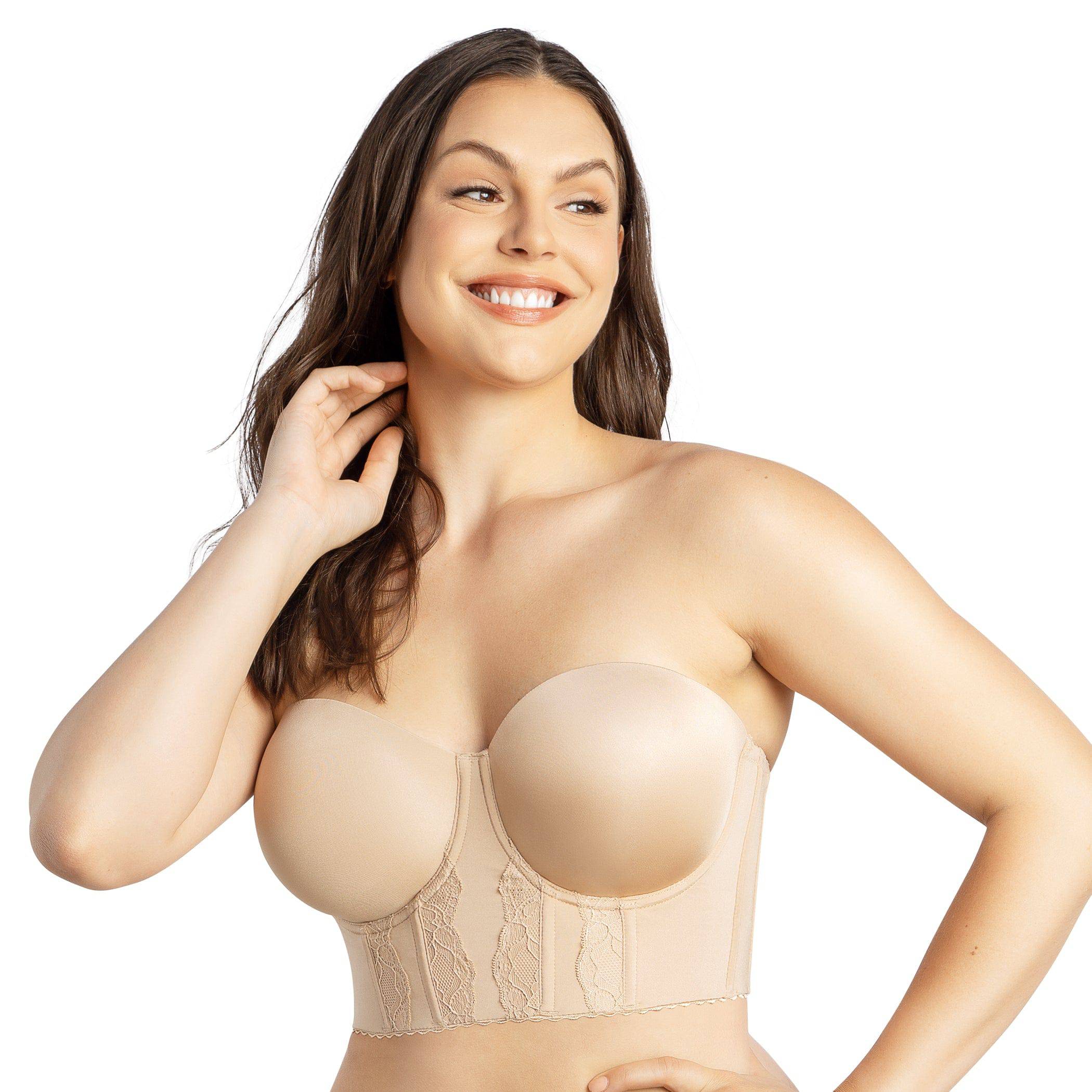
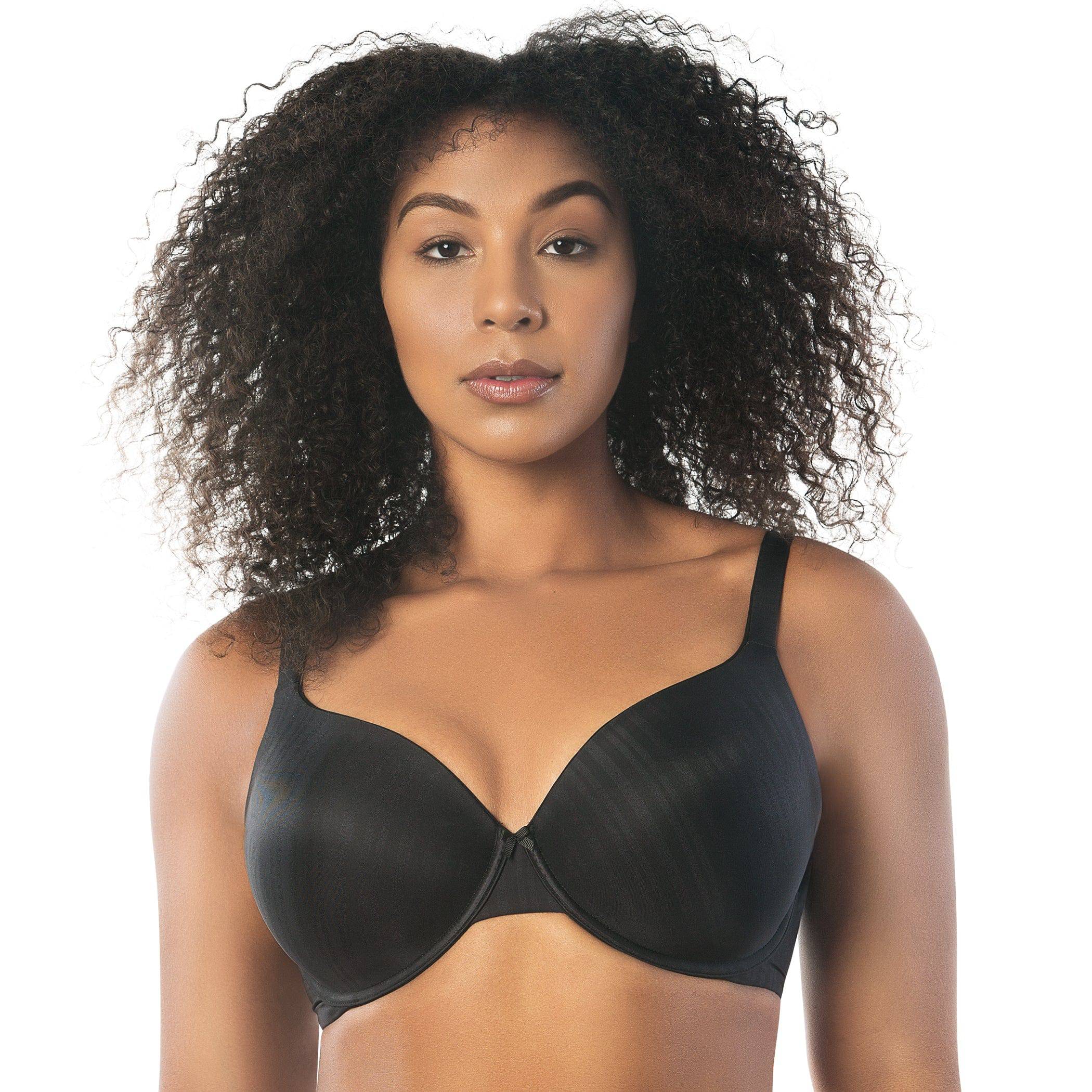
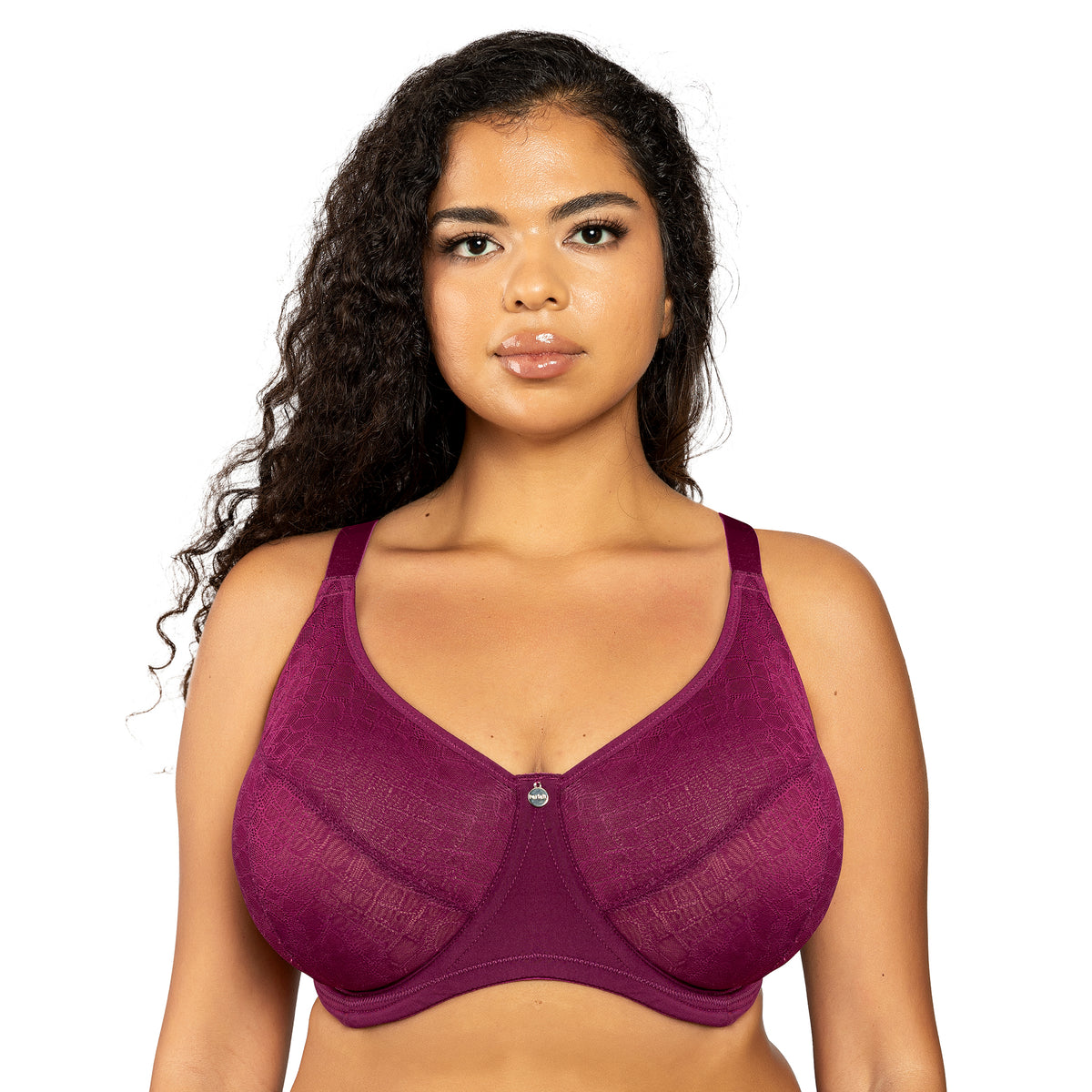
At Olivia Paisley Intimates, we carefully select fabric blends that offer both strength and softness, ensuring every piece performs beautifully in our innovative shapewear collection.
Tough Fabric vs Soft Fabric: Finding Balance
A common misconception is that tough fabrics are stiff or uncomfortable. In reality, modern textiles combine:
- Durability from fibers like nylon or polyester
- Comfort from elastane and advanced weaving techniques
The goal is balanced performance, fabric that feels soft against the skin while remaining resilient.
Best Uses for Tough Fabrics
Tough fabrics are ideal for:
- Bags, upholstery, outdoor gear, and other heavy-use applications – for durability and resilience in demanding environments
- Bras and lingerie – for consistent support
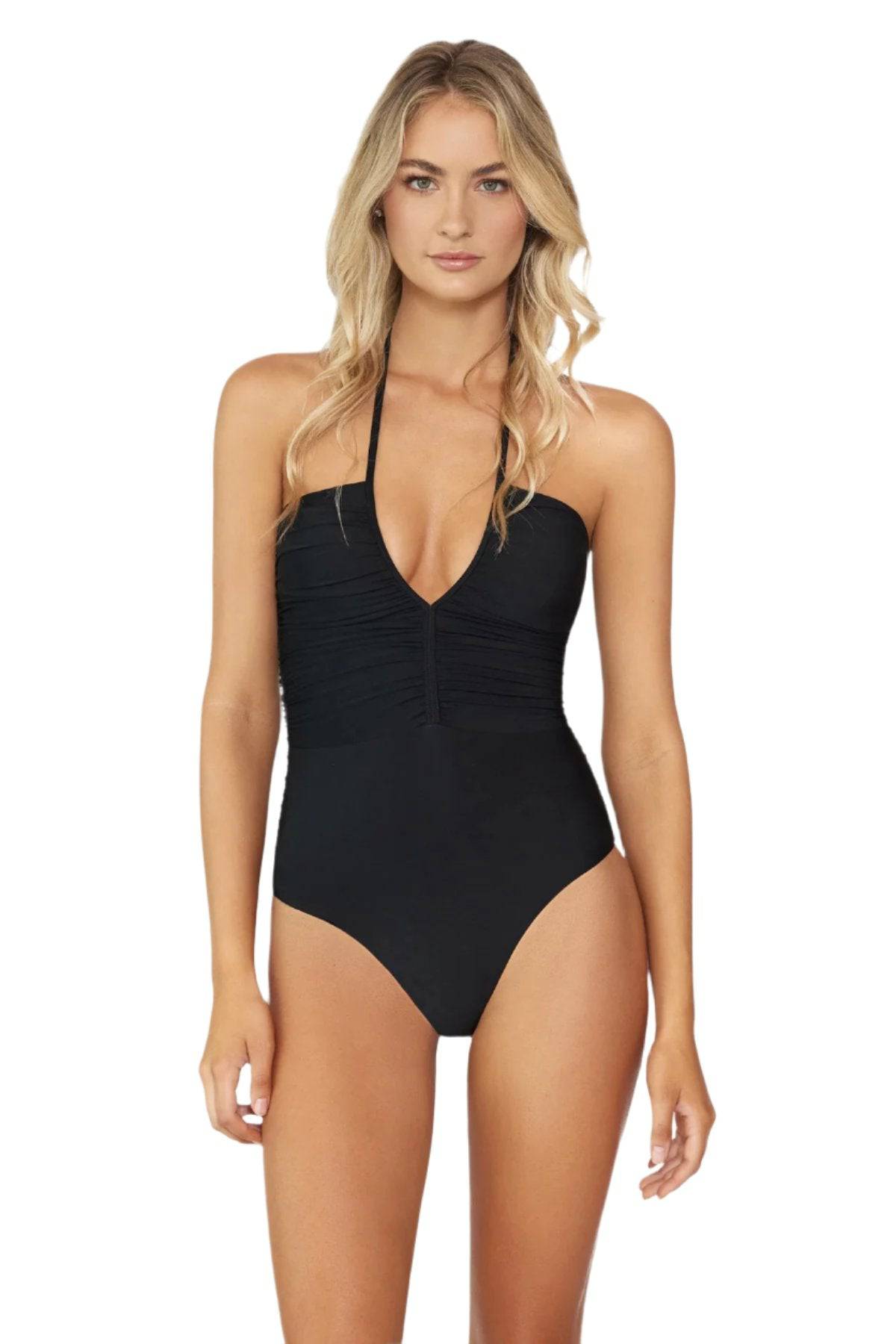
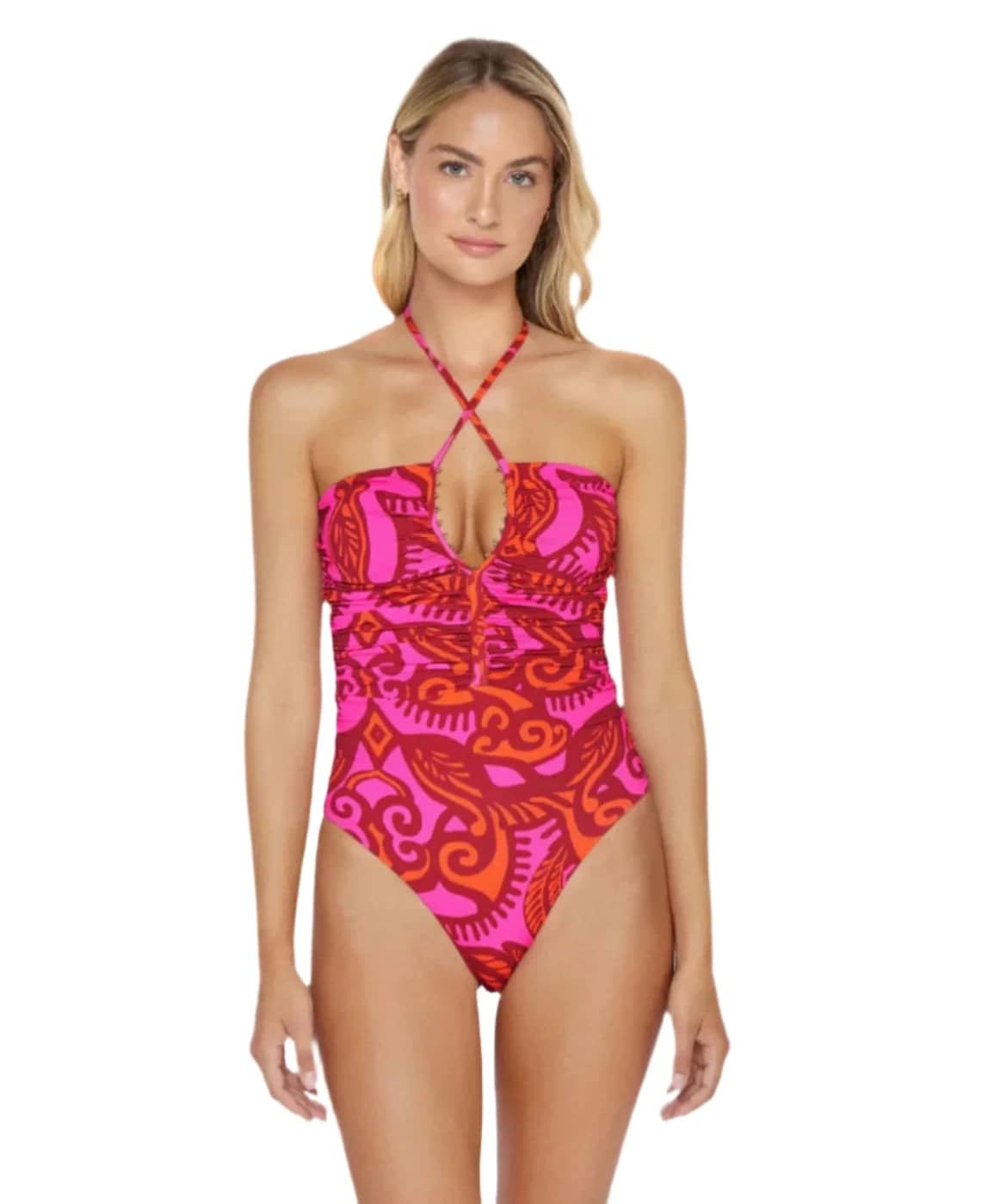
- Swimwear – for chlorine and salt resistance, especially important when choosing supportive swimwear for large busts
- Activewear – for flexibility and durability
- Shapewear – for structure and compression
Canvas and denim are commonly used for bags, upholstery, and outdoor gear due to their strength and ability to withstand heavy use. Canvas weave is renowned for its ruggedness and is commonly used in outdoor and industrial applications. Twill, canvas, and ripstop weaves are among the top contenders for durability in upholstery fabrics. Ripstop weave is engineered to prevent tears and rips from spreading, making it one of the most resilient fabric structures. Choosing the right fabric is crucial for ensuring longevity and performance in upholstery.
Choosing the right fabric ensures your garments perform well in their intended use.
How to Identify High-Quality Tough Fabric
When shopping, look for:
- Fabric blends (e.g., nylon + elastane)
- Tight, even weave
- Good recovery after stretching
- Reinforced stitching and seams
- Brand transparency about materials
The weight of a fabric, along with its texture, can indicate its durability and suitability for different uses. Different textures, such as woven patterns or unique finishes, also contribute to the tactile quality and appeal of tough fabric for various applications.
Weight and utility are important factors in determining the durability and robustness of different weaving styles. Higher-quality fabrics may feel smoother and slightly heavier due to better construction.
Care Tips to Maintain Tough Fabrics
Even the most durable fabrics need proper care:
- Wash in cold water
- Avoid harsh detergents and fabric softeners
- Air dry instead of using high heat
- Store garments properly to maintain shape
Proper care can significantly extend the lifespan of tough fabrics. Performance fabrics often incorporate finishes that repel liquids and resist deep-seated stains, making them easier to maintain. Choosing durable fabrics can also reduce the need for frequent maintenance and replacement, saving both time and money.
Final Thoughts
Tough fabric is the foundation of long-lasting, high-performance clothing. The benefits of tough fabrics include exceptional durability, comfort, and suitability for a wide range of uses, from upholstery to apparel. Performance upholstery fabrics are suitable for both residential and commercial interiors, making them ideal for living rooms, offices, and more. These fabrics are made to give peace of mind in living spaces, being both kid-friendly and pet-friendly. Many performance fabrics are crafted from sustainable materials to support eco-conscious choices. Crypton fabrics, for example, are woven to handle everything life throws at them without bringing harsh chemicals into your home. Whether you’re choosing lingerie, swimwear, or everyday essentials, understanding fabric durability helps you invest in pieces that support your body, maintain their shape, and stand the test of time.
At Olivia Paisley Intimates, we design with purpose, combining durable materials with thoughtful construction to create pieces that feel as good as they perform. Explore our lingerie, swimwear, and bra collection to find the perfect fabric for your next project.