How to Choose Shapewear That Feels Comfortable & Works With Your Wardrobe
Key Takeaways
- Choose shapewear based on your actual measurements, not the size you hope to wear. Sizing down does not automatically create better shaping.
- Match the compression level to the occasion. Light or moderate compression often works well for everyday outfits, while firmer compression may suit more structured looks.
- Think about your clothes before buying shapewear. Necklines, hemlines, waistlines, and fabric weight all affect which style will work best.
- Comfort is part of a good fit. Shapewear should feel secure without constant rolling, pinching, bunching, or readjusting.
- You do not need one piece to work with every outfit. A small selection of versatile styles can cover different wardrobe needs more effectively.
Learning how to choose shapewear starts with three things: the fit, the level of compression, and the clothes you plan to wear over it. The right shapewear should feel secure and supportive while allowing you to sit, walk, and move comfortably. It should also complement your outfit rather than create new lines, bunching, or visible edges beneath your clothing. Instead of searching for the strongest possible compression, focus on the style that provides the right amount of smoothing for your wardrobe and preferences.
How to Choose Shapewear for Your Body & Wardrobe
The easiest way to understand how to choose shapewear is to work backward from what you want it to do. Decide which area you want to smooth or support, what clothing will go over it, and how long you expect to wear it.
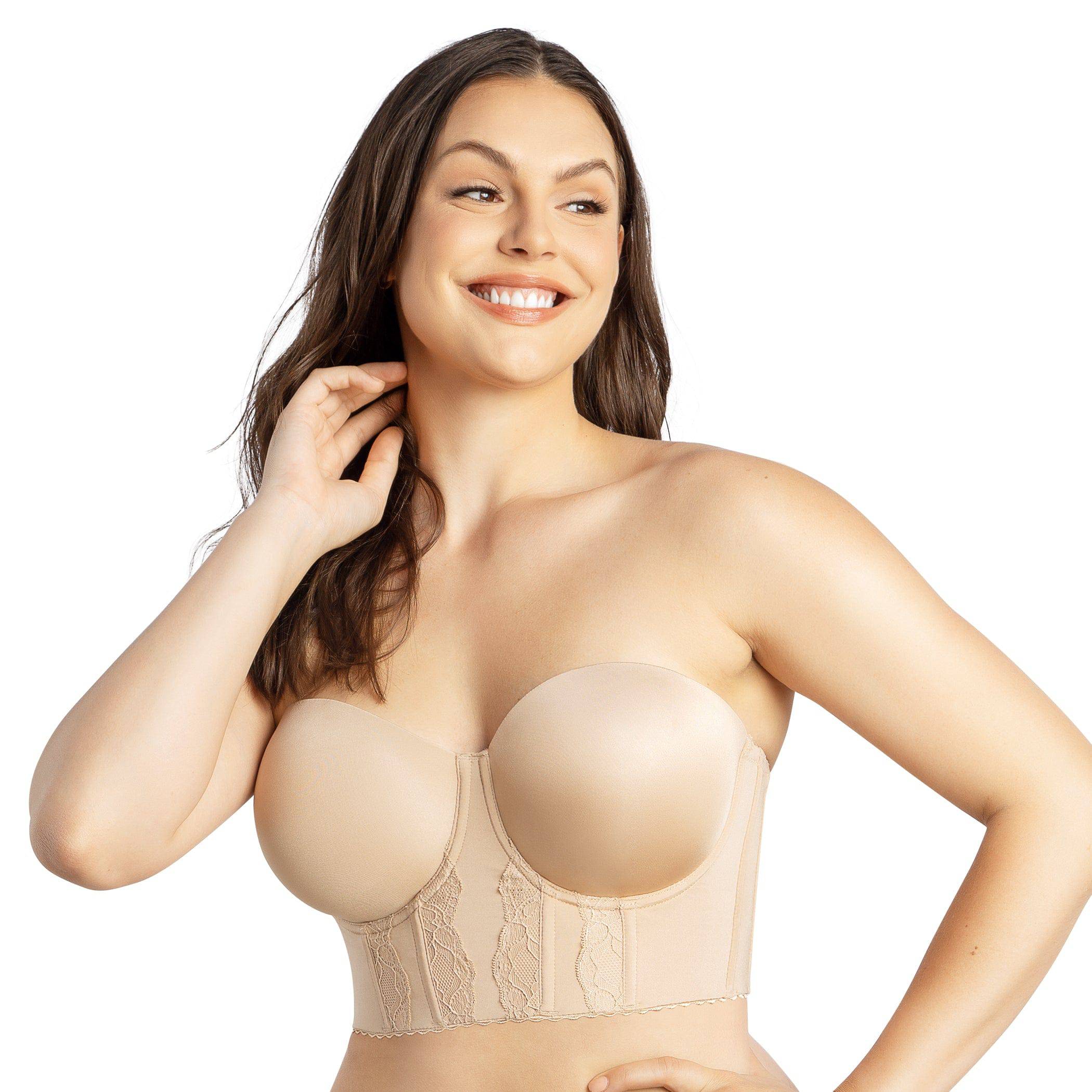
For example, shapewear worn beneath everyday pants has different requirements from a shaping layer intended for a fitted dress. Olivia Paisley carefully curates a range of comfortable shapewear with different silhouettes and levels of coverage, so the goal is to choose based on function rather than assuming one construction works for every outfit.
Start With the Area You Want to Smooth
Before buying shapewear, decide where you actually want support. Different silhouettes can focus on the waist, abdomen, hips, thighs, or a combination of several areas.
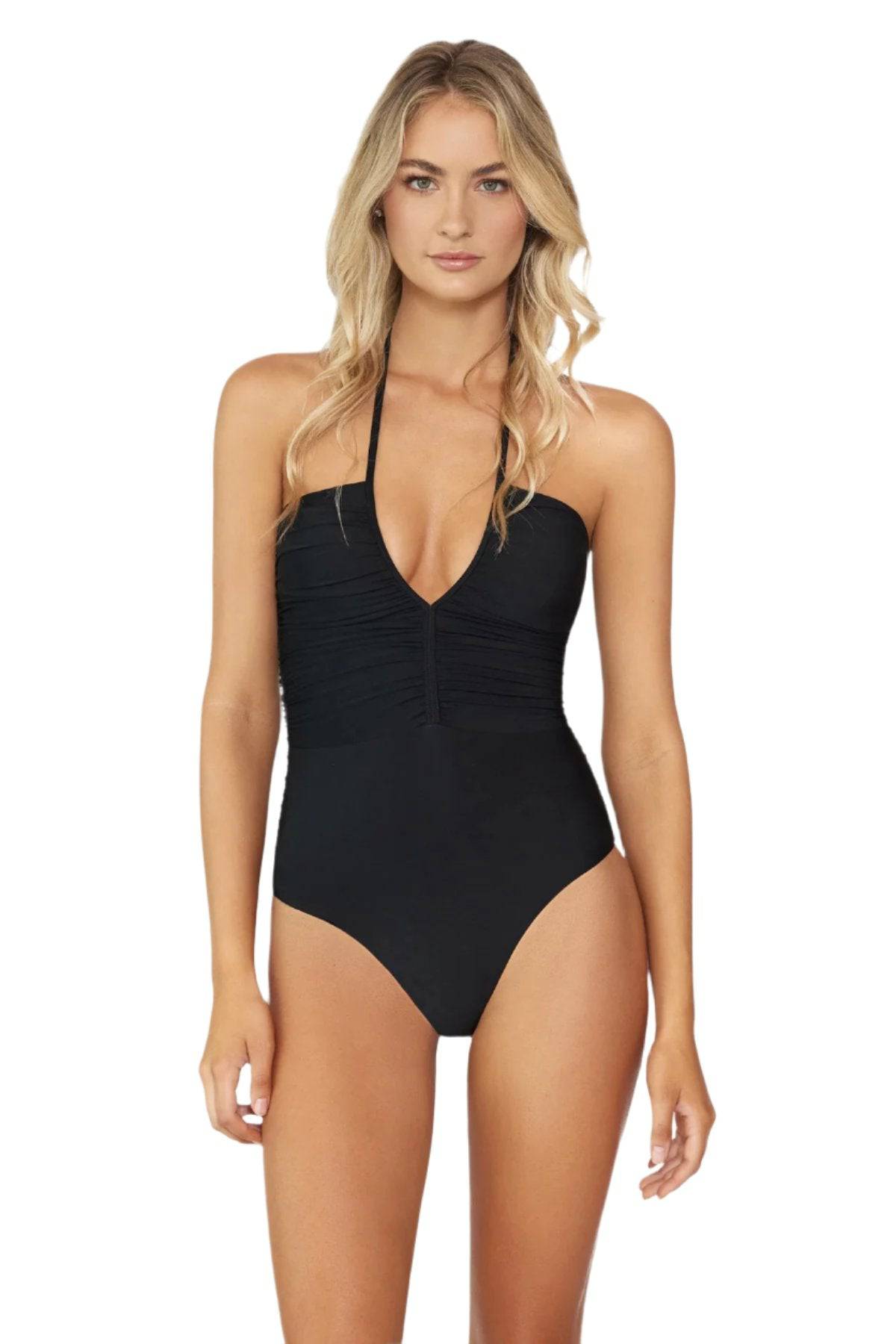
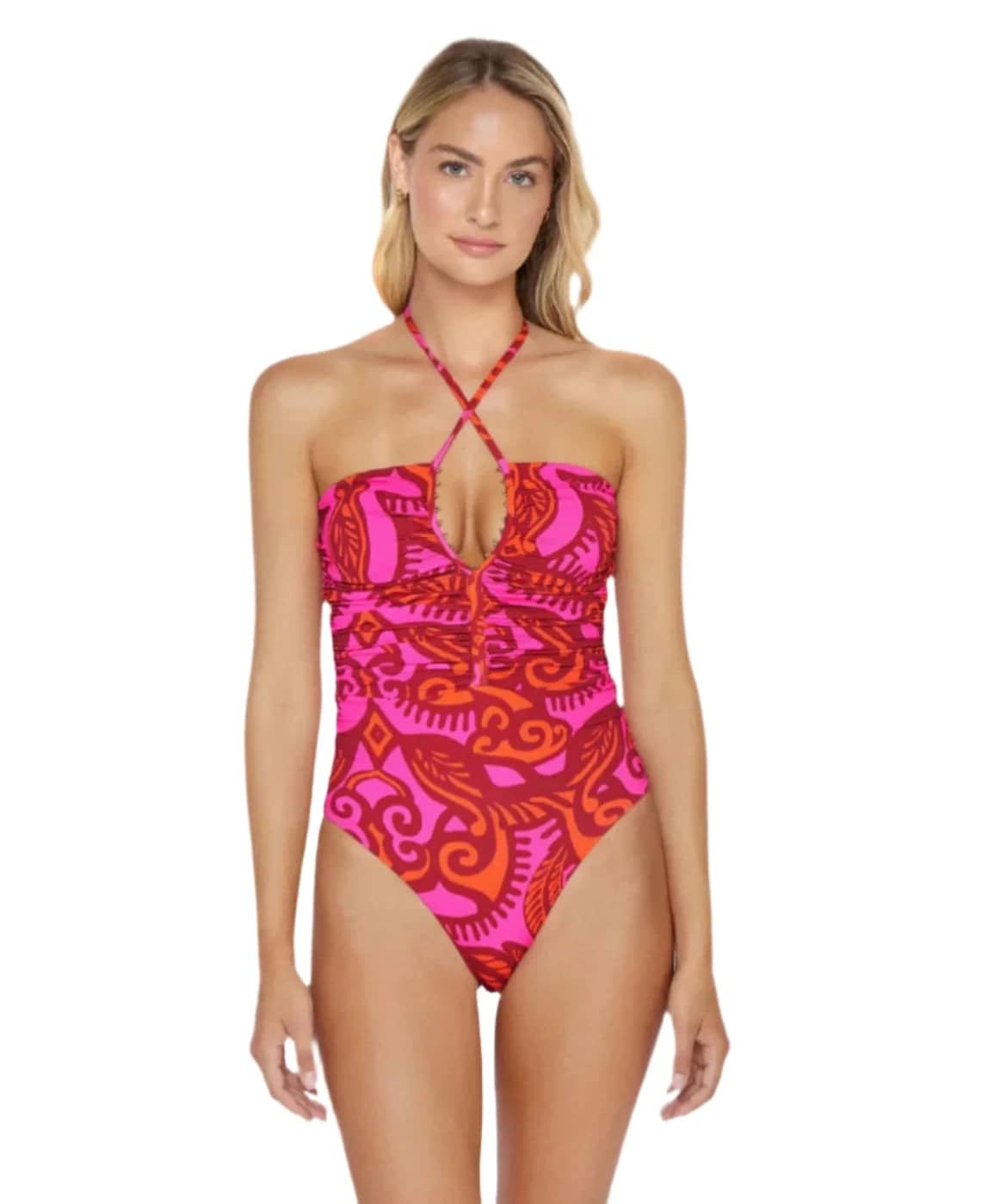
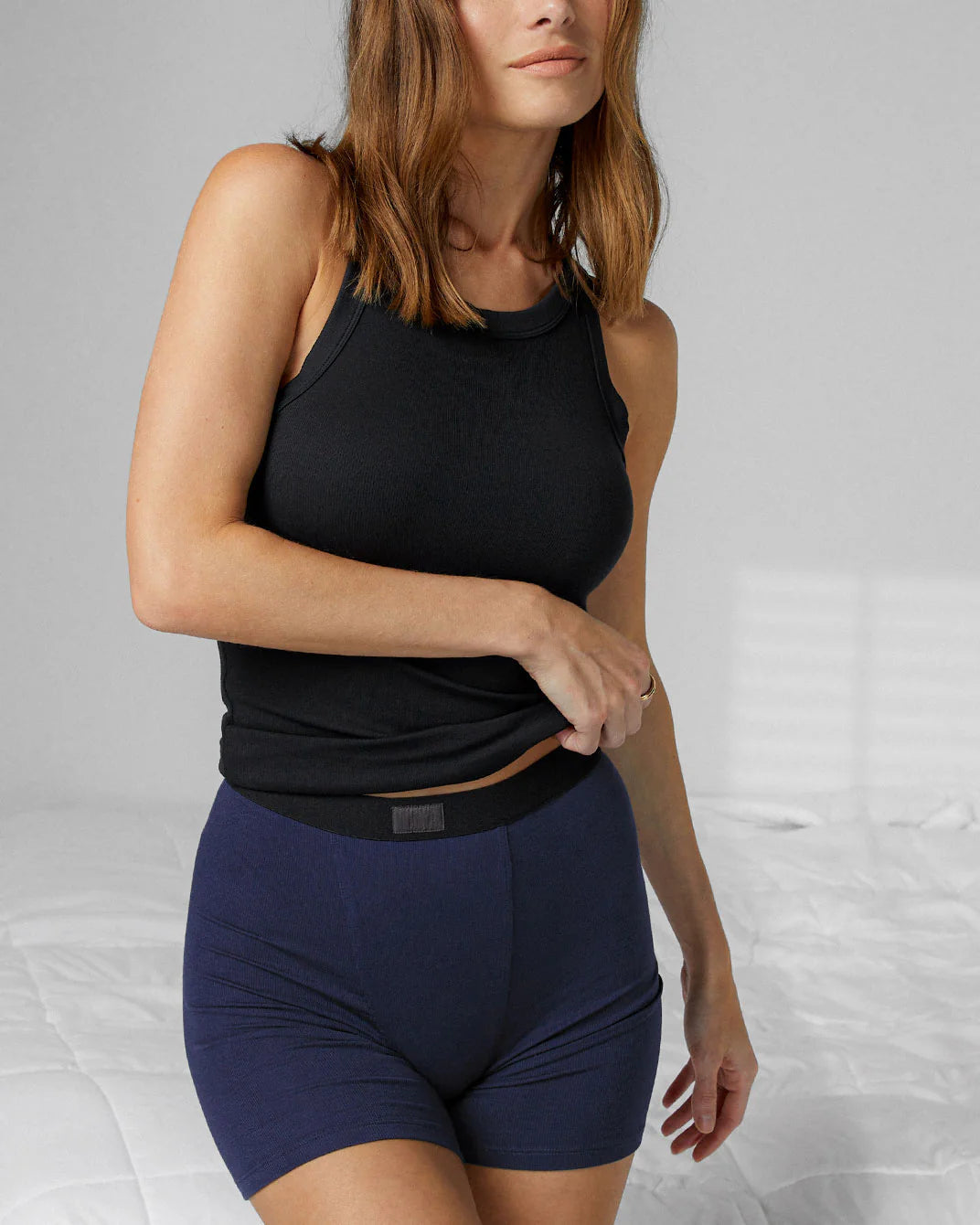
A higher-waisted style may make sense if your priority is the midsection, while shorts can extend smoothing through the hips and upper thighs. Bodysuit-style construction can create more continuous coverage across the torso, while a brief or thong silhouette provides a more targeted approach.
This is an important part of how to choose shapewear because unnecessary coverage can make a garment more complicated than your outfit requires. Choose enough coverage to accomplish your goal without automatically selecting the most extensive option.
How to Choose the Size of Shapewear Correctly

Use Your Current Measurements
If you are wondering how to choose the size of shapewear, begin with accurate measurements and the sizing information provided for the garment. Waist and hip measurements are especially useful for many shaping pieces, while bodysuit-style garments may require additional measurements depending on their construction.
Do not rely entirely on the size you usually purchase in dresses, jeans, or underwear. Sizing systems and fabric stretch vary, so checking the relevant chart gives you a better starting point than choosing from habit.
Olivia Paisley's measurement and size chart guide explains why body measurements and garment-specific sizing information are important when evaluating fit.
Do Not Automatically Size Down
A smaller shapewear size does not necessarily mean more effective smoothing. If a garment is smaller than intended, the waistband or leg openings may dig in, edges may roll, and the piece may shift instead of staying smoothly in place.
When learning how to choose the size of shapewear, look for a fit that feels close to the body without requiring you to fight the garment into position. You should be able to move naturally and wear your clothing over it without repeatedly stopping to make adjustments.
This is especially important when buying shapewear for extended wear. The garment needs to work when you are sitting, standing, walking, and moving, not simply when you first put it on.
Choose the Right Level of Compression
Light Compression for Subtle Smoothing
Light compression is useful when you want a gentle smoothing layer rather than dramatic shaping. It can work particularly well beneath casual clothing, softer fabrics, or outfits where flexibility is the main priority.
For anyone learning how to choose shapewear for regular use, lighter construction can be a practical place to start. It provides an opportunity to become familiar with how shaping garments fit and move without selecting more compression than the outfit requires.
Moderate Compression for Versatile Support
Moderate compression offers a balance between smoothing and structure. It can work beneath many office outfits, dresses, skirts, and fitted separates when you want more definition but still need comfortable movement throughout the day.
Because it falls between light smoothing and firm shaping, moderate compression is often one of the most versatile categories when building a shapewear wardrobe. The exact feel will still depend on the fabric, construction, and fit.
Firm Compression for More Structured Looks
Firm compression is designed to provide a more structured shaping effect. It can be useful for particular occasions or fitted garments when stronger smoothing is your preference.
More compression is not automatically better. When buying shapewear, choose the intensity based on your desired result and how long you plan to wear the garment rather than assuming maximum compression is the default.
Match Your Shapewear to Your Clothes

Consider the Waistline
The rise of your clothing should work with the rise of your shapewear. A high-waisted shaping piece can provide coverage beneath high-rise pants, skirts, and dresses, but the same style may extend above the waistband of lower-rise clothing.
Thinking about these proportions is essential to how to choose shapewear that disappears beneath an outfit. Try the complete outfit together whenever possible instead of judging the shapewear on its own.
Check Hemlines & Leg Openings
Shaping shorts can provide continuous smoothing through the hips and thighs, but their length needs to stay concealed beneath your clothing. A shorter skirt or dress may require a shorter shaping silhouette.
Leg openings matter as well. Look at the outfit from the front, side, and back to determine whether edges or transitions are visible, particularly beneath close-fitting fabrics.
Think About Necklines & Straps
If your shapewear extends over the torso, consider the neckline and straps of the clothing you plan to wear. An otherwise comfortable shaping piece will be less useful if its straps or neckline repeatedly appear beneath your outfit.
When deciding how to choose shapewear, treat it as part of your overall layering system. The best option supports the silhouette of the outer garment without requiring constant adjustments or limiting which neckline you can wear.
Pay Attention to Fabric Weight
Lightweight and close-fitting fabrics tend to reveal more detail underneath them than heavier or more structured materials. Seam placement, edges, closures, and changes in compression can therefore become more noticeable beneath thinner garments.
Before buying shapewear for a particular dress or outfit, consider how the outer fabric behaves when you move. A smoother construction may be preferable beneath lightweight fabrics, while thicker clothing can accommodate a broader range of shaping details.
How to Tell If Your Shapewear Fits Well
Move Around Before Making a Decision
Shapewear should be evaluated in motion. Sit down, stand up, walk, bend, and move your arms to see whether the garment stays in position.
If the waistband immediately rolls, the legs repeatedly shift, or you have to keep pulling the garment back into place, reconsider the size or silhouette. Understanding how to choose the size of shapewear means evaluating the fit during realistic movement instead of relying only on how it looks while standing still.
Look for a Smooth Transition
Effective shapewear should create a relatively smooth transition between the areas covered by the garment and the surrounding body. If an edge creates a pronounced line, changing the size, compression level, or cut may produce a better result.
The same principle applies to your outer clothing. Put the full outfit on and evaluate the overall silhouette rather than focusing closely on the shapewear itself.
Build a Shapewear Wardrobe Around What You Actually Wear
You do not need a large collection to make shapewear useful. A few thoughtfully selected pieces can cover everyday outfits, fitted dresses, workwear, and special occasions when each one solves a clear wardrobe need.
Review the clothes you wear most frequently before adding another shaping garment. This approach to how to choose shapewear keeps your collection practical and prevents you from purchasing multiple pieces that perform essentially the same function.
Care matters once you have found styles that work for you. Follow the instructions attached to each garment rather than assuming every shaping fabric should be washed the same way; the Federal Trade Commission's Care Labeling Rule guidance explains the role of garment care instructions.
Choosing Shapewear That Works for You
Knowing how to choose shapewear is less about finding the strongest garment and more about matching fit, compression, coverage, and construction to your real wardrobe. Start with accurate measurements, choose the appropriate size, and consider where the shapewear will sit beneath the clothing you wear most.
Comfort and function should work together. Olivia Paisley curates shapewear in a variety of silhouettes so you can compare different types of coverage and support according to your own wardrobe needs.
When the size and style are appropriate, shapewear should feel like a useful part of an outfit rather than something you spend the day thinking about. That practical approach makes choosing shapewear simpler and helps ensure the pieces in your lingerie drawer have a clear purpose.