How Many Bras Should I Own? A Practical Lingerie Rotation Guide
Key Takeaways
- 7 to 10 bras is a practical starting point for many women, but there is no universal number that works for everyone.
- 3 to 5 everyday bras can form the core of your bra wardrobe and make regular rotation easier.
- Specialty bras should reflect your actual wardrobe. Consider the necklines, fabrics, occasions, and activities that regularly appear in your life.
- Fit matters more than quantity. A smaller collection of well-fitting bras is more useful than a large drawer of styles that gap, pinch, ride up, or require constant adjusting.
- Regular rotation helps distribute wear across your collection. Your laundry schedule can also help determine how many everyday bras you realistically need.
If you are asking yourself, “How many bras should I own?”, a practical starting point is about 7 to 10 bras, including everyday and specialty styles. The exact number depends on how often you do laundry, what you wear, your activity level, and how many different types of support you need. For many women, 3 to 5 everyday bras form the foundation, while several additional styles cover workouts, special necklines, relaxed days, or other wardrobe needs. A thoughtful rotation gives you enough options without filling your lingerie drawer with bras you rarely wear.
How Many Bras Should I Own? Start With 7 to 10
For a balanced collection, 7 to 10 bras provide enough variety for many lifestyles without creating unnecessary excess. Think of that number as a useful framework rather than a strict rule.
When deciding how many bras you should own, start with the styles you actually wear each week. Someone who works from home and prefers relaxed clothing will have different needs from someone who regularly wears tailored workwear, exercises several times a week, or attends events requiring specific necklines.
Keep 3 to 5 Everyday Bras in Rotation
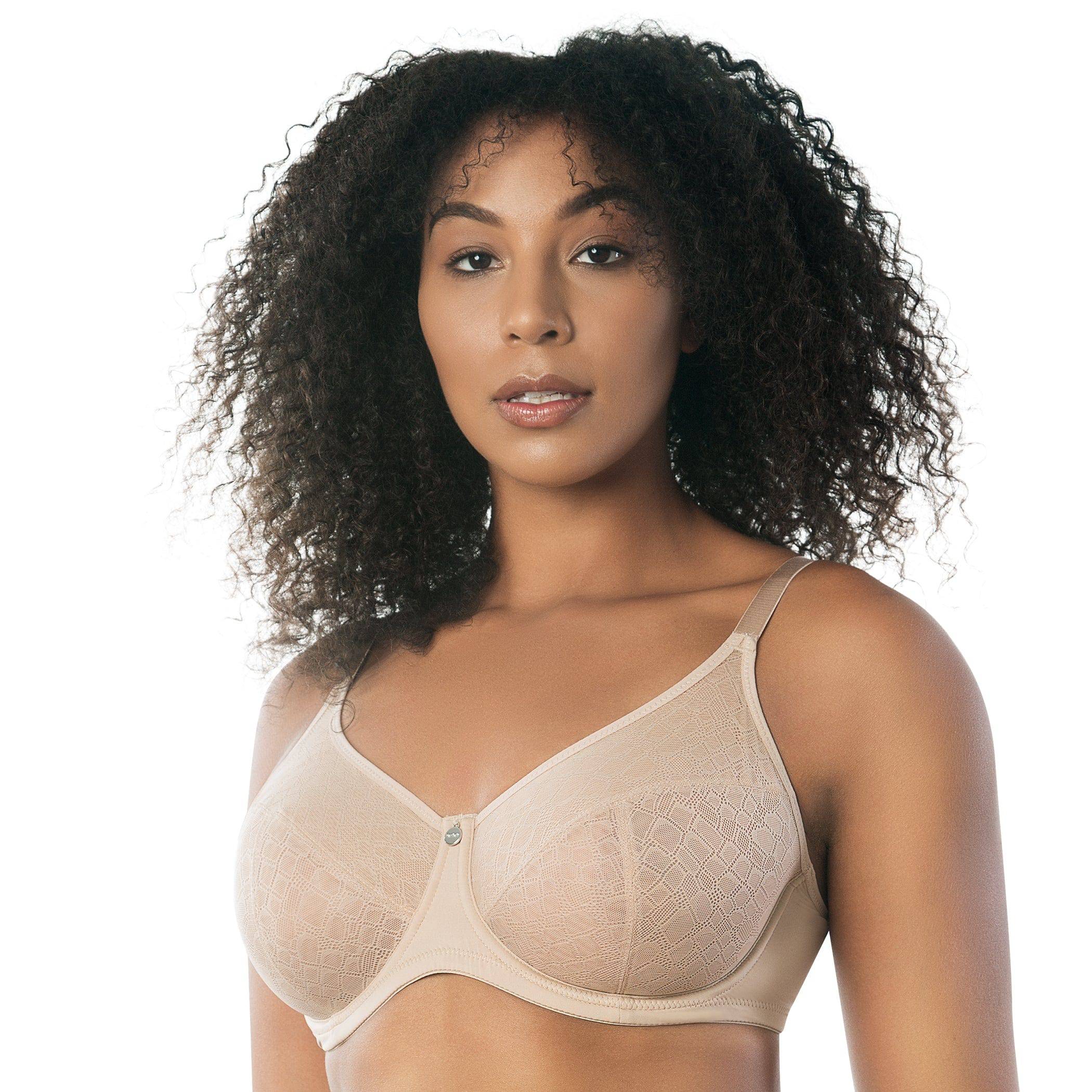
Everyday bras should make up the largest portion of your collection because they handle most of your weekly wear. Having three to five gives you enough options to alternate between bras instead of depending on the same one every day.
Your everyday bra wardrobe might include different levels of coverage, structure, lining, or color depending on your clothing. Olivia Paisley curates a variety of comfortable bras, making it easier to consider which constructions complement the pieces already in your closet.
Add 1 or 2 Bras for Specific Outfits
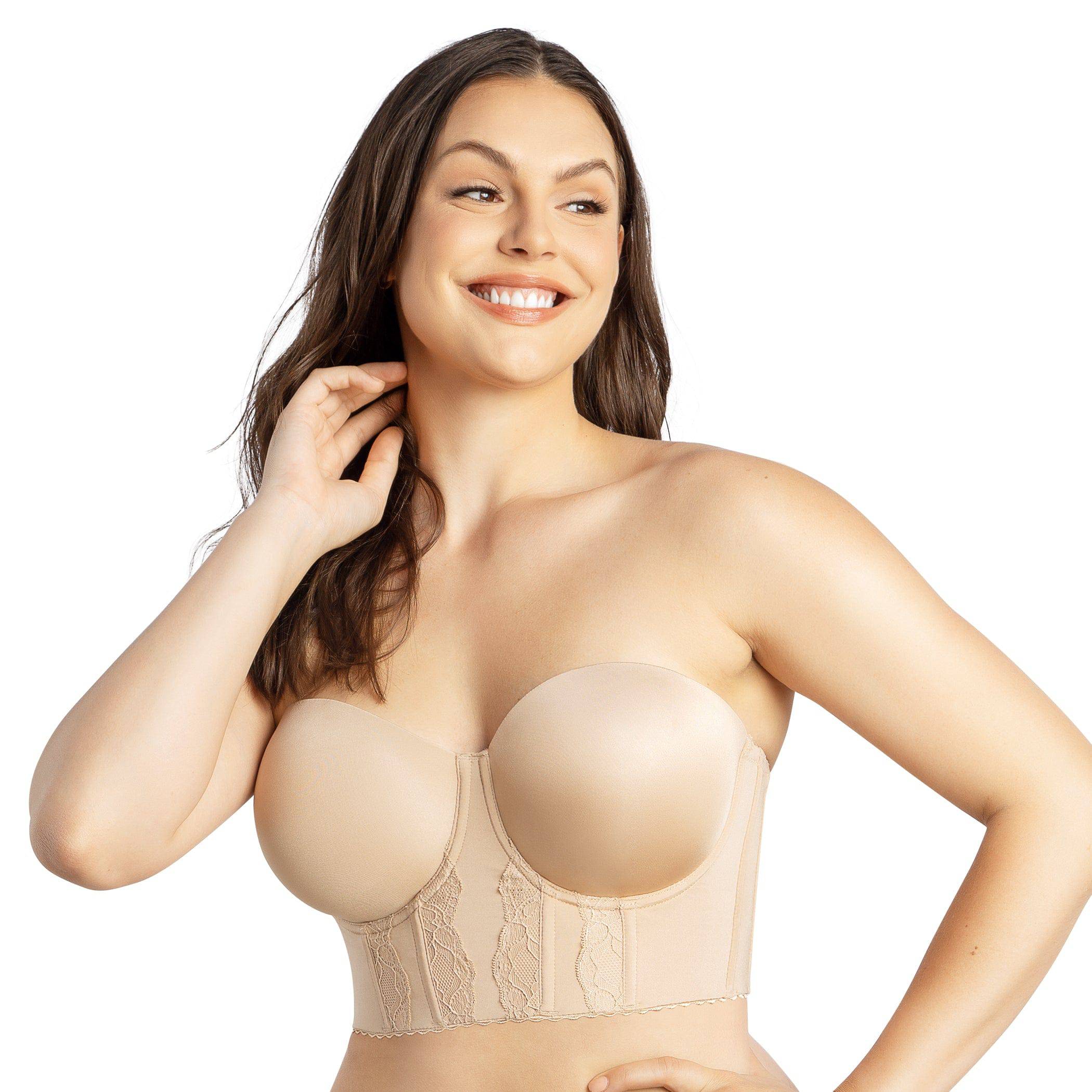
Not every bra needs to work under every outfit. A neckline or fabric that you wear only occasionally may call for a different cup shape, strap arrangement, amount of coverage, or level of structure than your everyday clothing.
Before adding several specialty styles, review your wardrobe and identify genuine gaps. When asking yourself, “How many bras should I own?”, the better question is often how many distinct clothing needs your bras must cover.
Account for Exercise & Relaxed Days
If exercise is part of your routine, keep enough activity-specific bras to match how frequently you work out and do laundry. The same principle applies if you prefer softer or less structured support when working from home, traveling, or relaxing.
These categories do not need to be equal in size. Your ideal collection should reflect how you spend your time rather than an arbitrary formula for the perfect lingerie drawer.
Build Your Bra Wardrobe Around Your Lifestyle

Look at What You Wear During a Typical Week
One of the easiest ways to answer how many bras I should own is to examine a normal seven-day period. Consider your work clothes, casual outfits, exercise routine, social plans, and anything else you wear regularly.
If most of your wardrobe works with the same two or three bra silhouettes, you probably do not need many specialty options. If you regularly switch between fitted tops, lower necklines, formal clothing, activewear, and relaxed outfits, a broader bra wardrobe is more practical.
Let Your Laundry Schedule Guide the Number
How often you wash lingerie makes a meaningful difference. Someone who washes bras frequently can usually maintain a smaller rotation, while someone who launders less often will benefit from having additional everyday options available.
Care requirements also vary by garment, so always check the instructions on the bra itself before washing or drying it. The Federal Trade Commission's guidance on clothing care labels explains why garments carry care instructions and why those directions should be appropriate for the materials and construction.
Make Sure Every Bra Still Fits
A bra only earns its place in your rotation if it fits properly. Bands can become too loose, cups may no longer suit your shape, and changes in your body can make a previously reliable size less comfortable.
Instead of counting every bra in your drawer when determining how many bras you should own, count the ones that genuinely fit and function well. If you are uncertain about your current measurements, Olivia Paisley's bra size fit guide explains how band size, cup size, and breast shape work together.
A Practical Bra Wardrobe by Category
| Bra Category | Suggested Starting Quantity | Purpose |
| Everyday Bras | 3–5 | Regular work, casual, and daily outfits |
| Specialty or Occasion Bras | 1–2 | Specific necklines, silhouettes, or dressier clothing |
| Active Bras | 1–3 | Based on workout frequency and laundry schedule |
| Relaxed or Soft-Support Bras | 1–2 | Travel, downtime, or less structured outfits |
These categories can overlap, so the totals are intentionally flexible. A bra that works equally well for your office wardrobe and weekend clothing, for example, does not need to be duplicated simply to meet a target number.
The goal of a useful bra wardrobe is coverage of your real needs, not maximum variety. When considering how many bras I should own, prioritize versatility and fit before adding another style to the drawer.
Why Rotating Your Bras Makes Sense
Spread Everyday Wear Across Several Bras
Relying on one favorite bra for nearly every outfit concentrates all of your wear on a single garment. Rotating among several bras spreads out wear across your collection and leaves you with another well-fitting option when one is being washed.
This is one reason three to five everyday styles work well as a starting point. Your rotation remains manageable while giving you enough flexibility to accommodate laundry, clothing changes, and different levels of support.
Care for Each Bra According to Its Materials
Bras combine multiple components, which can include elastic, lace, molded cups, hardware, underwires, padding, and delicate fabrics. Following the care label is the safest way to determine how a particular garment should be cleaned.
Good organization helps as well. Keep clean bras arranged so that you can see your options instead of automatically reaching for the same style each morning, and avoid crushing molded cups or forcing delicate pieces into an overcrowded drawer.
Signs Your Bra Collection Is Too Small

You Regularly Run Out of Bras You Want to Wear
If laundry day repeatedly leaves you without an appropriate everyday bra, your current rotation may be too small for your schedule. The same is true if you constantly wear a style that does not work with your outfit simply because nothing else is available.
In that situation, the answer to how many bras I should own may be one or two more than you currently have. Add strategically by identifying which existing bra gets excessive use and looking for another style that serves the same purpose.
You Have Frequent Wardrobe Gaps
A collection can contain plenty of bras and still be incomplete if none work beneath the clothes you regularly wear. Repeated problems with straps, necklines, coverage, or fit indicate a functional gap rather than a simple quantity problem.
Some minor wardrobe challenges can also be addressed with bra accessories. The goal is to make your existing collection more functional rather than buying additional bras without a clear purpose.
Signs You May Own More Bras Than You Need
Several Bras Rarely Leave the Drawer
If many bras remain unworn for months, examine why. They may no longer fit, feel uncomfortable, duplicate styles you prefer more, or simply not match your current clothing.
A streamlined bra wardrobe makes it easier to see which styles actually serve you. Instead of focusing only on how many bras you should own, periodically review whether each piece has a realistic role in your routine.
Your Size or Preferences Have Changed
Your ideal rotation can change over time. Changes in measurements, lifestyle, wardrobe, work routine, or personal preferences can all affect which bras you reach for most often.
Keeping bras simply because they once worked can make your drawer feel fuller without making it more useful. A practical collection should represent the body, wardrobe, and lifestyle you have now.
Finding the Right Number for Your Lingerie Rotation
So, how many bras should I own? For many women, 7 to 10 is a useful starting range, with three to five dependable everyday bras and the remainder selected for their actual clothing, activity, and lifestyle needs.
The right total is ultimately the number that lets you rotate comfortably between laundry days without accumulating styles you rarely use. Build your collection around fit, function, and versatility, then adjust the number as your routine changes.
Olivia Paisley carefully curates bras in a variety of styles and fits for different wardrobe needs. A thoughtful approach to your bra wardrobe makes it easier to choose pieces you will genuinely wear instead of treating a larger collection as automatically better.