Actual Cup Sizes Examples That Make Sense Explained
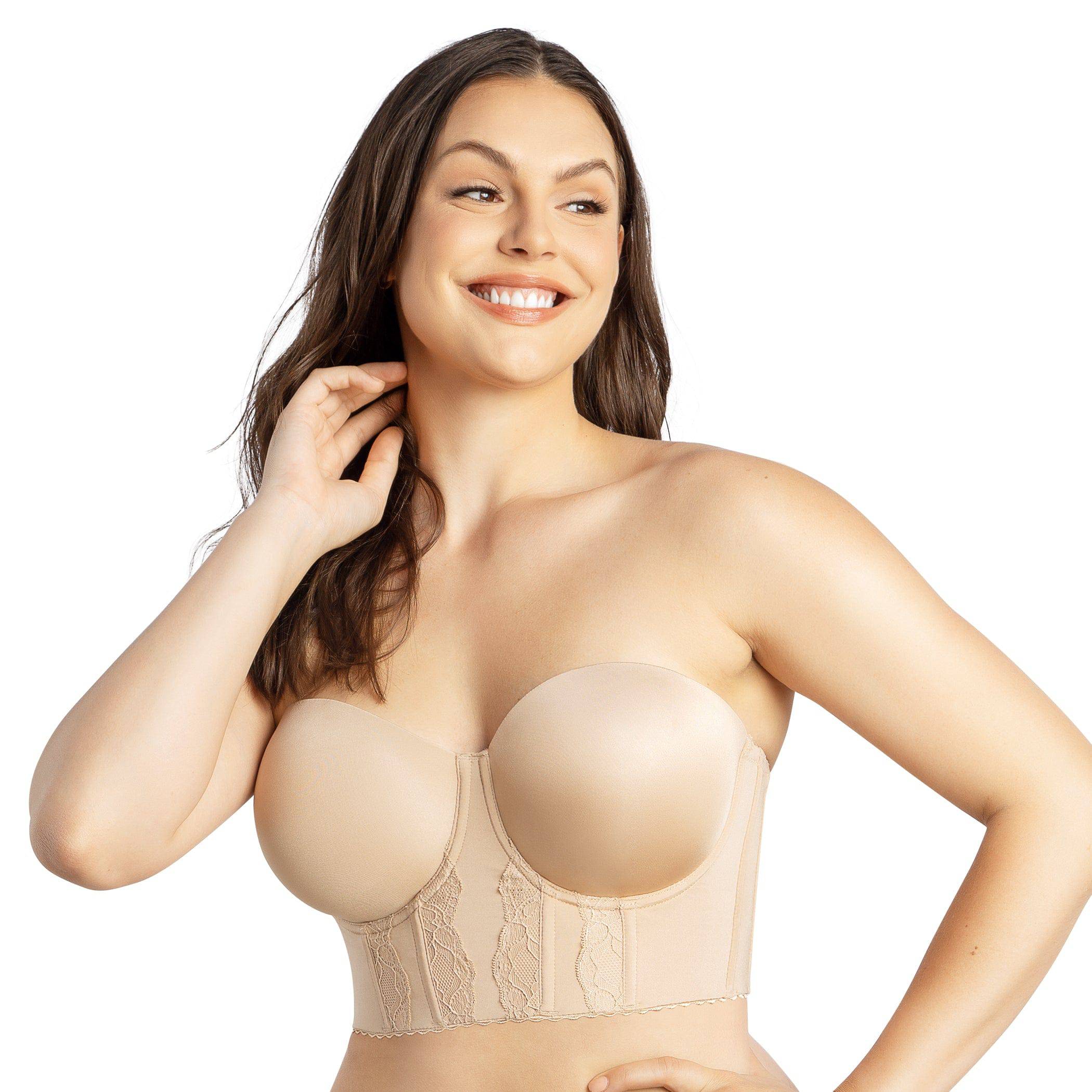
Bra cup sizes are often misunderstood. Many women wear the wrong size not because they’ve measured incorrectly but because cup sizes are rarely explained in a clear, practical way. At Olivia Paisley Intimates, we believe understanding cup size is essential to comfort, support, and confidence.
It's important to note that bra sizes are only an approximate fit, as sizing can vary significantly between brands and manufacturers.
This guide breaks down what bra cup sizes really mean, with examples to help you visualize the differences.
What Is a Bra Cup Size?
A bra cup size represents the difference between your bust circumference and your underbust circumference (band size). Contrary to popular belief, cup sizes are not standalone, they are relative to the band size.
Cup size = Bust circumference − Underbust circumference (band size)
To measure accurately, stand straight with your arms at your sides. Measure your underbust circumference by wrapping a tape measure snugly around your ribcage just below your bust. If your band measurement is an odd number, round up to the next even number to determine your band size. Next, measure your bust circumference by wrapping the tape measure around the fullest part of your breasts.
Each one inch of difference between your bust and band measurements typically equals one cup size: an A cup signifies a one-inch difference, a B cup is a two-inch difference, and a C cup is a three-inch difference.
Bra cup sizes were invented in 1932, while band sizes became popular in the 1940s.
Cup Size Chart with Examples
|
Difference (inches) |
Cup Size |
|---|---|
|
1 inch |
A |
|
2 inches |
B |
|
3 inches |
C |
|
4 inches |
D |
|
5 inches |
DD / E |
|
6 inches |
DDD / F |
|
7 inches |
G |
|
8 inches |
H |
|
9 inches |
I |
|
10 inches |
J |
Note: In the U.S., cup sizes are labeled A through F, with each letter representing an additional inch of difference in bust measurement. For larger cup sizes after DD, double letters such as DD and DDD are used. In both the U.S. and UK, cup sizes increase by one inch, while in many European countries, cup sizes increase by two centimeters.
Cup Size Examples by Band
Cup sizes change as the band size changes. A D cup on a small band is not the same volume as a D cup on a larger band.
Bra sizing systems vary significantly across different countries and brands, so the same person may wear different cup sizes depending on the sizing standards used in each region or by one manufacturer. Even within the same country, different manufacturers may have their own standards for bra sizing, leading to inconsistencies in fit and sizing.
Example 1: 34C
-
Band: 34 inches
-
Bust: 37 inches
-
Difference: 3 inches
-
Appearance: Moderate fullness, balanced frame
Example 2: 34DD
-
Band: 34 inches
-
Bust: 39 inches
-
Difference: 5 inches
-
Appearance: Full bust with visible projection
Example 3: 38D
-
Band: 38 inches
-
Bust: 42 inches
-
Difference: 4 inches
-
Appearance: Similar volume to 34DD (sister size)
What Different Cup Sizes Typically Look Like
A–B Cups
-
Subtle projection
-
Minimal volume difference
-
Often fit well in bralettes or light support bras
C–D Cups
-
Medium fullness
-
Noticeable shaping and lift needed
-
Most common size range
DD–DDD (E–F) Cups
-
Full bust
-
Requires structured support
-
Underwire or molded cups recommended
G Cup and Up
-
Needs strong bands, wide straps, and reinforced cups
Band and Cup Size Relationship
Understanding the relationship between band and cup size is the foundation of finding your correct bra size. The band size, measured by wrapping a tape measure snugly around your torso, just under your bust, serves as the anchor for your bra, providing most of the support. The cup size, on the other hand, is determined by the difference between your bust measurement (the fullest part of your chest) and your band measurement. This difference translates directly into the volume of the bra cups, which is what gives your breasts the shape and coverage you need.
For example, if there’s a two inch difference between your bust and band measurements, you’re likely a B cup; a three inch difference means a C cup. But here’s where it gets interesting: the same cup volume can be found in different band and cup size combinations, known as sister sizes. So, a 34B and a 36A have the same cup volume, even though the band and cup sizes are different. This is why it’s so important to consider both measurements when searching for a perfect fit.
To measure accurately, simply wrap a measuring tape around your rib cage, directly under your bust, to find your band size. Then, measure around the fullest part of your bust. The difference between these two measurements determines your cup size. For instance, if your band size is 34 inches and your bust measurement is 36 inches, you’d wear a 34B, since the two inch difference corresponds to a B cup.
Many women wear incorrectly fitted bras because they misunderstand this relationship. A common mistake is choosing a bra with too small a cup, which can cause discomfort, red marks, and even neck pain. On the flip side, a bra with too large a band size won’t fit snugly, leading to a lack of support and the bra riding up your back. Both issues can prevent the bra from fitting properly and supporting your unique shape.
It’s also important to note that European bra sizes use a different system, with cup sizes increasing by 2 cm increments instead of the 1-inch steps used in the US. This can make finding the correct bra size tricky if you’re shopping internationally, so always check the sizing chart for the country or brand you’re buying from.
Ultimately, the key to a well fitting bra is understanding how band and cup size work together. By taking two accurate measurements and knowing how to interpret the difference, you can avoid the most common mistakes and find a bra that fits your body and breast shape perfectly. Whether you’re a B cup, C cup, or any other size, the right combination of band and cup size will give you the comfort, support, and confidence you deserve.
Why Cup Size Alone Is Misleading
Saying “I’m a D cup” doesn’t tell the full story. A 32D, 36D, and 40D all have different volumes and support needs.
Achieving a correct fit requires more than just knowing your cup size. A properly fitted bra fits correctly when the band is snug but comfortable, the cups fully encase the breast tissue without spillage or gapping, and the straps provide support without digging in. Ensuring your bra fits properly is essential for optimal support and comfort.
Many women wear the wrong bra size, with estimates ranging from 70% to 85%, and about 25% of bra wearing women have difficulty finding a properly fitted bra due to variations in sizing systems. The lack of comprehensive international standards for bra sizing also contributes to confusion and difficulty in finding a proper fit.
This is why professional fittings focus on both band and cup size, not just the letter.
Sister Sizes Explained (With Examples)
Sister sizes have the same cup volume but different band sizes.
|
Original Size |
Sister Sizes |
|---|---|
|
34C |
32D, 36B |
|
36D |
34DD, 38C |
|
38DD |
36DDD, 40D |
Sister sizing is useful when adjusting band tightness while maintaining cup volume.
Common Cup Size Fit Issues
A well-fitting bra should fully encapsulate your breast tissue, with no spillage or gapping in the cups.
-
Spillage: If your breast tissue overflows the edges of the bra, the cup size is too small.
-
Gapping: Loose fabric in the bra cup indicates that the cup size is too big or the wrong shape.
-
Flattening: Cup too shallow.
-
Underwire digging: Band too big or cup too small.
-
If the bra's center panel does not lie flat against your sternum, the cup size is too small.
-
If the bra band rides up your back, the band size is too big; if the band digs into your flesh and causes spillage, it is too tight.
-
A correctly fitting bra band should allow for one or two fingers to fit comfortably underneath.
-
Common signs of an ill-fitting bra include the band digging into the torso, red marks, and shoulder or neck pain.
Correct cup sizing resolves most comfort problems.
How to Find Your Correct Cup Size
-
Measure your snug underbust for band size
-
Measure the fullest part of your bust
-
Subtract band from bust
-
Match the difference to a cup size
When selecting lingerie, the most common mistake is choosing a back band that is too large and a cup that is too small, which can lead to discomfort and poor support. Wearing the correct size and style of lingerie is essential for comfort, support, and overall breast health. It is recommended to measure your bra size at least once a year to ensure a proper fit, as body shape and breast volume can change over time.
For best results, measure without padding and keep the tape level.
Final Thoughts
Bra cup sizes aren’t confusing once you understand how they work. With clear examples and proper measurement, finding the right fit becomes simple and transformative.
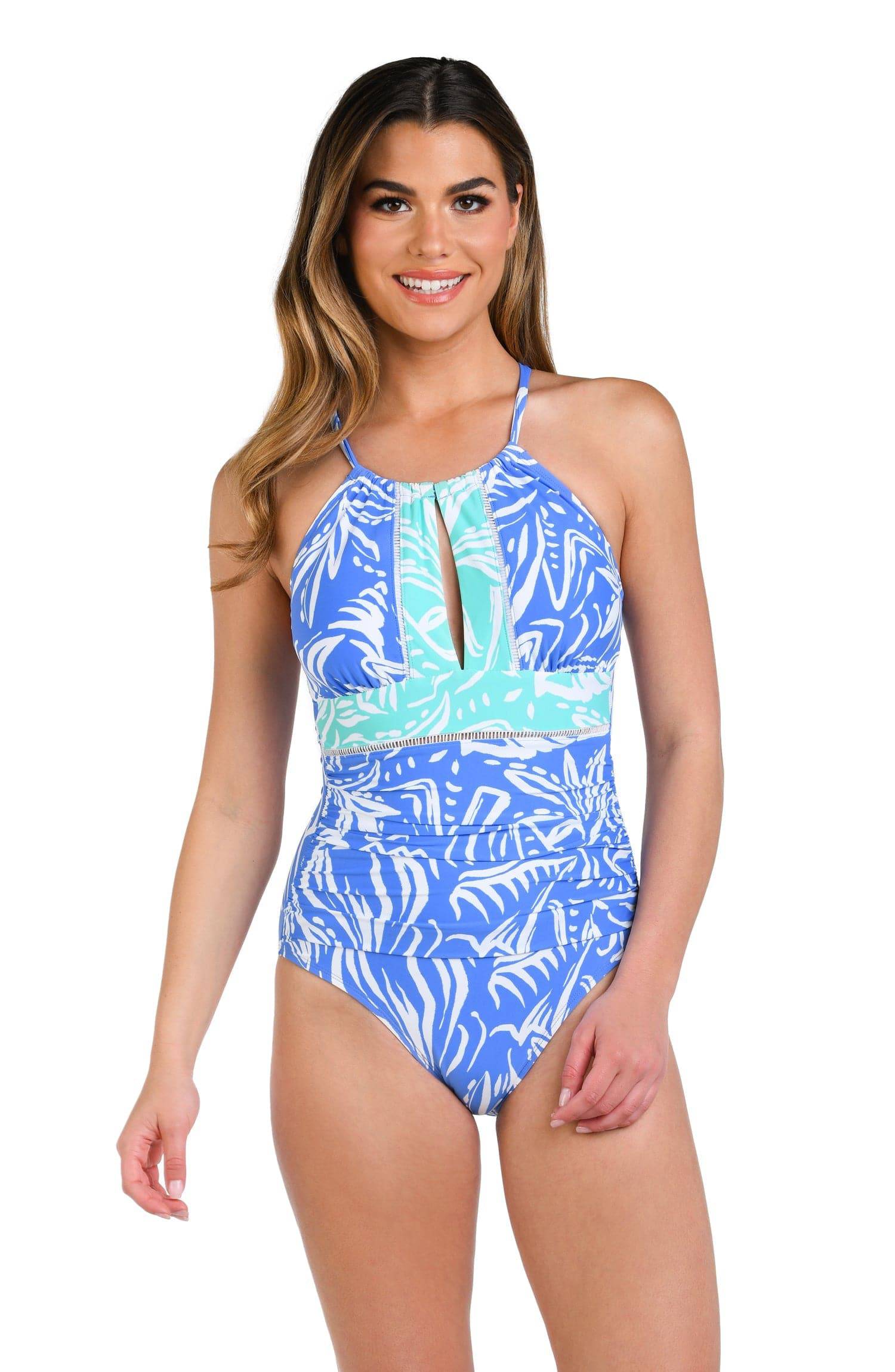
At Olivia Paisley Intimates, we design bras and swimwear that respect real cup sizes, because support starts with understanding your shape.