C Cup Breast: Size Appearance Guide
Introduction to C Cup Breasts
A C cup breast represents a medium sized bust defined by a 3-inch difference between your bust measurement and your band measurement. In practical terms, this translates to bra labels like 32C, 34C, or 36C, sizes you’ll find stocked in nearly every lingerie store. The C cup sits comfortably between the smaller B cup and the fuller D cup, making it one of the most commonly desired sizes for both natural breasts and breast augmentation procedures.
What many women don’t realize is that “C cup” doesn’t describe a fixed breast volume. A 32C looks quite different from a 38C because the cup scales proportionally with the band size. Your body frame, ribcage width, and even the brand of bra you’re wearing all influence how C cup breasts appear. This guide is written for anyone thinking about their current C cup size, wondering whether they actually are a C cup, or considering cosmetic surgery to reach or maintain this proportionate look.
What Is a C Cup Breast, Technically?
Understanding bra sizing starts with two measurements: your band size and your cup size. The band size comes from measuring snugly around your ribcage, directly under your breasts. Cup size is determined by the difference between your bust measurement (taken around the fullest part of your chest) and your band measurement.
In the standard North American sizing system, a C cup corresponds to exactly a 3-inch difference. If your underbust measures 34 inches and your bust measures 37 inches, you’re looking at a 34C. This 3-inch rule applies across the board, but exact bust measurement ranges vary slightly by brand:
- A 32C typically fits a 32-inch underbust with a 35-inch bust
- A 34C fits a 34-inch underbust with a 37-inch bust
- A 36C fits a 36-inch underbust with a 39-inch bust
- A 38C fits a 38-inch underbust with a 41-inch bust
Keep in mind that a C cup breast can look small on a tall, broad-shouldered woman and quite full on a petite frame. The cup letter describes projection relative to your ribcage, not absolute breast size.
Understanding Cup vs Band: 32C, 34C, 36C, 38C
The letter C describes how much your breasts project from your chest wall relative to your band, not the total volume of breast tissue. This distinction trips up many women when bra shopping.
A 32C, 34C, 36C, and 38C all share the same cup letter, but they sit on progressively larger ribcages. The result is that overall chest appearance changes significantly. A 32C on a 5’1” woman with narrow shoulders often looks quite prominent and full. That same C cup designation on a 5’9” woman wearing a 36C appears more moderate and athletic.
Here’s where sister sizing comes in: some fitting systems recognize that a 32C and 34B contain very similar cup boobs volume. The cups hold roughly the same amount of breast tissue, just mounted on different band sizes. This is why focusing solely on the cup letter can be misleading when you’re trying to understand your breast size or communicate your desired outcome to a surgeon.
C Cup Breast Volume and Common Misconceptions
There is no universal milliliter or cubic centimeter measurement that equals “a C cup breast” for everyone. This is one of the most persistent misconceptions in both bra fitting and breast augmentation discussions.
- Online claims stating “C cup breasts are 750-850 ml” are oversimplified and often based on specific surgical case averages or particular sizing systems that don’t apply universally
- For breast augmentation, implant volumes that typically result in a C cup look range from about 250-350 cc for many average height women but this varies based on starting size and chest width
- A woman with a 28-inch ribcage needs less implant volume to achieve a C cup appearance than someone with a 36-inch ribcage
- Brand differences matter: a “C cup” in one label might feel like a B or D in another, and padded versus unlined styles change the perceived fit
The takeaway is that C cup breasts represent a proportional relationship, not an absolute volume.
How to Measure Whether You Have C Cup Breasts
Many people misjudge their cup size. Studies from the 2010s found that over half of women wear the wrong bra size, often overestimating their band size while underestimating their cup size. Getting an accurate measurement at home requires just a soft tape measure and a few minutes.

Here’s a step by step approach to determine if you have C cup breasts:
- Stand straight with your arms relaxed at your sides and breathe normally
- Measure your underbust: wrap the tape snugly around your ribcage, directly under your breasts, keeping the tape level. Note this number in inches
- Round your underbust measurement to the nearest even number to find your band size (29 inches rounds to 30, 33 inches rounds to 34)
- Measure your bust: wrap the tape around the fullest part of your chest, typically across your nipples, without compressing the breast tissue
- Calculate the difference: subtract your band size from your bust measurement
- Match the difference to a cup letter: 1 inch = A, 2 inches = B, 3 inches = C, 4 inches = D
If your difference is 3 inches, you have a C cup breast size.
Example: From Measurements to a C Cup Breast Size
Let’s walk through two concrete examples to clarify the process.
Example 1: Your underbust measures 29 inches, which rounds to a 30 band. Your bust measurement is 33 inches. The difference is 3 inches, giving you a 30C.
Example 2: Your underbust measures 33.5 inches, rounding to 34. Your bust is 37 inches. Again, the 3-inch difference means you’re a 34C.
Slight variations of half an inch to one inch in your measurements, due to posture, time of month, or how tightly you hold the tape, can nudge you between B, C, and D cups. Hormonal fluctuations, weight gain, or water retention can temporarily shift your size.
For ongoing comfort with your C cup breasts, consider re-measuring every 6-12 months, or after significant changes like pregnancy, weight fluctuations of 10+ pounds, or starting or stopping hormonal contraception.
How Big Are C Cup Breasts in Real Life?
C cup breasts are considered medium sized in the United States and much of Europe. However, in countries where A and B cups remain the norm, such as Japan, based on early 2020s retail data, a C cup is often perceived as noticeably large.
The visual impact of C cup breasts depends heavily on your overall body size and proportions:
- On a petite frame (under 5’3” / 160 cm, narrow shoulders): C cup breasts often appear quite full and prominent, creating noticeable curves even in loose clothing
- On an average frame (5’4”–5’7” / 163–170 cm, medium build): C cup breasts typically look balanced and proportionate, neither minimal nor dominant
- On a taller or plus-size frame (5’8”+ / 173+ cm, broader shoulders): C cup breasts can read as subtle, athletic, or moderate
Your clothing size also affects perception. A C cup on someone wearing a US size 2 looks more prominent than the same cup size on someone in a US size 10. Fitted tops, necklines, and dress styles all change how visible or emphasized your bust appears.
Is a C Cup Breast Considered Big or Small?
In the United States, average reported bra cup sizes have shifted significantly over the decades. In the 1990s, the average was approximately 34B. By 2013, industry data suggested the average had moved to around 34DD. This means a C cup breast now falls slightly below the current US average, but still firmly in the “medium” range.
Contrast this with data from East Asian markets. Mid-2010s surveys in Japan and South Korea showed A and B cups remaining typical, making a C cup breast feel noticeably larger in those contexts.
Perceptions also shift with fashion trends. The early 2000s celebrated larger breasts, while the 2020s have trended toward more natural or athletic proportions in mainstream media. Age demographics matter too, what’s considered “average” among 20-somethings differs from perceptions among women in their 40s and 50s.
The bottom line: “big or small” is subjective and shouldn’t be the sole factor when deciding whether to pursue augmentation toward a C cup breast size.
C Cup Breasts and Breast Augmentation
Many breast augmentation patients specifically request a “natural C cup breast” appearance. This goal resonates because C cup breasts are proportional across most body types, versatile in clothing, and tend to avoid the overly large look that some patients want to avoid.
That said, surgeons cannot guarantee a precise bra label. Bra sizing varies too much between brands for any doctor to promise you’ll wear exactly a 34C afterward. What a board certified plastic surgeon can reliably do is aim for a C cup appearance based on several factors:
- Your existing breast tissue and chest width
- The implant volume selected during consultation
- Your skin elasticity and natural breast shape
Approximate implant ranges that often create a C cup look:
- Starting from an A cup: typically 250-300 cc
- Starting from a B cup: typically 175-250 cc
These numbers vary depending on your anatomy. Both silicone and saline breast implants can achieve this goal, as can fat transfer for more modest changes.
Choosing Between a C Cup and a D Cup Breast After Augmentation
Many patients find themselves debating between a C cup and D cup outcome. Generally, 150-200 cc of additional implant volume corresponds to roughly one cup size change, though this isn’t an exact science.
Here’s how to think through the decision:
C cup advantages:
- Often suits shorter or narrower frames seeking balanced, proportional results
- More comfortable for high impact sports, running, and physically demanding jobs
- Lower long-term risk of tissue stretching, sagging, and shoulder pain compared to larger sizes
- Easier bra shopping with more style options readily available
D cup considerations: For a deeper understanding of what a D-cup size means and how to find a perfect fit, read our comprehensive guide on D-cups.
- May better suit taller women or those with broader shoulders
- Creates more dramatic cleavage and projection
- Larger implants increase long-term risks including back strain and potential need for revision surgery
- Finding well-fitting bras can become slightly more challenging
Your lifestyle matters enormously here. If you run marathons or work in a physically active profession, the reduced weight and movement of C cup breasts will likely serve you better long term.
Factors Your Surgeon Considers When Aiming for C Cup Breasts
During your consultation, your surgeon will evaluate several key measurements to determine the right implant size for achieving C cup breasts:
- Chest width: measured across your breast base to determine appropriate implant diameter
- Existing breast volume: how much natural tissue you’re starting with affects how much augmentation you need
- Skin elasticity: tighter skin supports smaller implants differently than looser skin
- Nipple position: where your nipple sits relative to your breast crease influences final aesthetics
Many surgeons use sizers (temporary implants placed in a bra) or 3D imaging technology to simulate a C cup breast outcome during your consultation. This allows you to compare options like “small C versus full C versus small D” before committing to a specific implant size.
Implant profile also matters. Low-profile implants create a wider, more natural slope. High-profile implants provide more forward projection from a narrower base. Both can result in C cup breasts, but they look different from the side.
Come prepared to discuss your clothing preferences, exercise routine, and long-term comfort priorities. These details help your surgeon match your aesthetic goals with the right technical approach.
C Cup Breast Options: Implants, Fat Transfer, Lift, and Reduction
Reaching, refining, or reducing to a C cup breast size involves several potential surgical paths. The right choice depends on your starting point and your goals:
- Breast augmentation with implants: adds volume to achieve C cup breasts from smaller sizes
- Fat transfer: uses your own fat to modestly increase breast size
- Breast lift (mastopexy): reshapes and elevates sagging breasts, sometimes creating a perkier C cup appearance
- Breast reduction: removes excess tissue to reduce very large breasts down to a comfortable C cup
Each option changes not just size but also shape, firmness, and nipple position, all of which influence how your C cup breasts ultimately appear. A consultation with a qualified plastic surgeon is essential to match your specific goal with the right technique.
Breast Augmentation with Implants to Reach a C Cup
C cup breast augmentation using implants remains the most common path for women starting at an A or B cup who want to increase their bust size. Both saline and silicone implants can add the volume needed to achieve C cup breasts.
Realistic implant volume examples for cup breast augmentation:
- Starting at 34A: typically 250-300 cc to reach a 34C appearance
- Starting at 34B: typically 175-250 cc to reach 34C
- These ranges vary depending on your chest width, skin quality, and whether you want a “small C” or “full C” look
Recovery milestones for breast implant surgery:
- Days 1-3: Rest at home, limited arm movement, prescription pain management
- Days 3-5: Light activities resume, many patients can handle short walks
- Weeks 1-2: Most patients return to desk work
- Weeks 4-6: Most exercise cleared, though surgeon approval needed for high-impact activities
- Months 3-6: Final breast shape settles as swelling fully resolves
Potential risks include capsular contracture (scar tissue hardening around the implant), implant rupture, and asymmetry. However, moderate C cup breast implants typically place less strain on tissues than very large sizes, potentially reducing some long-term complications.
Fat Transfer to Create or Refine C Cup Breasts
Fat transfer, also called autologous fat grafting, uses liposuction to harvest fat from areas like your abdomen, thighs, or flanks, then injects it into your breasts to increase volume.
This technique works best for subtle changes for example, moving from a small B toward a small C cup breast size. It’s not ideal for jumping multiple cup sizes in a single procedure.
Key considerations for fat transfer:
- Retention rates typically range from 50-70%, meaning some of the transferred fat absorbs over time
- Surgeons often overfill slightly during the procedure to account for expected absorption
- Results feel extremely natural since you’re using your own tissue
- There’s no breast implant to monitor or potentially replace in the future
- Future weight changes can affect your breast fullness, since the transferred fat behaves like fat elsewhere in your body
Good candidates for fat transfer-based C cup breasts are those who want modest enhancement, have adequate donor fat available, and prefer avoiding implants entirely.
Breast Lift and Reduction Toward a C Cup Breast Size
Not everyone seeking C cup breasts wants to go larger. A breast lift (mastopexy) can reshape and elevate sagging breasts, often creating a perkier C cup look without significantly changing total volume. This addresses what many women describe as wanting “the same size, just higher.”
Breast reduction, by contrast, removes excess breast tissue and skin. Many patients downsize from very large cups, G, H, or beyond, to a comfortable C cup breast size. The results can be life changing.
Benefits of reducing to a C cup:
- Relief from chronic neck, shoulder pain, and back strain caused by heavy breasts
- Easier bra fitting with more style options available
- Improved exercise tolerance and physical activity comfort
- Better proportions for your body type
Both lift and reduction procedures involve incisions that leave scars, typically around the areola and sometimes extending vertically or along the breast crease. Changed nipple sensation is possible, and potential impacts on breastfeeding should be discussed in detail with your surgeon before proceeding.
Thinking of C cup breasts as a reduction target, not just an augmentation goal, opens up options for women whose current breast size causes daily discomfort.
Living With C Cup Breasts: Comfort, Health, and Lifestyle
C cup breasts are generally easy to live with compared to very large or very small sizes. You’ll find abundant bra options, most clothing fits without special alterations, and physical activity rarely presents major challenges. That said, proper support and attention to fit remain important.
Comfort factors to keep in mind:
- Even at a moderate C cup breast size, improper bra fit can cause shoulder grooving from straps digging in, band riding up, and underwire pain
- Approximately 80% of your bra’s support should come from the band, not the straps, if your straps are doing all the work, your band is too loose
- Weight changes of more than about 10-20 pounds (5-9 kg) can alter how your C cup breasts look and feel, especially if you have implants
For exercise, C cup breasts typically move less than D+ sizes but still benefit from high-support sports bras during running or HIIT workouts. The estimated weight of C cup breasts (roughly 2-4 pounds total for both) creates manageable momentum during movement, more than A cups but far less than larger sizes.

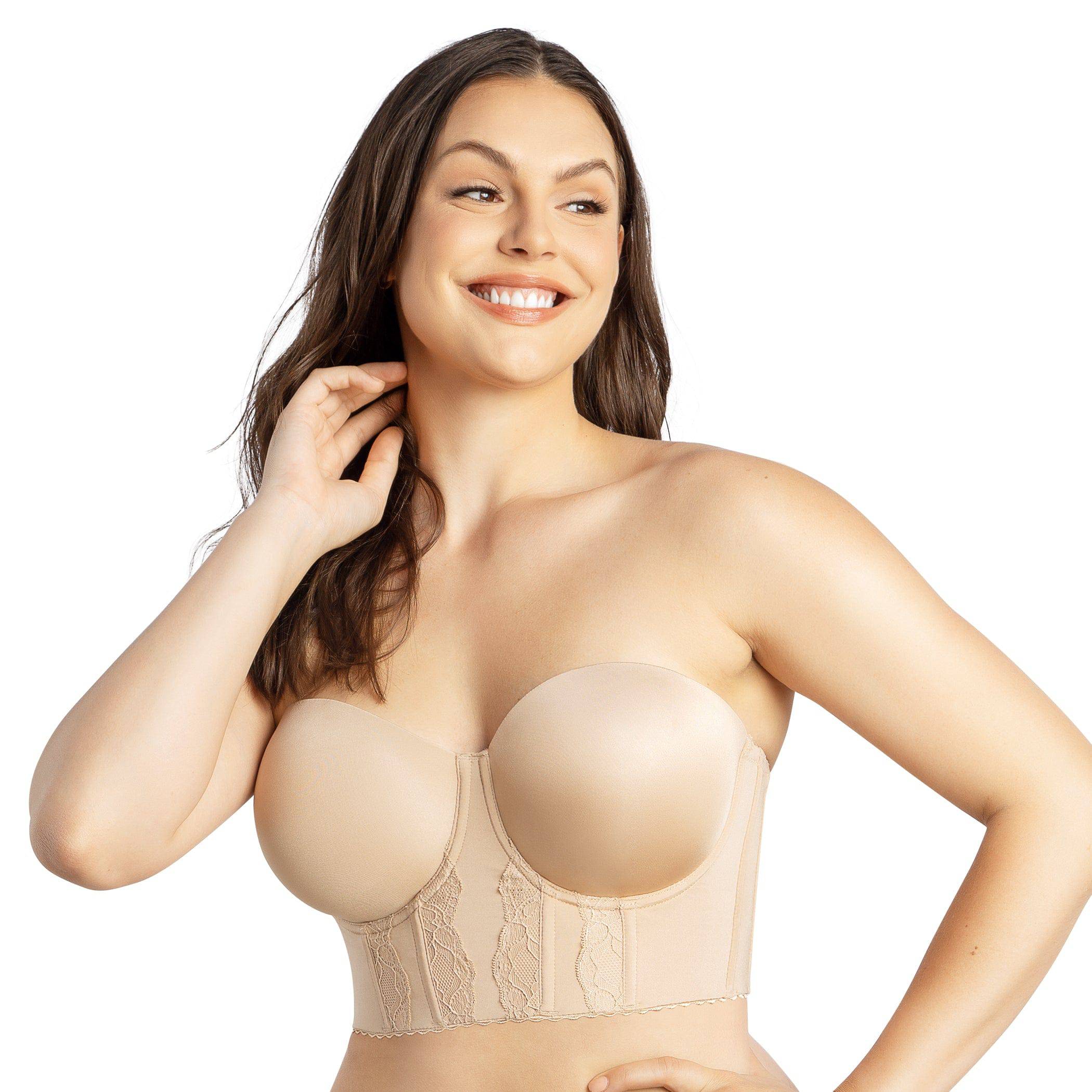
Best Bra Styles for C Cup Breasts
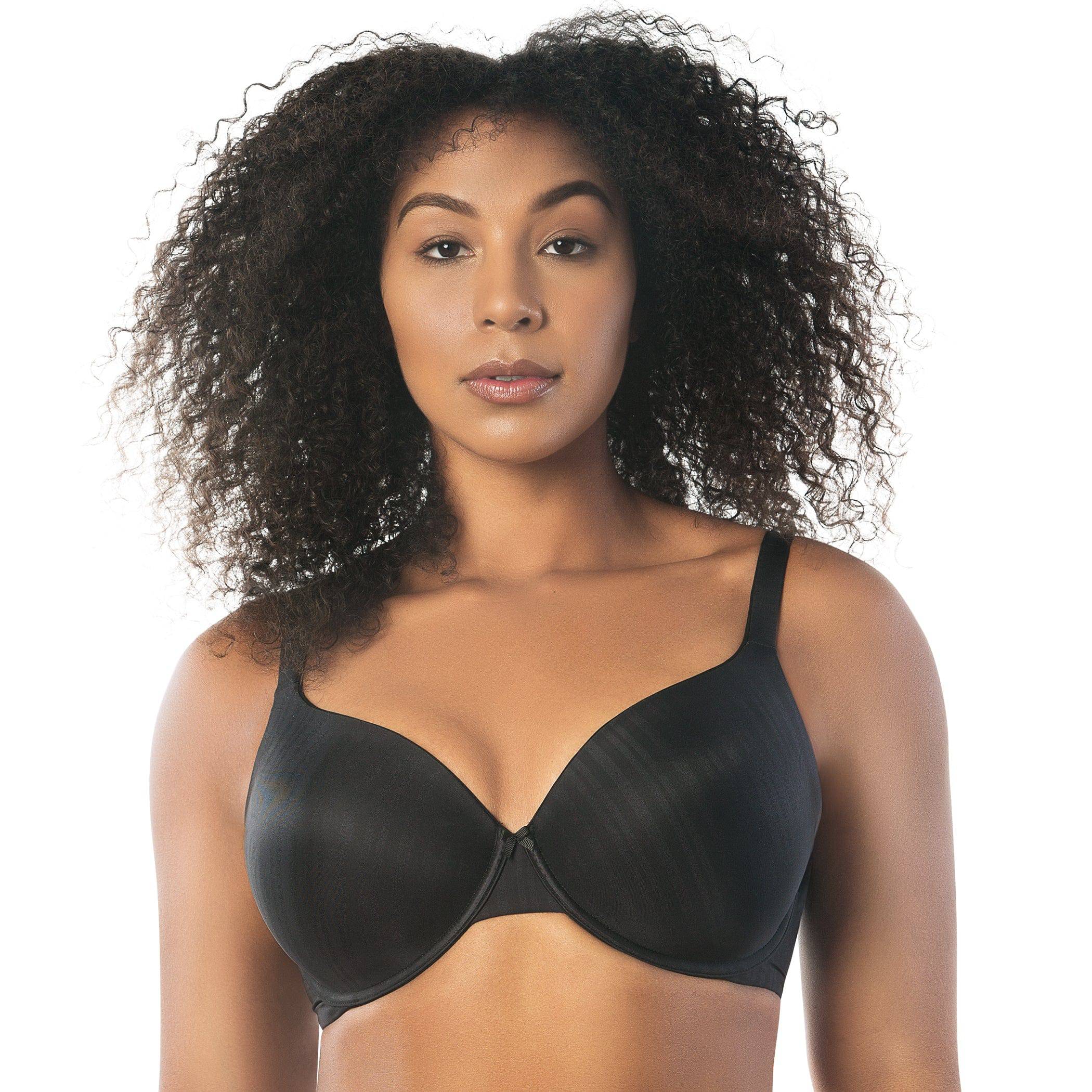
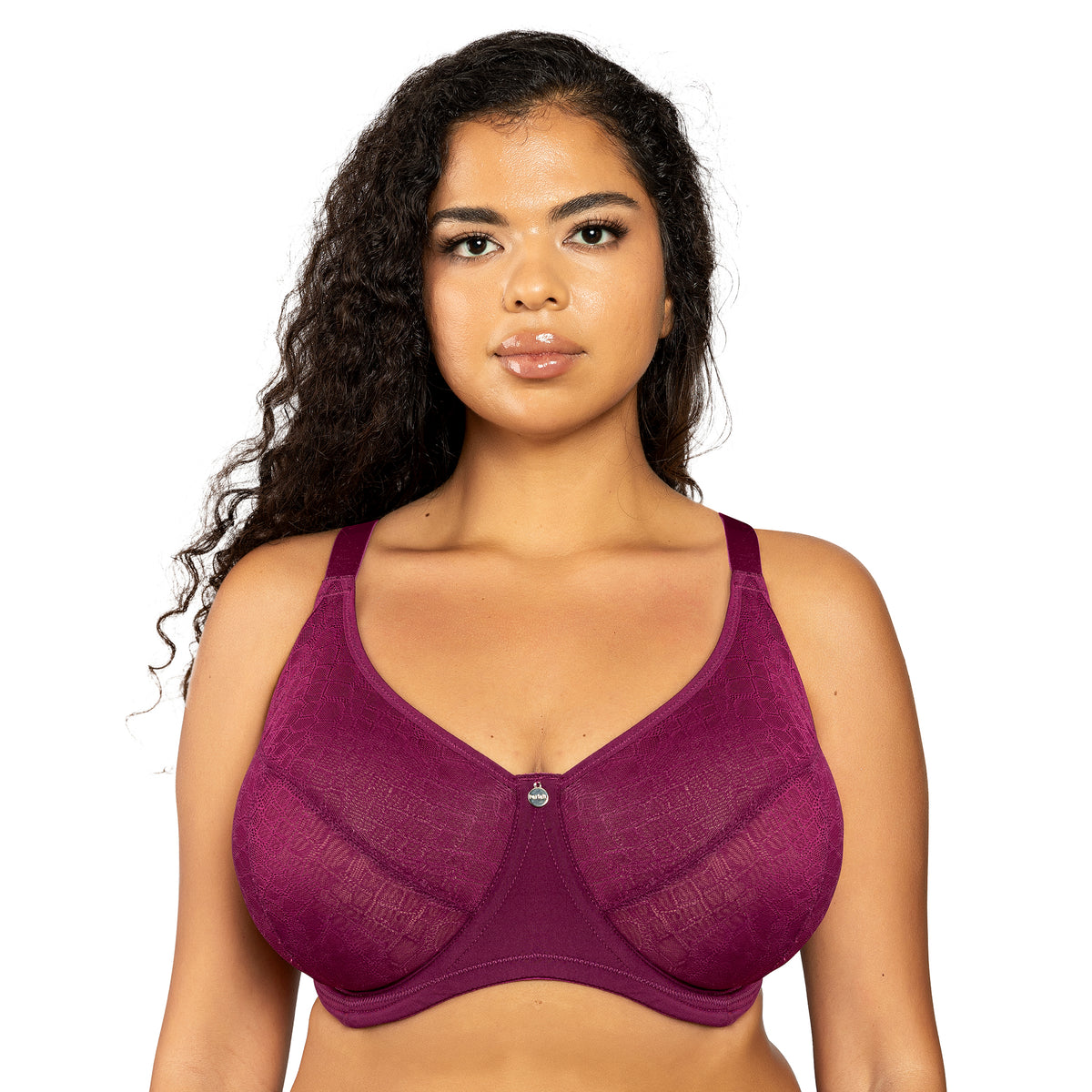
C cup breasts enjoy the widest selection of bra styles since manufacturers prioritize this size range. In addition to the perfect bra, consider protecting your hair while getting ready with the Satin Lined Flexi Shower Cap - Terracotta Checker, which features an extra-wide size and waterproof design. Here’s what generally works well:
- T-shirt bras with light padding: create a smooth silhouette under fitted tops
- Balconette bras: provide lift and create flattering cleavage for lower necklines
- Wireless bras: offer comfort for working from home or lounging
- Push up bra styles: make sense for special occasions or outfits requiring extra cleavage
- Sports bras with encapsulation: support each breast separately for high-impact activities
For more on different types of bras, check out our comprehensive guide.
Features to look for in any style:
- A firm but comfortable band that stays level around your torso
- Properly centered underwire (if applicable) that sits flat against your ribcage without poking
- Wide, cushioned straps for long workdays to prevent shoulder digging
- Full coverage in the cups without gaping at the top or spillage at the sides
Consider a professional fitting once a year or after major body changes. Many women find their C cup breasts shift slightly in shape or size over time due to factors like aging, hormonal changes, or weight fluctuations.
C Cup Breasts: Frequently Asked Questions
Is a C cup breast bigger than a B and smaller than a D? Yes, in the same band size. A 34C is larger than a 34B (2-inch difference) and smaller than a 34D (4-inch difference). However, sister sizing complicates this: a 32C has roughly the same cup volume as a 34B, just on a smaller band.
Can I reliably “order” a C cup breast size with implants? Not exactly. Surgeons can aim for a C cup appearance based on implant volume and your anatomy, but bra sizing varies too much between brands to guarantee a specific label. Focus on desired outcome in terms of proportion and appearance rather than bra tags.
Are C cup breasts “worth it” for augmentation? For most women seeking balanced, natural-looking results, C cup breasts offer an excellent balance of aesthetics and comfort. They’re proportionate across many body types, don’t typically cause back strain, and provide abundant clothing options.
How do aging, pregnancy, and breastfeeding change C cup breasts? Natural C cup breasts may lose volume and firmness with age, pregnancy, and breastfeeding due to changes in breast tissue, skin elasticity, and weight. Implant-augmented C cup breasts maintain volume better but may still experience changes in positioning or shape over time.
What’s the difference between C cup breast augmentation and fat transfer? C cup breast augmentation with implants uses silicone or saline devices for significant, predictable volume increase. Fat transfer uses your own harvested fat for more modest changes. Implants offer more dramatic results; fat transfer feels more natural but is limited in how much size it can add.
Conclusion: About C Cup Breasts
C cup breasts represent a 3-inch difference between bust measurement and ribcage measurement a medium, proportional size that works across many body types
There is no such thing as a universal C cup volume; appearance varies based on band size, body frame, and brand sizing differences
Many women wear the wrong bra size accurate measurement using the underbust/bust method can determine whether you truly have C cup breasts
For breast augmentation, surgeons cannot guarantee a specific bra label but can reliably aim for a C cup appearance using typical implant ranges of 200-350 cc depending on your starting size
Living with C cup breasts is generally comfortable, but proper bra fit, regular re-measurement, and high support options for exercise remain important
Whether natural or surgically enhanced, the ideal breast size is the one that fits your lifestyle, your body, and your personal comfort, C cup breasts are just one of many healthy, attractive possibilities
If you’re considering c cup breast implants or simply want to verify your current size, start with an accurate measurement at home. For surgical options, schedule a consultation with a board certified plastic surgeon who can evaluate your anatomy and help you understand what’s achievable for your specific body.