Breast Size 26 Explained: What a 26 Band Really Means
When people refer to “breast size 26,” they are almost always talking about a 26 band size, not a complete bra size. Because band sizes this small are rarely discussed or offered in mainstream lingerie, women with a 26 band are often mis-sized into larger bands, leading to discomfort and poor support.
A 26-inch band size is commonly used for young teenagers or very petite adults. Most women wear band sizes 32 and up, making 26 feel very petite compared to typical adult sizes.
At Olivia Paisley Intimates, we believe every body deserves correct sizing and thoughtful design. Here’s what a 26 band means and how it affects fit: a 26 band measures approximately 63–67 cm around the underbust, providing a reference for international sizing. You can also learn more about what a 28 band size bra is and how it fits petite frames.
Bra sizes vary significantly between different countries and brands, and different companies may have their own sizing standards, which can make finding a true 26 band challenging.
What Does Breast Size 26 Mean?
In bra sizing, the number represents the band size, which corresponds to the measurement around the ribcage (under the bust). When measuring for a 26 band, use a soft tape measure to measure your chest directly under the bust for the band size, and around the fullest part of your chest for the bust measurement. Always take these measurements on your body, not the garment (your body, not the bot).
-
26 band ≈ 26 inches around the underbust
-
Typically worn by women with very petite frames
-
Always paired with a cup letter (26A, 26B, 26C, etc.)
“26” alone is not a complete size, it must include a cup letter.
Why 26 Band Sizes Are Rare
Most US brands start at 32 bands, which leaves women with smaller ribcages wearing bands that are too loose. This often results in:
-
Bands riding up the back
-
Straps doing most of the work
-
Lack of lift and support
-
Constant adjusting
A properly fitted 26 band should feel snug and supportive without digging.
Measuring for a Good Fit
Getting an accurate bra size starts with proper measuring. Begin by wrapping a soft measuring tape snugly around your rib cage, directly under your bust, this is your band size. Make sure the tape is level all the way around and sits flat against your skin, not too tight or too loose. If your measurement falls between numbers, round up to the nearest half inch for the best fit.
Next, measure around the fullest part of your bust, keeping the tape level and parallel to the floor. This bust measurement, when compared to your band size, will help determine your cup size. The difference in inches between these two measurements corresponds to your cup size on a bra size chart.
For example, if your rib cage measures 26 inches and your bust measures 29 inches, you have a 3-inch difference, which typically means a C cup. Using a size chart from a brand like The Little Bra Company can help you match your measurements to the correct bra size, especially if you have a petite frame. Remember, your body shape, including the width of your shoulders and the roundness of your bust, can affect how a bra fits, so always use your measurements as a starting point and adjust as needed for comfort and support.
26 Band Cup Size Examples
Cup size is determined by the difference between bust and band measurements. Breast size is influenced by genetics, weight, hormones, and age, with genetics being the primary determinant.
To find your cup size, measure your bust at the widest part, then subtract your band measurement from this number. The difference corresponds to a cup size. For example, with a 26 band, cup sizes can include A, B, C, D, DD, and DDD, among others. Accurate measurement is especially helpful when shopping for nice pajamas that combine comfort and style.
Note: Hormonal fluctuations due to the menstrual cycle can cause breast swelling of up to 13%.
Example 1: 26A
-
Underbust: 26 inches
-
Bust: 27 inches
-
Difference: 1 inch
-
Appearance: Minimal projection, shallow shape
Example 2: 26C
-
Underbust: 26 inches
-
Bust: 29 inches
-
Difference: 3 inches
-
Appearance: Noticeable fullness on a petite frame
Example 3: 26D
-
Underbust: 26 inches
-
Bust: 30 inches
-
Difference: 4 inches
-
Appearance: Full bust relative to frame size
A 26D is not “small”—it’s a full bust on a very petite ribcage.
Using a Bra Size Chart
A bra size chart is an essential tool for translating your measurements into a standard bra size. After measuring your rib cage for your band size and the fullest part of your bust for your cup size, use a bra size chart to find your correct size. Most charts list band sizes (such as 26, 28, 30, etc.) along one axis and cup sizes (A, B, C, D, etc.) along the other, allowing you to match your measurements to the right size.
Keep in mind that sizing can vary between brands, so always check the specific size chart for the brand you’re considering. For example, The Little Bra Company designs their bras for petite body types, so their size chart may differ from other brands. If you’re shopping internationally or online, a bra size calculator or converter can help you find the most accurate fit by converting your measurements to the appropriate size in different sizing systems. For more on understanding bra sizes, see visual chart guides that clarify measurements and international differences.
By using a bra size chart and double-checking with a calculator, you can confidently find the correct size for your body, ensuring both comfort and support.
Common Fit Challenges for 26 Band Sizes
Women who need a 26 band often experience:
-
Loose bands in 30–32 bras
-
Underwires floating or sitting too low
-
Poor lift despite correct cup volume
-
Difficulty finding supportive bras
These issues come from band mismatch, not breast shape or size.
Common Fitting Mistakes
Many women experience discomfort or poor support simply because of common bra fitting mistakes. One frequent error is choosing a band size that’s too large and a cup size that’s too small, which can cause the bra band to ride up or dig in, and the cups to gap or compress the breasts. This often leads to pain in the shoulders, neck, or back, and can leave red marks on the skin.
Another mistake is overlooking the unique shape and spacing of your breasts. For example, women with wider-set breasts may need a bra with a wider center panel, while those with close set breasts might prefer a narrower center. Not all bras are created equal, so it’s important to try different styles and shapes to find what works best for your body.
To avoid these pitfalls, always measure yourself carefully, consult a bra size chart, and don’t hesitate to try on several sizes and styles. Remember, the right fit should feel comfortable, supportive, and make you feel confident, whether you’re wearing a sports bra, bralette, or underwire style.
Sister Sizes for 26 Band
If a true 26 band isn’t available, you can use a bra size converter to convert your true size to a sister size. Sister sizes are alternative bra sizes with different band and cup measurements that fit similarly. The table below is a helpful resource for finding your sister size:
|
True Size |
Sister Sizes |
|---|---|
|
26C |
28B, 30A |
|
26D |
28C, 30B |
Note: Sister sizes compromise band support and should only be temporary solutions.
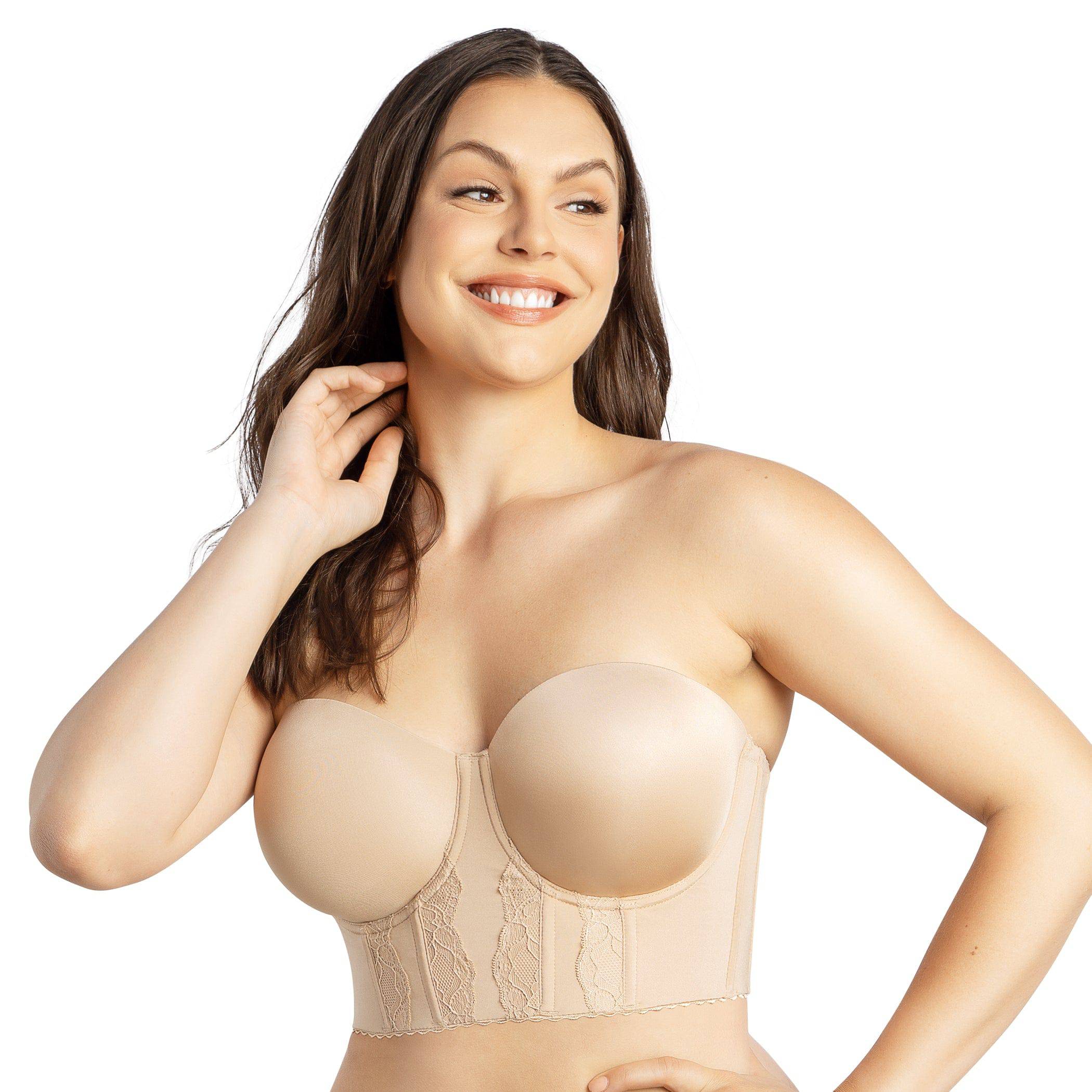
Best Bra Styles for 26 Band Sizes
-
Firm underbands with strong elastic
-
Lightly lined or seamed cups for shape
-
Narrow underwires to match petite frames
-
Adjustable straps with proper tension
-
Balconette or plunge styles for better proportion
The Little Bra Company designs bras specifically for petite and smaller-framed women. Petite bras are made to fit a smaller body type, with proportions that are carefully scaled down to better fit and flatter. The Little Bra Company offers a variety of bra styles, including bralettes, to accommodate different breast shapes and preferences. Many petite bras feature details that are thoughtfully refined to enhance fit and comfort for smaller frames. Some styles are designed to keep you more covered, providing extra support and modesty. Size options may include XS, S, M (medium), L, XL, and XXL, ensuring a comprehensive range to fit various body types.
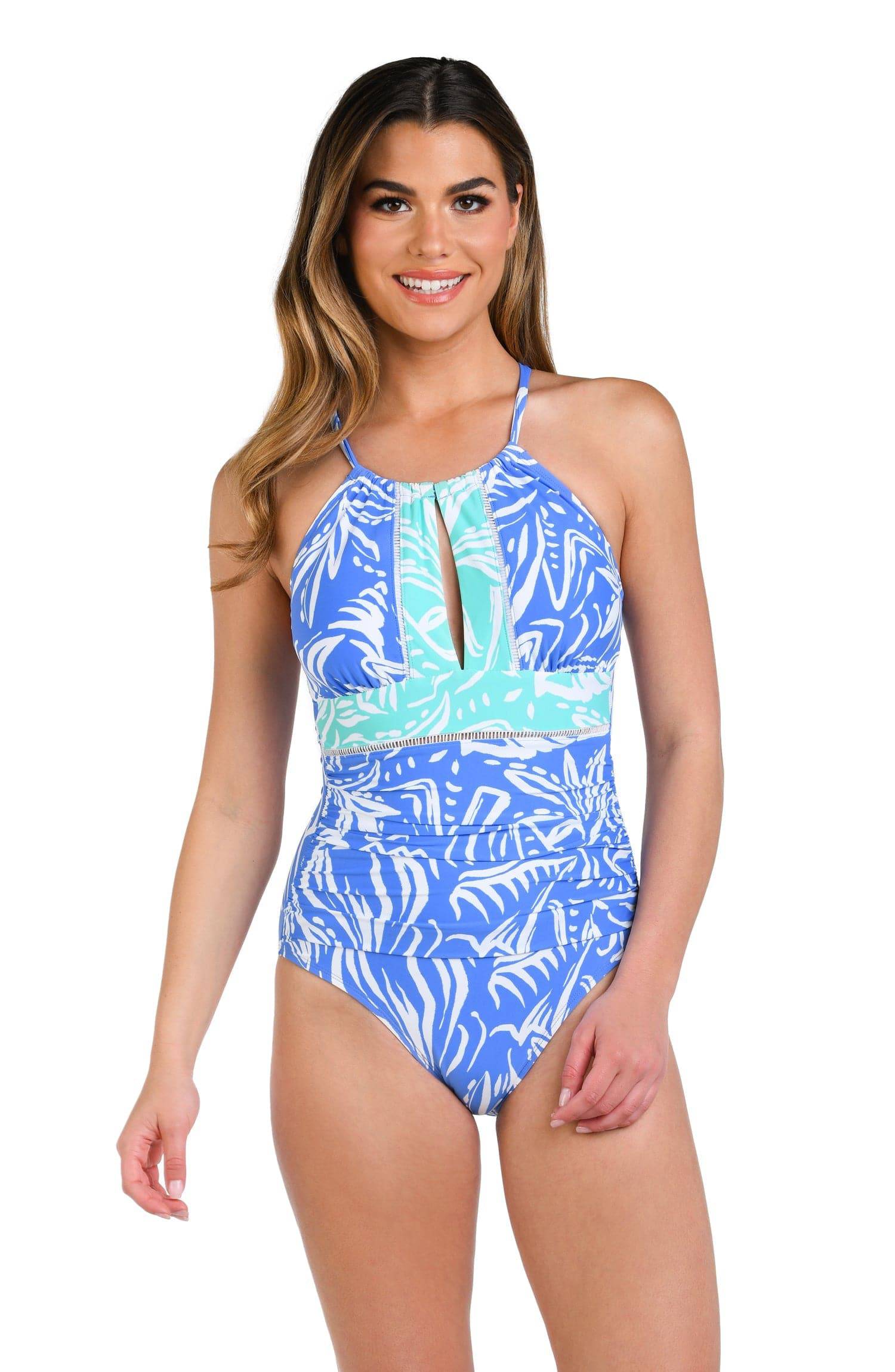
Swimwear for 26 Band Sizes
Petite-banded women benefit from:
-
Adjustable backs or tie closures
-
Underwire swim tops
-
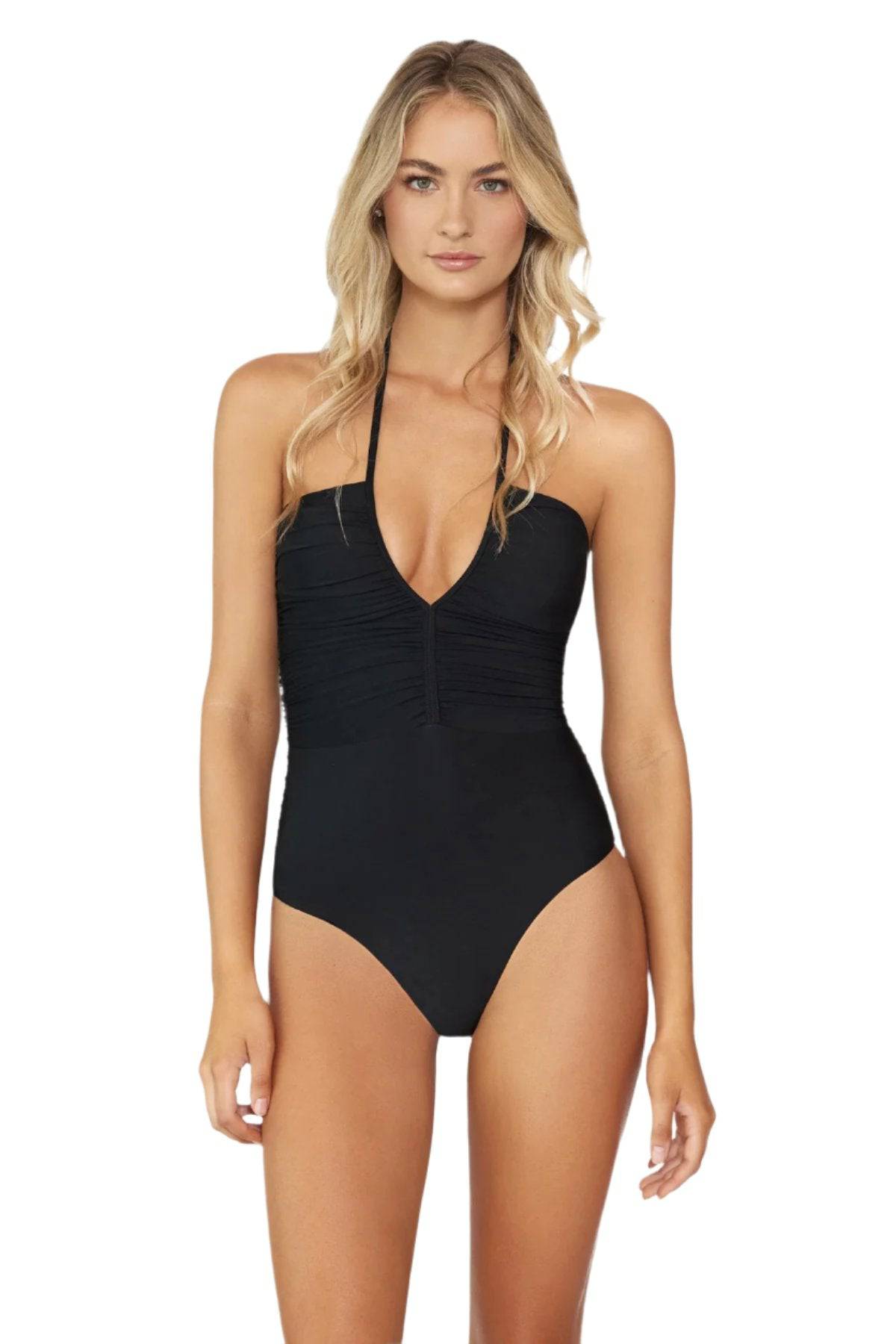
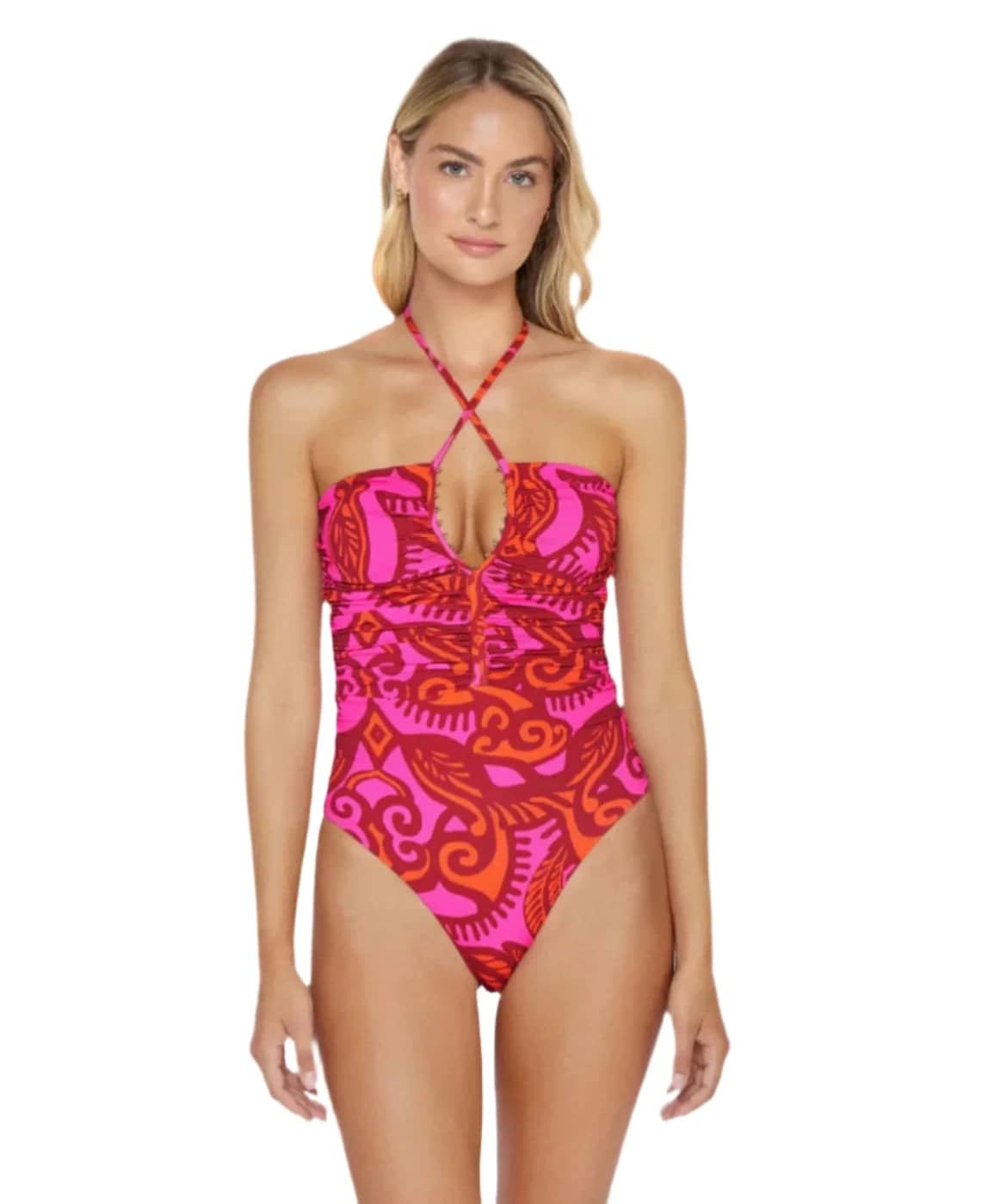
Structured one-pieces with internal bras
When selecting swimwear or hosiery, measuring your waist and height can help ensure a proper fit. Discover the range of swimwear options available for petite band sizes to find styles that suit your needs.
Support in swimwear is just as important as lingerie.
Benefits of Proper Sizing
Wearing the correct bra size offers a range of benefits that go far beyond appearance. A properly fitted bra provides essential support, helping to reduce back, neck, and shoulder pain. It also enhances the natural shape of your breasts, creating a smooth, flattering silhouette under clothing.
Proper sizing can boost your confidence and comfort, allowing you to move freely without worrying about slipping straps or shifting bands. It also helps prevent the discomfort and potential health issues caused by incorrectly fitted bras, such as skin irritation, poor posture, and even long-term muscle strain.
To enjoy these benefits, use a bra size chart, measure yourself regularly, and try different styles to find the best fit for your body and lifestyle. Whether you need a supportive underwire, a comfortable bralette, or a specific style for your shape, taking the time to find your correct size will help you feel your best every day.
Final Thoughts
A 26 band size is real, valid, and often overlooked. Wearing the correct band size transforms comfort, posture, and confidence, especially for petite frames.
At Olivia Paisley Intimates, we believe fit should never be limited by outdated size ranges. Every woman deserves lingerie that truly fits her body.