Bra Cups: Types, Uses, Sizing & How to Choose Inserts
What Are Bra Cups and Why They Matter
Bra cups are molded or padded pieces designed to shape, support, or modestly cover the bust in bras, swimsuits, dresses, and tops. Whether you’re looking for seamless coverage under a silk blouse or dramatic lift for a strapless gown, the right cups transform how clothing fits and feels on your body.
This article focuses on practical, real world choices that women face when shopping for or sewing with bra cups:
-
Sewn in cups for bridal gowns and formal dresses
-
Removable inserts for A–H cups in everyday wear
-
Silicone enhancers for AA–B cups seeking extra volume
-
Foam, fabric, and 100% silicone options for both padded and unpadded support
As of 2024, most off the rack bridal and evening wear uses pre-formed cups rather than built-in underwires, making it easier than ever to find or customize the perfect fit for your wardrobe.

Common Types of Bra Cups
Before diving into specific use cases, here’s a quick overview of the main categories of bra cups you’ll encounter when shopping or sewing. Each serves a distinct purpose depending on your outfit, bust size, and desired look.
-
Tear drop cups: Elongated, teardrop shaped foam cups often used in swimsuits, triangle bikinis, halter tops, and deep-V dresses for a natural silhouette.
-
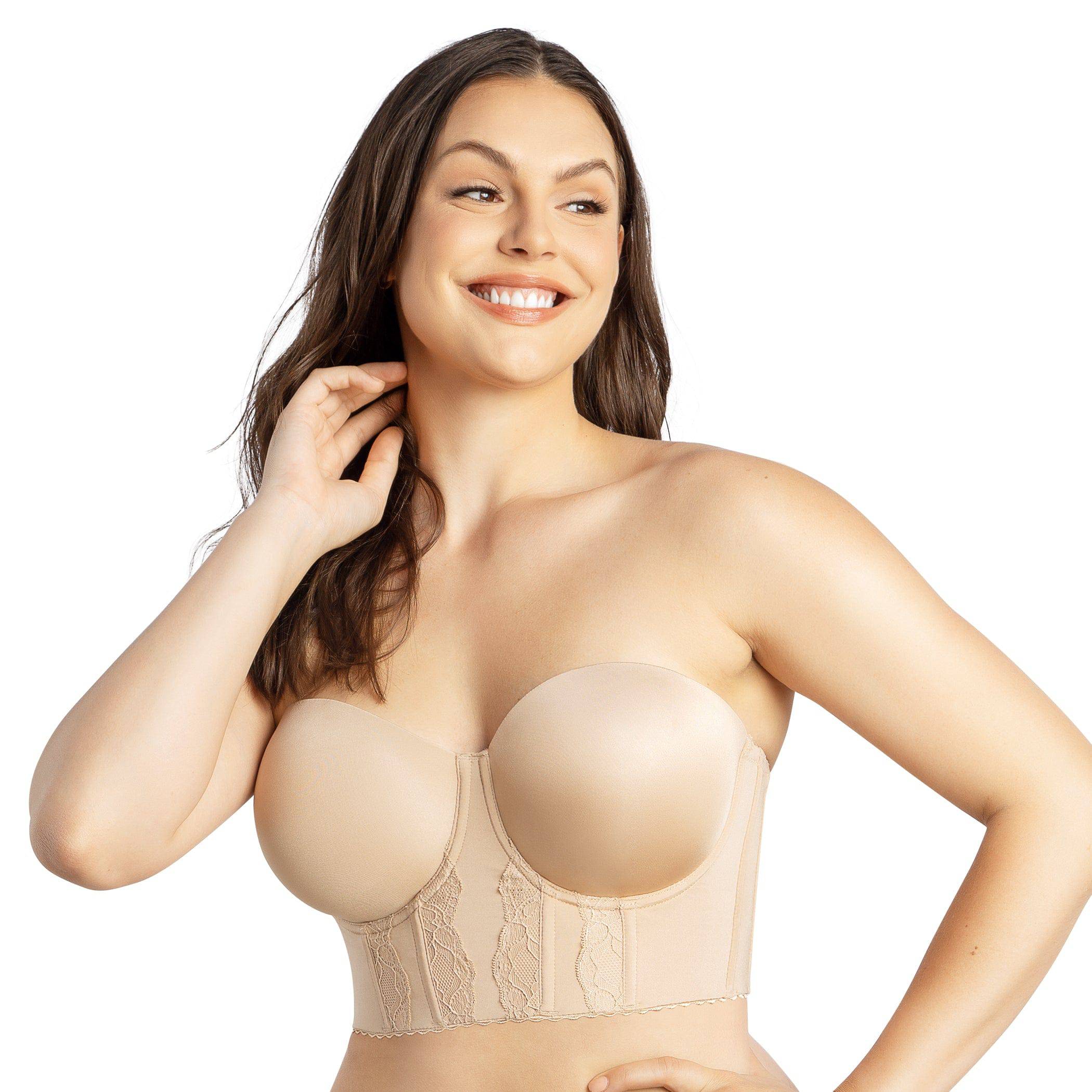
Balconette cups: Low cut, wider set cups that create a lifted, round shape ideal for square necklines, sweetheart bodices, and many bridal gowns.
-
Push-up / extra padded cups: These add ½ to a full cup size of volume for a more dramatic look under special occasion clothing and fitted dresses.
-
Unpadded / lightly lined cups: Provide structure without bulk, ideal for smoothing and crease reduction in fitted bodices where you want clean lines rather than added size.
-
Silicone inserts and enhancers: Separate pieces (often 100% silicone) that sit inside a bra or top to add volume, side fullness, or balance asymmetry.
-
Bra pads: Soft, thin foam pieces that add light coverage and prevent nipple show through without significant volume changes.
Note that silicone inserts and removable bra pads are typically easy to remove and reposition, while tear drop cups in swimsuits and balconette cups in bridal wear are usually sewn in permanently.
Tear Drop Bra Cups for Swimsuits, Dresses & Tops
Tear drop cups are one of the most popular shapes for swimwear and plunging dresses because they follow the natural curve of the bust. Their design makes them incredibly versatile for a range of styles where you want a smooth, feminine line without an overly structured appearance.
-
Shape description: Fuller at the bottom and tapered at the top, tear drop cups sit naturally under triangle bikini tops, halter necklines, and deep-V dresses without creating harsh edges.
-
Typical sizes and colors: Most quality brands offer sizes from A through H cups in standard fashion shades like Nude, Mocha, Black, and White to work with any skin tone or fabric color.
-
Care and durability: Good quality tear drop cups are usually machine washable and can be dry cleaned, but should always be air-dried flat to preserve their molded shape.
-
Best for: People wanting a natural looking line, a bit of lift, and modesty coverage without a heavy push up, effect perfect for everyday swimsuits and casual tops.
-
Fitting advice: The cup height should sit just under the bust apex and taper smoothly toward the shoulder or neckline seam, without visible ridges through the fabric.
When selecting tear drop cups for a specific garment, hold them against the bodice before purchasing to check that edges won’t show through thin or clingy materials.
How to Size Tear Drop Bra Cups Accurately
Sizing for tear drop cups is usually based on the difference between your full bust and under bust measurements, the same principle used for standard bra sizing.
-
Measure your full bust around the fullest part of your chest with the tape level but not tight; do this in front of a mirror to ensure accuracy.
-
Measure your under-bust directly below your bust with the tape snug against your skin while exhaling; this creates your band reference point.
-
When in doubt between two cup sizes, select the slightly larger option; foam edges can be trimmed by an experienced sewer if needed.
-
For custom garments, most pattern makers will ask for both bust measurements plus your desired coverage level (minimal, moderate, or full) to choose appropriate cup height and width.
This measurement approach works whether you’re ordering cups for DIY swimsuit projects or selecting inserts for a ready-made dress that needs a fit adjustment.
Silicone Bra Inserts for A/B Cups and Small Busts
Silicone inserts are separate bra cups designed primarily for AA–B cup wearers who want an instant ½ cup to 1 cup size increase without surgery or heavily padded bras. They’ve become a wardrobe staple for women seeking versatile enhancement options.
-
Seamless integration: Silicone inserts add volume inside existing bras, bralettes, and structured tops without requiring sewing or permanent alteration to your clothing.
-
Feel and construction: Made from 100% silicone with a soft, skin-like texture, these inserts are usually tear drop or oval shaped to blend naturally with your breast contour.
-
Adhesive options: Many products designed for smaller cup sizes are non-adhesive (relying on clothing support), while some variations use a light adhesive silicone or sticky backing for extra security.
-
Ideal use cases: Filling out cups that gape at the top, balancing asymmetry between breasts, adding subtle cleavage in evening wear, or improving the fit of bralettes that run slightly large.
Silicone inserts work particularly well under sports bras during light workouts when you want a smoother chest profile, though high impact activities may shift them.
Adhesive vs. Non-Adhesive Silicone Inserts
Both adhesive and non-adhesive silicone inserts exist, each suited to different outfits and comfort preferences. Understanding the difference helps you select the right type for your location and activity level.
-
Adhesive inserts (sticky styles): These lightly adhere to the skin, offer more placement control, and work well with backless, low-back, or strappy outfits where a traditional bra is difficult to wear.
-
Non-adhesive (grippy) inserts: Made from 100% silicone with a slightly tacky surface that grips fabric instead of skin; more comfortable for long wear and ideal for sensitive skin.
-
Outfit requirements: Non-adhesive inserts must be worn with snug-fitting bras, bralettes, or shelf bras, they are not designed to be worn alone in loose tops.
-
Comfort testing: Always test adhesive inserts at home for at least an hour before wearing them to events like weddings or parties to ensure they stay in place and feel comfortable throughout the day.
For backless dresses and special occasions, adhesive options provide the security you need, while non-adhesive inserts are the better choice for everyday wear.
Do Silicone Inserts Lift or Just Add Volume?
-
Most silicone inserts are designed primarily to add volume and improve roundness, not to create a strong push-up lift effect.
-
The main benefit is a fuller, smoother silhouette, particularly helpful for AA–B cups that don’t fully fill standard molded bras or bralettes.
-
Placement matters significantly: pushing inserts toward the outer sides of your bust creates more centered cleavage, while bottom placement focuses on upper-cup fullness.
-
For dramatic lift (one full cup size or more), extra-padded foam cups or built-in push-up bras may be more effective than thin silicone inserts.
If your goal is to achieve noticeable lift rather than volume alone, consider combining silicone inserts with a structured underwire bra for the best results.
Sew-In Bra Cups for Bridal, Bridesmaid & Formal Dresses
Many bridal gowns and formal dresses finished from 2018 onward use sewn-in foam cups instead of requiring separate bras. This approach gives dressmakers and brides more control over the final fit and silhouette of special occasion clothing.
-
Extra-padded balconette cups are popular for bridal wear because they add shape, modesty, and a subtle push-up effect under structured bodices without the need for a separate strapless bra.
-
Concrete example: An extra-padded balconette insert in beige, size E, typically costs around $19.99 per pair and works beautifully in strapless or off-the-shoulder gowns.
-
Padded vs. unpadded options: Sew-in cups come in padded versions for volume or unpadded versions for smooth shaping and crease reduction, available in standard sizes such as C, D, E, and beyond.
-
Bridesmaid applications: Unpadded sew-in cups in neutral tones (such as beige in size C) are often used for bridesmaids’ dresses where the goal is clean lines rather than extra cleavage.
-
Secure placement: Sew-in cups are stitched directly into the dress lining around the bust apex, so they move with the garment and stay in place throughout long events like all-day weddings.

Choosing Padded vs. Unpadded Cups for Special Occasions
The choice between padded and unpadded cups depends on three key factors: your desired silhouette, fabric thickness, and comfort for all day wear.
-
When to choose extra-padded cups: Select these for brides or event guests who want an instant size boost, more lift, and to fill out structured, thicker fabrics like mikado or heavy satin.
-
When to choose unpadded cups: Opt for these when the wearer prefers a natural profile, already has sufficient volume, or the dress fabric is thin and prone to showing edges.
-
Long-event comfort: For events lasting 8–12 hours (typical for 2024 wedding timelines), lighter cups reduce heat and pressure, especially in hot summer venues where comfort becomes essential.
-
Mixed approach: Stylists often recommend different options within a bridal party, padded cups for some dresses and unpadded for others, to even out the look across different body types.
When placing your order for sew-in cups, discuss both fit and comfort with your tailor to find the ideal balance for your specific event and style preferences.
How to Choose the Right Bra Cups for Your Outfit
Selecting the right bra cups inserts comes down to matching cup type to your clothing style, bust size, and personal comfort preferences. This quick guide helps you make smart decisions based on what you’re actually wearing.
-
Necklines matter: Use tear drop cups for triangle and halter tops, balconette cups for square and sweetheart necklines, and seamless molded cups for T-shirts and fitted casual tops.
-
Garment type determines best option: Sewn-in foam cups work best for bridal gowns and fitted dresses; removable inserts suit everyday bras; silicone enhancers are perfect for bralettes and structured tops.
-
Coverage and modesty: Choose thicker foam for extra nipple coverage under light fabrics; select thin or unpadded cups when the fabric is already substantial enough to provide coverage.
-
Color matching: Pick nude or beige shades close to your skin tone for invisible support; choose mocha or cocoa for deeper skin tones; select black or white when matching visible lingerie or a specific outfit.
-
Consider maintenance needs: Choose machine-washable foam cups for products you’ll launder frequently (like swimwear); reserve more delicate inserts for special-occasion garments worn only occasionally.
-
Test before committing: Whenever possible, try cups against your garment fabric before making a final purchase to check for visible lines or unwanted bulk.
The time you invest in selection pays off in confidence, knowing your bra cups will stay in place and create the silhouette you want lets you focus on enjoying your day rather than adjusting your clothing.
Caring for Foam and Silicone Bra Cups
Proper care extends the life of bra cups significantly, which is especially important for molded foam and silicone inserts. Following these simple maintenance steps keeps your products looking and performing like new.
For foam cups:
-
Hand wash or use a gentle cycle in a mesh laundry bag with cool water and mild detergent
-
Always air dry flat to prevent warping, never wring or twist foam cups
-
Store flat in a drawer rather than folded to maintain their molded shape
For silicone inserts:
-
Wash by hand with lukewarm water and a gentle soap after each wear
-
Air-dry with the surface facing up; avoid rough towels that can scratch the material
-
Keep adhesive or grippy surfaces covered with the protective film if provided
Heat warnings:
-
Never tumble dry, iron, or expose cups to direct high heat (radiators, hot car dashboards, etc.)
-
High heat can permanently deform foam and destroy adhesive surfaces on silicone products
Storage tips:
-
Store all cups flat, not folded or crushed, in a dedicated drawer or box
-
Keep cups separated to prevent adhesive surfaces from sticking together
-
Replace cups that show signs of cracking, peeling, or permanent deformation
With proper care, quality foam cups can last through dozens of wash cycles, and silicone inserts remain soft and effective for years of regular use.
Whether you’re preparing for a wedding, refreshing your swimwear collection, or simply upgrading your everyday bras, the right cups make all the difference in comfort and confidence. Start by measuring your bust accurately using the inch difference method, then match your cup type to your specific outfit needs.
Visit your local lingerie or fabric store to feel different cup materials in person, or add a few options to your cart online to test at home. With the right selection, every piece in your wardrobe can fit exactly the way you’ve always wanted and steer clear of lingerie fashion fails.