Understanding Size Bra DD: What It Really Means
DD is one of the most commonly misunderstood bra sizes. Often labeled as “very large,” a DD cup is actually a proportional measurement, not a fixed breast size. At Olivia Paisley Intimates, we believe knowledge is power, especially when it comes to finding a bra that truly fits and supports your body.
Many women wear incorrectly fitted bras, with estimates ranging from 70% to 85%.
This guide explains what a DD bra size means, who it’s for, and how to choose styles that offer comfort, lift, and confidence, while considering the diversity of women wear and the importance of specialist retailers in providing a wide range of sizes and expert fitting services. The misconception of 'giant sizing' for DD cups stems from historical difficulties in finding larger sizes, but today, many brands and specialist retailers offer options well beyond DD.
What Does DD Bra Size Mean?
A DD cup size indicates a five-inch difference between your underbust (band size) and your bust measurement. A D cup is one inch smaller than a DD cup, so a DD cup is bigger than a D cup. In bra cup sizing, each inch increase in bust measurement typically corresponds to a one-cup size increase. That’s it, no assumptions about appearance, body type, or clothing size.
To find your correct bra size, use a measuring tape or tape measure. Stand straight and measure your chest circumference (ribcage) just below your bust for your band measurement, and then measure the fullest part of your bust for your bust size. The difference between these two measurements determines your cup letter, and the band length is based on your underbust measurement. For example, a five-inch difference means a DD cup. Remember, the cup size of a bra is relative to the band size, so a 30DD has a different cup volume than a 38DD.
Bra measurement is important because breast shape, actual breast volume, and breast volume all affect fit. There is no comprehensive international standard for bra sizing, and band and cup sizes vary significantly between countries and brands, leading to only an approximate fit. In the US and UK, cup sizes increase by one inch, while in many other countries, they increase by two centimeters. The same person can be assigned different sizes by different brands or fitters, and even the same size can fit differently across brands.
For example:
-
A 32DD looks very different from a 40DD
-
A 34DD may have the same cup volume as a 36D or 32DDD (known as sister sizing, where a smaller band with a larger cup or a larger band with a smaller cup can have the same cup volume)
This is why DD is not “one size fits all.” Double letters like DD, FF, and GG (sometimes called double D, double F, or double G) are used to indicate larger cup sizes, and DDD sizes relate to E and F cups in some sizing systems. Sister sizes, smaller band, and smaller cup options help achieve a better fit, and different styles and dress size can also affect how a bra fits.
Many bra companies that manufacture bras for smaller cup sizes (A-D) now also make larger sizes, and more women are wearing larger sizes due to better fitting. There is a misconception that DD is a giant sizing, but DD cup size is not necessarily big, average bra size has increased, and larger sizes are more prevalent. The most common bra size sold in the UK in 2010 was 36D, showing a trend toward larger sizes. Bras are manufactured to accommodate a range of sizes and shapes, and DD+ bras are specifically designed with additional support features for larger cup sizes.
Historically, the term 'cup' was not used to describe bras until 1916 when two patents were filed. S.H. Camp and Company was the first to use letters of the alphabet (A, B, C, and D) to indicate cup size in 1932, but cup sizes A to D were not intended for larger-breasted women when first introduced. The UK did not adopt the American cup sizes until 1948, and band sizes became popular in the 1940s. Studies have shown that a significant percentage of women wear incorrectly fitted bras, often due to the lack of standardization in sizing.
Bra Components: Understanding the Anatomy of Your Bra
A well-fitting bra is more than just a number and a letter, it’s a combination of thoughtfully designed components working together to support your unique shape. Understanding the anatomy of your bra can make all the difference when it comes to finding your perfect bra size, especially if you wear a DD cup or are exploring different cup sizes.
Here’s a breakdown of the essential parts of a bra and how each one contributes to comfort, support, and the right fit:
-
Bra Band: The bra band is the foundation of your bra, wrapping around your rib cage and providing most of the support for your breasts. The band size is a key part of your overall bra size, and getting it right is crucial, too tight, and it can dig in; too loose, and it won’t offer enough support. A snug, level bra band helps keep everything in place, especially for DD bras and larger cup sizes.
-
Cups: The cups are designed to hold and shape your breasts. Cup size is determined by the difference between your bust measurement and your band size, so a DD cup size is not just about being “big”, it’s about the right cup volume for your body. Whether you wear a D cup, DD cup, or E cup, the cups should fully contain your breast tissue without gaps or spillage.
-
Underwires: Many bras, especially those made for DD cup sizes and above, use firmer underwires to provide extra lift and definition. The underwire should follow the natural curve of your breasts and sit flat against your chest for a properly fitted bra. If you prefer wireless styles, look for bras with sturdy construction and supportive fabrics.
-
Straps: Bra straps help distribute the weight of your breasts and keep the cups in place. Adjustable straps are essential for a well fitting bra, especially if you have a larger cup size. Straps should feel comfortable on your shoulders, never digging in or slipping off.
-
Center Panel: The center panel (or gore) connects the cups at the front of your bra. For a DD cup or any larger cup size, the center panel should lie flat against your sternum, helping to separate and support your breasts for a smooth, secure fit.
When shopping for bras, pay attention to how each of these components works together. A properly fitted bra will feel supportive and comfortable, with the band, cups, underwires, straps, and center panel all doing their part. If you notice discomfort, red marks, or shifting throughout the day, it may be time to reassess your bra size or try a different style.
It’s also important to remember that sizing systems can vary between brands and countries. For example, UK sizing labels a DD cup differently than some US brands, and what’s called a DD cup size in one sizing system might be an E cup elsewhere. Always check the sizing chart and try on different sizes to find your best fit.
By understanding the anatomy of your bra and how each part affects your bra size and cup size, you’ll be better equipped to find DD bras (or any cup size) that truly fit and flatter your shape. A well fitting bra is essential for comfort, confidence, and everyday support—so don’t settle for less!
Is DD Considered a Large Bust?
Not necessarily. DD sits in the medium to full bust range, depending on band size. While DD cup size is often perceived as big, it is actually a common and not particularly large size, especially with the availability of larger sizes like L, LL, or M cups. Many women are actually wearing DD cups without realizing it, often squeezed into D cups that are too small.
More women are now wearing properly fitted, often larger, bras, and the average bra size has increased over time. For example, the most common bra size sold in the UK in 2010 was 36D, showing a trend toward larger sizes becoming more prevalent.
DD breasts may appear:
-
Balanced on a broader frame
-
Full but proportionate on a smaller frame
-
More projected than a D cup
The key factor is fit, not the letter.
Signs You Might Be Wearing the Wrong DD Size
If you’re currently wearing a DD bra but experiencing discomfort, check for these signs:
-
Spillage or “quad boob”
-
Breast spilling over the edges (a sign of too small a cup)
-
Underwire digging into breast tissue
-
Gaping at the top of the cups
-
Straps slipping or digging
-
Band riding up the back
Any of these issues could mean your cup or band size needs adjustment. Many women wear incorrectly fitted bras, with estimates ranging from 70% to 85%. Incorrectly fitted bras can cause discomfort beyond the breasts, including neck pain.
Best Bra Styles for DD Cup Size
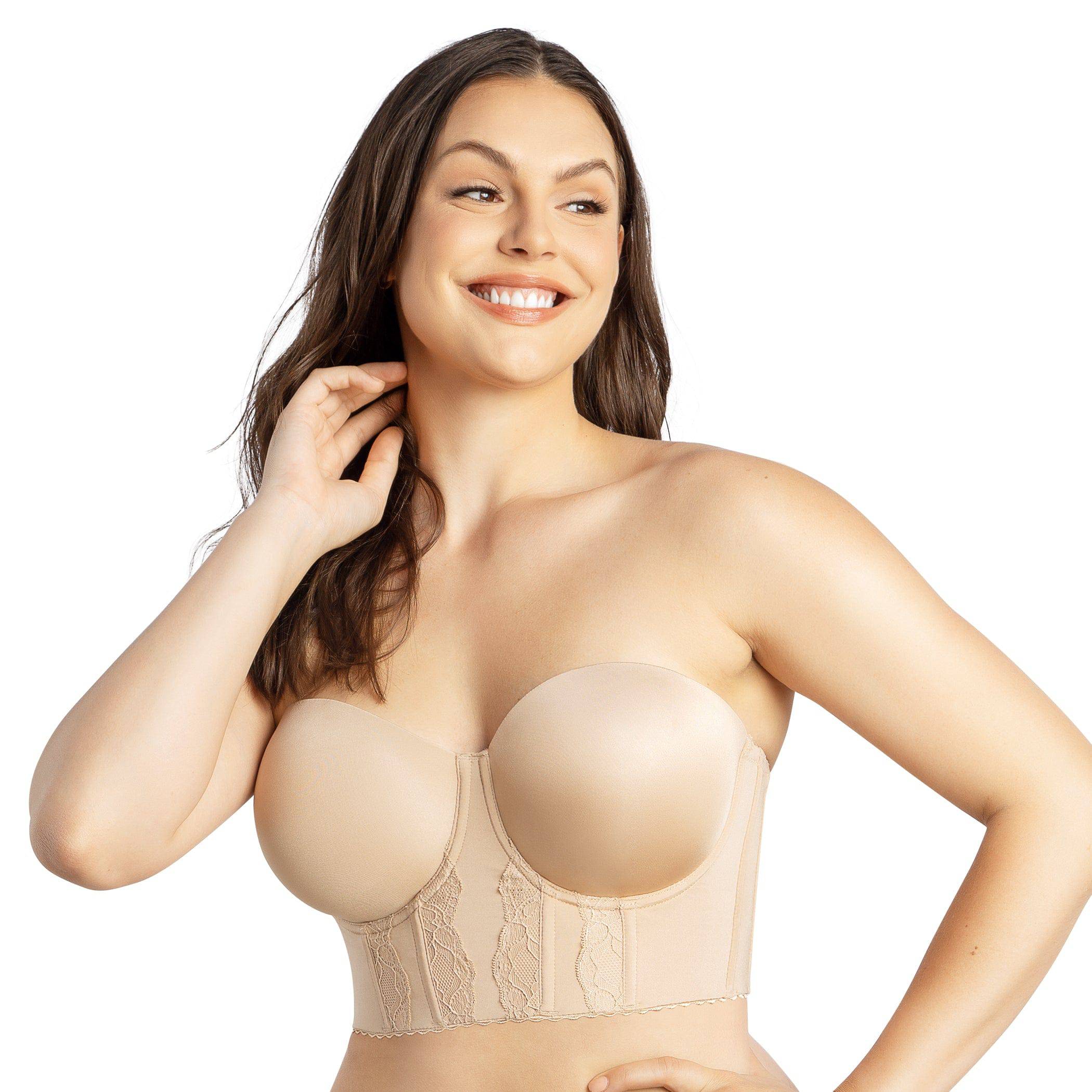
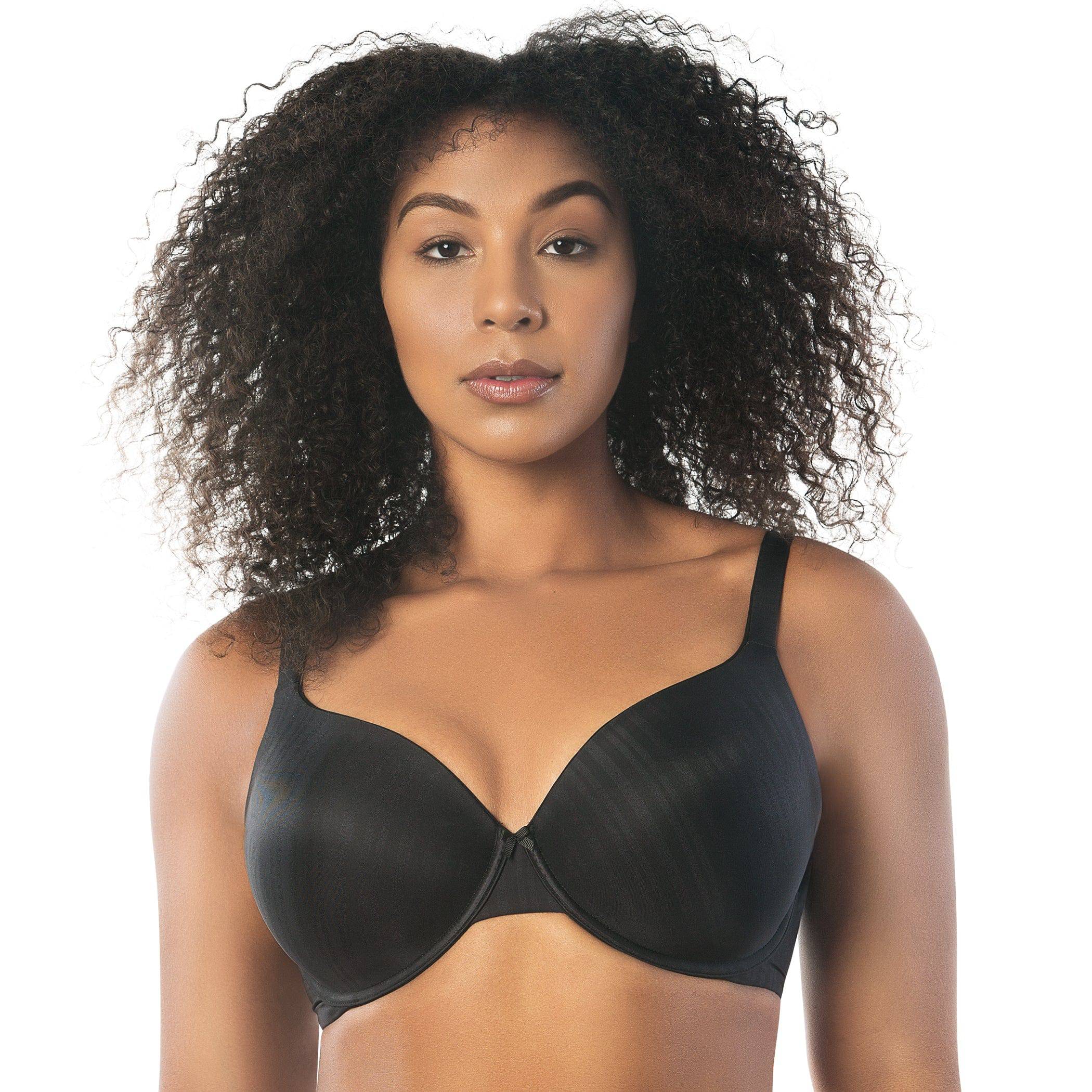
1. T-Shirt Bras
Smooth, molded cups create a clean silhouette under clothing.
2. Balconette Bras
Lift and shape while keeping the bust centered.
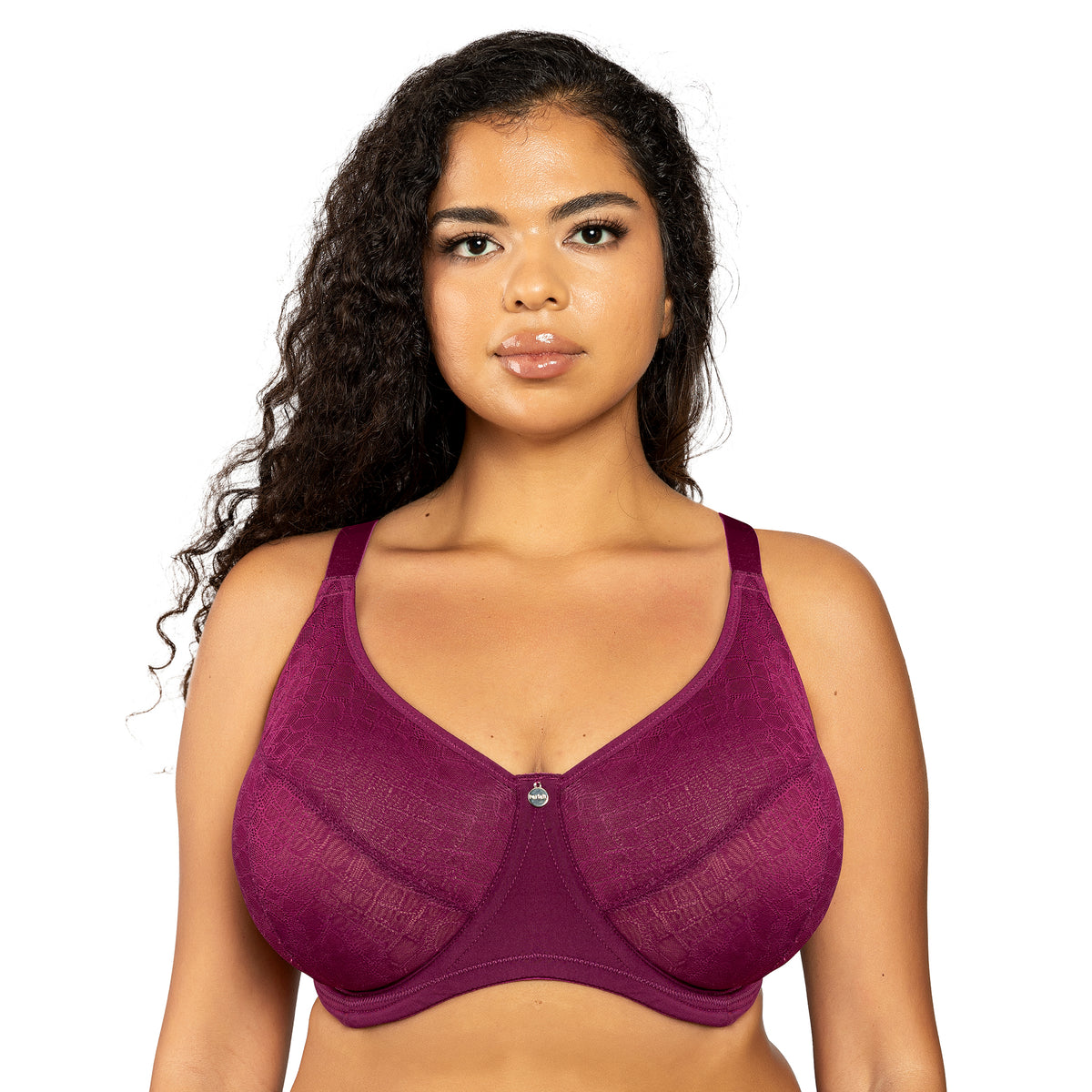
3. Full-Coverage Bras
Ideal for everyday comfort and secure support.
4. Wireless Support Bras
Structured, wire-free bras can work beautifully for DD cups when properly designed.
5. Plunge Bras
Perfect for low-cut tops without sacrificing lift.
How a DD Bra Should Fit
A properly fitted DD bra should:
To learn more about finding a well-fitting bra, especially if you wear a 42B, consider these key fit points:
-
Sit snugly and level around the ribcage
-
Fully contain breast tissue without overflow
-
Have underwire resting flat against the chest
-
Have the bra's center panel lie flat against the sternum without gaping or warping
-
Feel supportive without pressure points
-
Stay in place throughout the day
A correctly fitting bra should have the band flat against the body and not ride up or be loose. DD cup bras should have wider shoulder straps to help distribute weight and provide comfort.
Support should come from the band, not the straps.
DD Bra Fit Tips for Maximum Comfort
-
Always scoop and swoop when putting on your bra
-
Choose wider straps for all-day wear
-
Look for side support panels if you experience spillage
-
Re-measure every 6–12 months, as changes in breast shape can affect fit
-
Visit specialist retailers for a wider range of sizes and expert fitting services
-
Consider professional bra fitting, especially if you wear a DD cup or larger
Small adjustments can make a big difference in comfort.
Common Myths About DD Bras
“DD is too big for wireless bras.” Not true, well-constructed wireless bras can offer excellent support.
“DD bras are hard to find.”Many brands now design specifically for DD and above. In fact, DD is not the largest size available, there are cup sizes well beyond DD, such as L, LL, or M. The idea of 'giant sizing' for DD is a myth; sizing is relative, and DD is just one of many options.
“DD bras can’t be sexy.”Style and support absolutely go together.
“DD is a giant size.”This is a common misconception. DD cup sizes are often misrepresented in media, leading many to believe they are much larger than they actually are. Additionally, many women are mis-sized into DD cups simply because they are often the largest size available in stores, not because DD is the best fit.
Final Thoughts
DD bra size isn’t about being “big” or “small”, it’s about proportion, support, and fit. When you understand what DD really means and choose bras designed for your body, comfort and confidence come naturally.
At Olivia Paisley Intimates, we’re committed to creating bras that celebrate every woman’s shape because the right fit changes everything.