G Cup Breast Size: Understanding Fit Support
Women with size G breast often face unique challenges when it comes to finding bras, swimwear, and comfortable lingerie. At Olivia Paisley Intimates, we understand that support, shape, and confidence are just as important as style, especially for fuller busts. This guide explains what it means to have G cup breasts and how to choose the right bras for maximum comfort and lift.
What Is a G Cup Breast?
Bra cup sizes are determined by the difference between your bust measurement and your under bust (band) measurement. A G cup is not a fixed size; it typically corresponds to an 8 or 9 inch difference between the under bust and over bust measurements, but the actual cup volume depends on the band size and can vary by sizing system.
Bra sizing has evolved over time. The term 'cup' was first used to describe bras in 1916 when two patents were filed. In October 1932, S.H. Camp and Company was the first to use letters of the alphabet (A, B, C, and D) to indicate cup size. Bra cup sizes as we know them were invented in 1932, while band sizes became popular in the 1940s.
For example:
- 34G = 34-inch band, 42-inch or 43-inch bust
- 36G = 36-inch band, 44-inch or 45-inch bust (a 36G bra has a 36-inch band and a 43-inch bust)
The volume of a G cup is approximately 1,250 cc per breast.
Each cup size only exists in conjunction with a band size, so a 30G and a 38G have different volumes even though they share the same letter. Different band sizes can have cups with the same cup volume, these are called sister sizes, and they are interchangeable options for a similar fit. Sister sizes for a G cup include 30GG and 34FF, which maintain the same volume but differ in band size.
When comparing cup sizes, a B cup is considered small, a C cup is widely known as an average size, and a DD cup is a common size that falls in the middle of the size range. G cup is significantly larger than the average US cup size, which is typically a D cup, but it is not the largest size available. H cup and J cup sizes are even larger, with the difference between a G cup and an H cup typically being one inch in bust measurement. G cup is often considered one of the largest sizes available in common lingerie stores, but larger sizes like H and J do exist, especially in specialty shops or certain brands.
It’s important to note that G cup sizing varies between the US system and UK sizing. In the US, a G cup is not the same as a UK G cup, and some systems use double letters (like FF, GG, or DDD) to denote specific cup volumes. Always consult a brand’s sizing system or size chart to ensure the correct fit, as cup size definitions and measurements can differ between brands.
The DD-G cup segment is a key size range, but many off the rack bras stop at DD or DDD, making G cup options limited and often compromising on support and comfort.
Understanding Breast Shape
When it comes to finding the correct bra size, understanding your unique breast shape is just as important as knowing your measurements. Breast shape can vary widely, from teardrop and round to athletic or asymmetric and each shape interacts differently with various bra styles. For example, women with teardrop-shaped breasts may find that bras with a curved underwire and deeper cups provide a more comfortable, well fitting bra, while those with round breasts might prefer a wider cup for full coverage and support. The perfect bra should accommodate your natural breast shape, ensuring that the cups fit smoothly without gaping or pinching, and that the bra provides the right amount of lift and support. By considering both your breast shape and bra size, you can select bra styles that enhance your comfort and confidence, making it easier to find that elusive perfect bra.
Measuring Bra Size
Finding the right bra size is the foundation of comfort and support, especially for women with G cup breasts. The process starts with two key measurements: your band size and your cup size. All you need is a soft tape measure and a few minutes in front of a mirror.
measuring your band size. Wrap the tape measure snugly around your rib cage, just under your bust, making sure it stays level and parallel to the floor. The band should fit snugly, secure but not painfully tight, as this ensures the correct bra band size and provides essential support. In fact, the band provides 80-90% of the support for larger cup sizes. This measurement, taken while standing straight, gives you your band size, the number part of your bra size (like the “34” in 34G). For a new bra, it should fit snugly on the loosest hook to allow for stretch over time.
Next, measure your bust size by wrapping the tape measure around the fullest part of your bust, usually across the nipples. Keep the tape level and avoid pulling too tight. The difference between this bust measurement and your band size determines your cup size. For example, a 7-inch difference typically means a G cup size, but always check the brand’s sizing system, as cup sizing can vary, especially for smaller cups like AA cup or when comparing international sizing conventions. When measuring, consider the actual breast volume and cup depth, as these factors influence how the bra fits and feels. Cup depth is particularly important for ensuring the cup accommodates the three dimensional shape of your breast.
For G cup breasts, getting these measurements right is crucial. A properly fitted bra will support your breast tissue, help prevent back and shoulder pain, and ensure the cups lie flat without gaping or spillage. Always check the top edge of the cup to make sure there is no overflow or spillage, and that the bra fits properly. The underwire should completely surround the breast tissue and lie flat against the chest wall, while the center panel (gore) must lie flat against the sternum. Soft tissue can affect how the band and cups fit, so take this into account, especially for larger breasts.
If you’re unsure about your measurements or find that bras still don’t fit comfortably, consider a professional bra fitting, many lingerie stores offer this service for free. Remember, finding the correct size is essential, as studies have shown that 70-80% of women wear the wrong size bra, often due to a band that's too large and a cup that's too small. If you need to adjust your size, try going up or down one cup or using sister sizing (for example, increasing the band size and decreasing by one cup to maintain volume).
Remember, your breast shape and body type also play a role in finding the right bra. Some women with G cup size may need a wider band or deeper cup to accommodate their unique shape. Sizing conventions can vary for smaller cups and across brands, so be aware of these differences. Don’t be discouraged if you need to try several styles or sizes; the perfect bra is out there, and it can make a world of difference in your daily comfort and confidence.
By taking the time to measure accurately and consider your individual needs, including actual breast volume, cup depth, and soft tissue, you’ll be well on your way to finding a G cup bra that fits beautifully, giving you the support, lift, and comfort you deserve.
Sister Sizing and Bra Fit
Sister sizing is a helpful strategy for finding your correct bra size, especially if your usual size isn’t available. Sister sizes are bra sizes that share the same cup volume but differ in band size and cup letter. For instance, if you wear a 34G but can’t find it, you might try a 36F or a 32H, these are sister sizes with the same cup volume but different band sizes. Understanding this relationship between band and cup sizes can make a big difference in achieving a well fitting bra. The key to a perfect bra fit is ensuring the band fits snugly around your ribcage, the cups fully contain your breasts without spillage, and the underwire lies flat against your chest. Adjustable straps and a supportive band further enhance comfort and fit. By exploring sister sizes, you can find a bra that fits your body perfectly, even if your exact size isn’t on the rack.
Challenges of G Cup Breasts
Women with G cup breasts may experience:
- Shoulder and back strain from inadequate support
- Straps that dig into the shoulders, which can cause discomfort or even long-term back issues for women with larger breasts
- Difficulty finding bras with proper coverage and lift, especially for big breasts
- Spillage or gaping in standard bras, often due to wearing the wrong size, such as a larger band with a smaller cup or too small a cup
- Limited options in swimwear and lingerie
- The prevalence of ill fitting bras and incorrectly fitted bras is high among women with larger breasts, leading to reduced support, skin irritation, and musculoskeletal pain
Many women with G cup sizes may still fit into DDD cups due to sister sizing, which allows for variations in fit while maintaining the same cup volume. Additionally, many women with G cup sizes may feel pressured to wear smaller sizes due to misconceptions about larger cup styles being unattractive.
This makes selecting a fitting garment and the best fitting garment critical for comfort and posture. Regular fittings every six months are recommended, as breast size can change with weight and hormones.
Consumer Measurement Difficulties
Measuring for a bra can be tricky, especially for women with larger breasts or those new to bra shopping. One common challenge is getting an accurate band size, as the tape measure needs to be pulled tight around the rib cage, which can be uncomfortable or difficult if the tape sinks into the skin. Using a flexible tape measure and ensuring it stays level can help, but sometimes it’s best to ask for assistance from a professional bra fitter. Measuring cup size can also be challenging, particularly if you have uneven breast tissue or if the tape measure doesn’t lie flat across the fullest part of your bust. For the most accurate results, stand straight and relaxed, and don’t pull the tape too tight. Remember, the goal is to capture your true shape and size so you can find a bra that fits and supports you comfortably.
Features to Look for in G Cup Bras
1. Strong, Supportive Bands
- Wider bands distribute weight evenly
- Multiple hook and eye closures ensure secure fit
- The bra band should fit snugly and provide most of the support
- A properly fitted band is determined by the under bust measurement, which should be taken directly beneath the breasts for the best support
- A new bra should fit snugly on the loosest hook to ensure proper support and allow for longevity as the band stretches over time
2. Full Coverage Cups
- Encapsulated cups prevent spillage by offering adequate cup depth, which is important for full coverage and support.
- Always check the top edge of the cup to ensure breast tissue does not spill over, confirming a proper fit.
- Provide a smooth, lifted silhouette
3. Underwire with Proper Depth
- High quality underwire lifts without digging
- Supports the bust from the base, not the straps, and for extra comfort, consider selecting bras made from breathable, moisture wicking modal fabric
4. Side Support Panels
- Helps center the bust and prevents “side spread”
- Improves posture and overall comfort
5. Wide, Cushioned Straps
- Reduce pressure on shoulders
- Prevent straps from digging or slipping
Manufacturer Design Standards
Not all bras are created equal, different manufacturers use varying design standards that can significantly impact how a bra fits and feels. Some brands design their bras with a more relaxed fit, while others opt for a snugger, more supportive construction. The choice of fabric also plays a role; stretchy materials may offer more give, while firmer fabrics provide greater support. Additionally, the shape of the cups, the depth of the underwire, and the overall design can all affect comfort and fit. Because of these differences, it’s important to try on bras from different brands and pay attention to how each one feels on your body. Manufacturers that consider a wide range of breast shapes and sizes in their designs are more likely to offer bras that provide a comfortable, supportive fit for every woman.
Best Bra Styles for G Cup Breasts
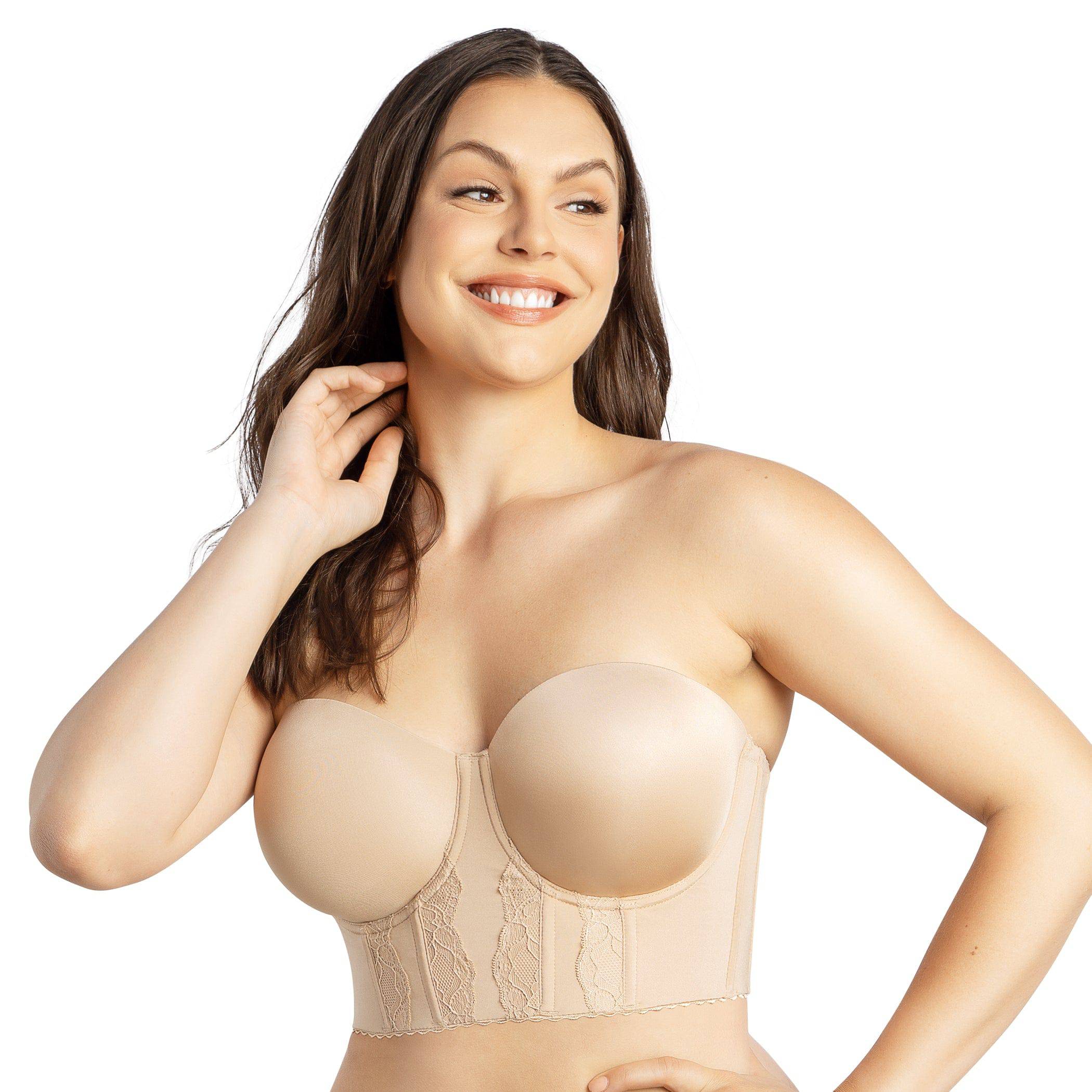
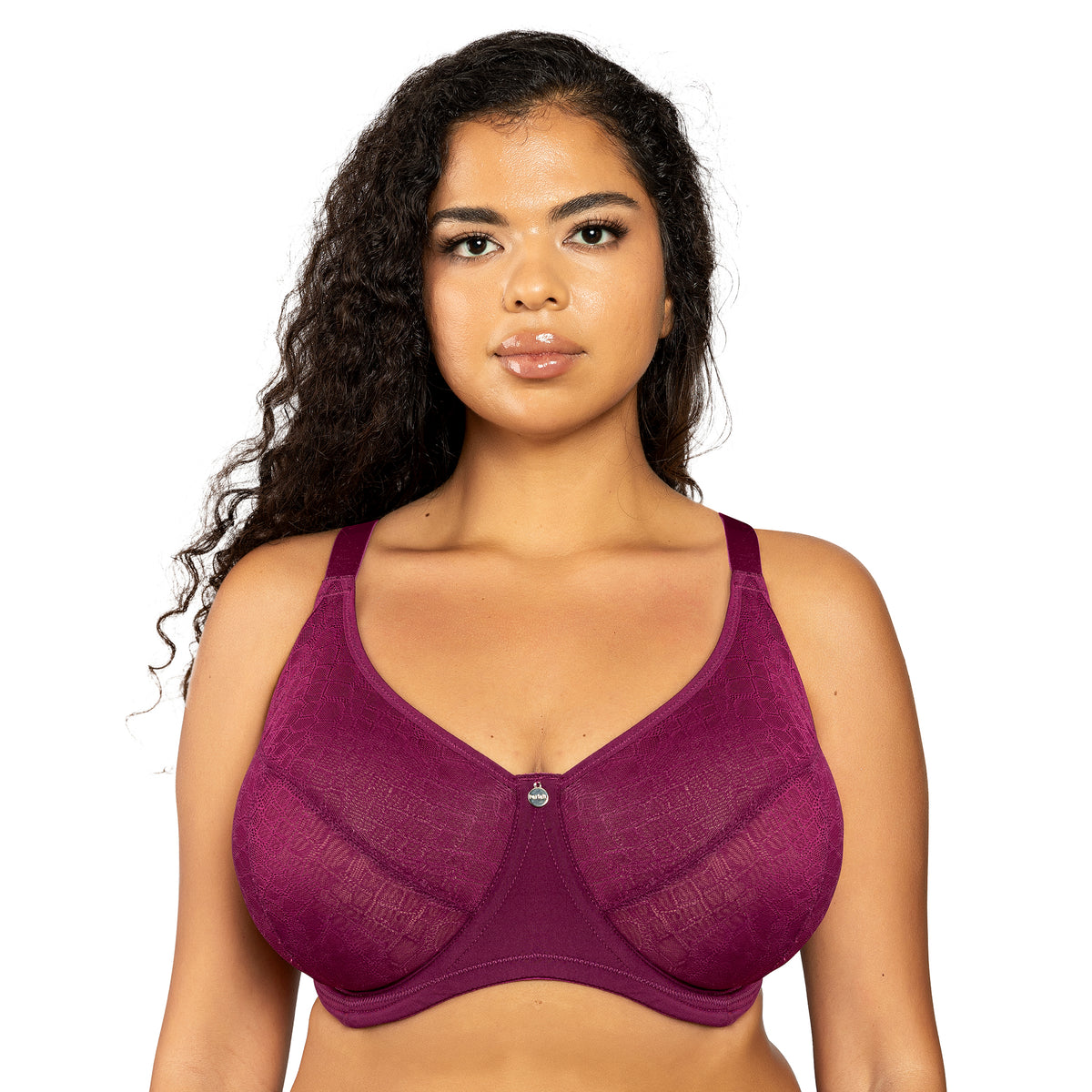
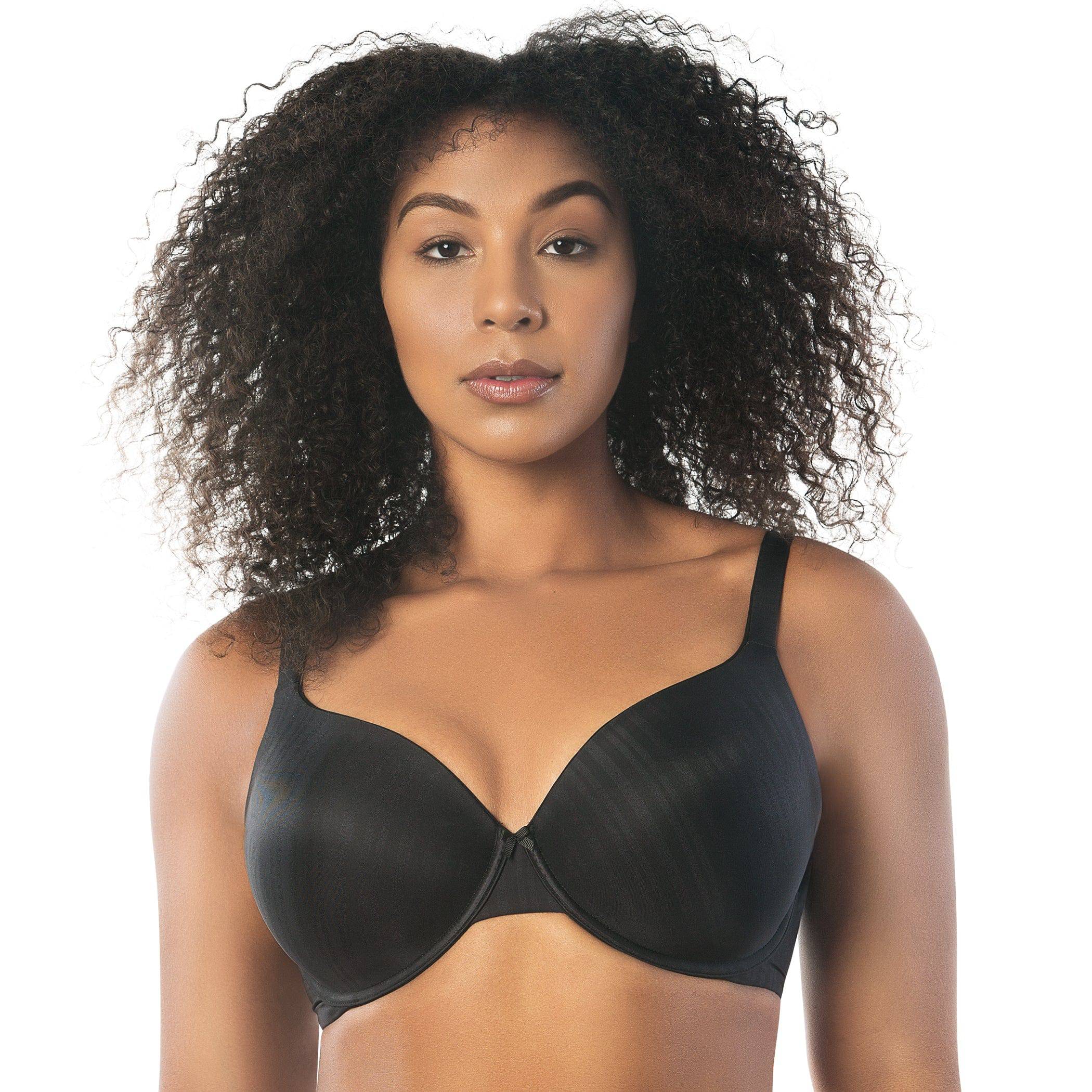
- Full Coverage Bras: Ideal for daily wear and heavy busts
- Balconette Bras: Lift and shape while maintaining support
- Minimizer Bras: Reduce projection for a sleeker look
- Plunge Bras: Provide cleavage without sacrificing lift
- Wireless Support Bras: Advanced paneling allows wire free support
Tips for Finding the Perfect G-Cup Bra
- Know your band and cup measurements, cup size alone isn’t enough. Use a measuring tape to measure both your underbust and bust circumferences for accurate results. Measuring cup size precisely is essential, and you may consider professional systems used by plastic surgeons or seek a professional fitting to ensure you find the correct cup size and correct bra size for optimal comfort and support. It's important to find the correct size, but keep in mind that sizing bras can be complex due to different sizing systems, such as traditional band and cup sizes or simplified sizes like XXS through XXL for sports bras and bralettes. Measuring your actual breast volume can also help achieve a better fit, as it provides a more precise understanding of your needs.
- Adjust straps properly to distribute weight.
- Check cup shape, different brands may suit different bust shapes.
- Make sure your bra fits properly, especially when trying a new bra. Pay attention to how the band, cups, and straps feel, and ensure the new bra provides the right support and comfort.
- Rotate bras regularly to preserve elasticity.
- Prioritize comfort and lift over style alone.
Bra sizes can vary significantly between different manufacturers, so always try on bras before purchasing when possible. The use of cup sizing and band measurement systems has evolved over time and continues to change, so staying informed about sizing methods can help you find the best fit.
If your exact G cup size is unavailable, try using sister sizes, bras with the same cup volume but different band sizes to find a similar fit.
Advertising and Retail Influence on Bra Size
The way bras are marketed and sold can have a big impact on how women perceive their own bra size and what options they think are available. Advertising often highlights certain bra sizes or styles as more desirable, which can lead women to choose bras that don’t actually fit their bodies. Retailers may also stock a limited range of sizes, especially for larger breasts, making it harder to find the right bra in store. This can be discouraging, but it’s important to remember that the best bra size is the one that fits you comfortably and supports your body type. Online shopping has opened up a wider world of options, allowing women to explore different brands, sizes, and styles from the comfort of home. Focus on finding a bra that feels good and fits well, rather than trying to fit into a size promoted by advertising or limited by retail stock.
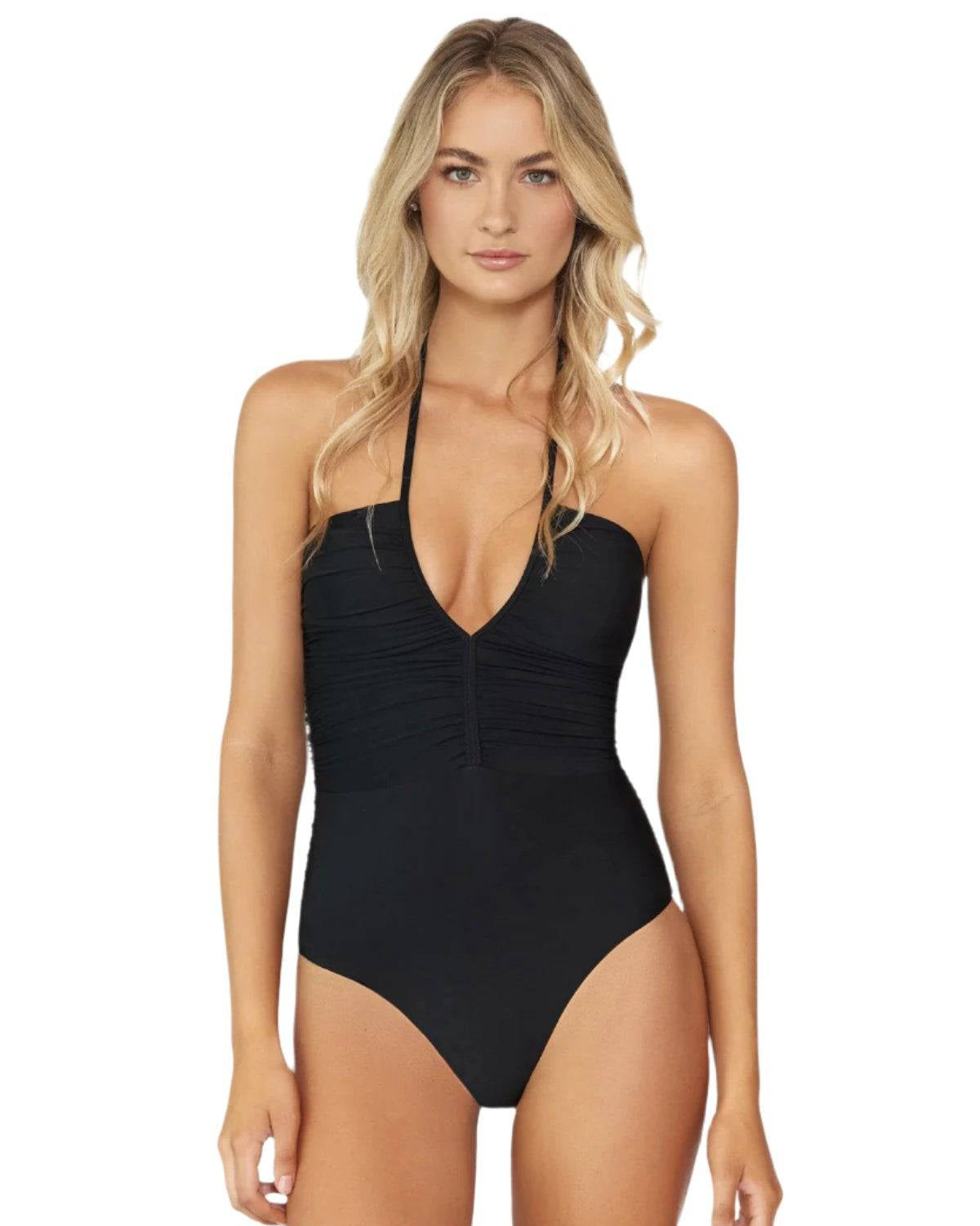
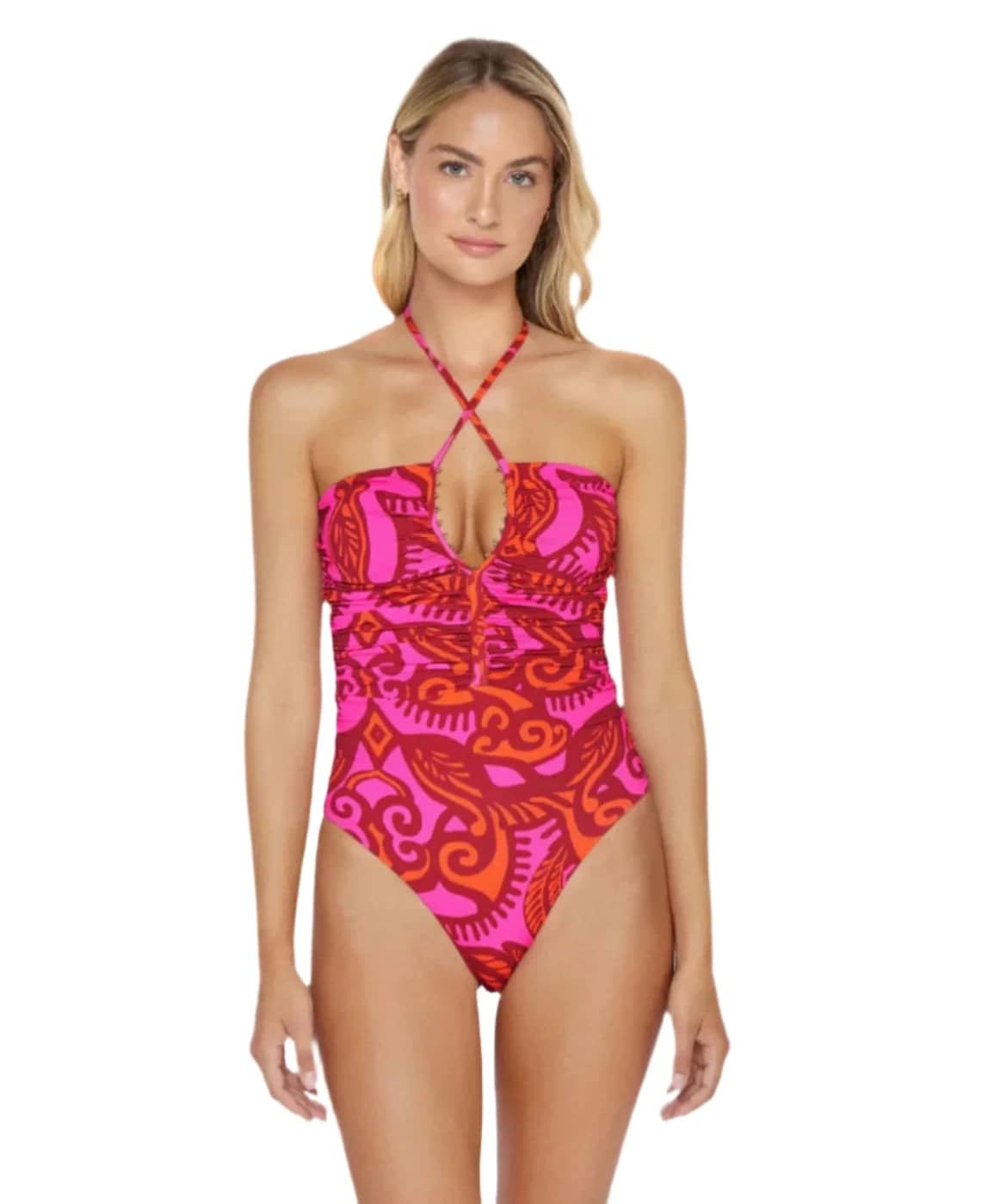
Swimwear and Lingerie for G-Cup Breasts
G-cup breasts can also benefit from structured swimwear and lingerie:
- Bra selection is crucial, choosing a fitting garment or best fitting garment ensures optimal support, comfort, and style for G cups. Finding stylish bras in G cup sizes can be challenging due to limited options in mainstream stores, so consider manufacturers that specialize in full-bust sizes, as they design specifically for these proportions.
- Consider your body shape and chest size when selecting swimwear and lingerie to find pieces that complement your natural silhouette. Choosing clothes that complement your chest size and G cup breasts can help you achieve a balanced and flattering look.
- Swimsuits with built in bras offer lift and support.
- Underwire or molded cups enhance shape, and some styles or plunge bras may cover only half the breast for a specific, sexy look.
- Full coverage bikini tops prevent spillage.
- Wide straps and reinforced bands are essential for comfort.
- Garments with darts or princess seams help achieve a tailored fit for G cups, avoiding a tent like appearance.
- Structured blazers, fitted knits, or wrap dresses highlight curves without overwhelming them.
- Flattering necklines for G cups include V-necks, scoops, and square necks, while turtlenecks and high necklines should be avoided.
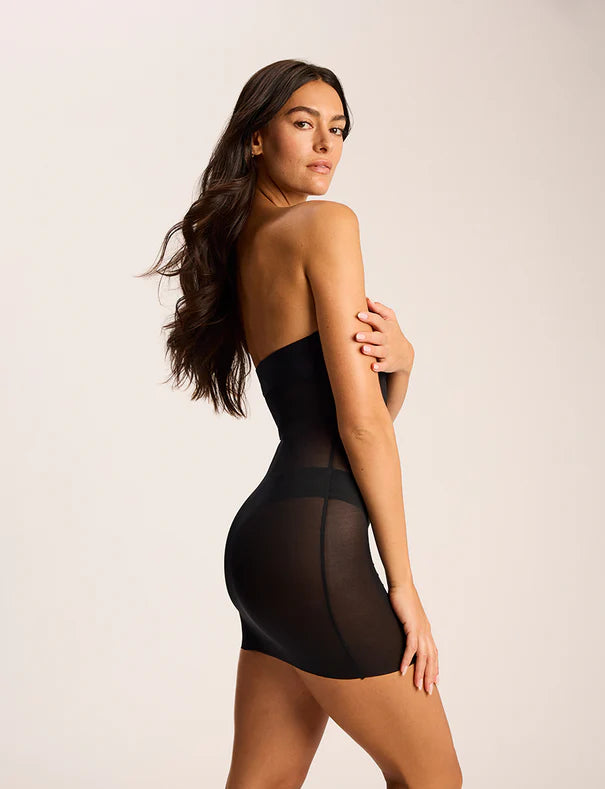
- Investing in shapewear or bodysuits helps create a smooth base under clothing without compressing the chest.
- Choosing clothes that feel good is just as important as slipping into the right bra size. The only secret to feeling good is confidence and the right fit. Women love sexy lingerie and clothing that accentuates their curves, so embrace your style and choose outfits that make you feel empowered.
Common Myths About G Cup Breasts
“You can't find sexy bras in G cup.”
Modern brands design stylish options for every cup size.
“You need extra padding to look proportional.”
Properly fitted bras provide shape naturally.
“Larger cup sizes are uncomfortable.”
When engineered for support, G cup bras can be just as comfortable as smaller sizes.
G cup breasts deserve bras and lingerie designed for real comfort, real support, and real confidence. At Olivia Paisley Intimates, we focus on construction, fit, and style, so that every woman feels secure, lifted, and beautiful, no matter her cup size.
The cup letter in a bra size, such as G, represents a specific cup bra size and g cup bra size, which corresponds to a certain breast volume and breast weight. A G cup holds approximately 950-1100 cc of breast tissue, and a pair of G cup breasts is estimated to weigh about 3.5 pounds (1.59 kg). Understanding breast volume and how much breasts weigh is important for finding the right fit and support.