How to Weight Your Breast: A Practical, Body-Positive Guide
It’s not a question that comes up every day, but for many women, understanding the weight of their breasts can be surprisingly helpful. Whether you’re shopping for supportive bras, addressing back discomfort, or simply curious about your body, knowing how breast weight works can provide useful insight. Breast weight can also be relevant for those considering breast surgery or managing a medical condition related to breast size or support.
Let’s walk through what breast weight means and how to estimate it safely and realistically. Breast composition, including glandular tissue, connective tissue, and fat, as well as the shape of your breasts, both influence breast weight, and these factors can vary widely from person to person.
While there are rough estimates of breast weight, more accurate methods are available for those who need them, including online tools like a dedicated breast weight calculator.
How to Lose Weight in Your Breast
Breast health represents a fundamental component of comprehensive wellness protocols, and understanding your breast weight specifications can serve as a critical determinant in your daily comfort optimization journey. Many women across the industry experience significant discomfort, chronic pain, or postural modifications attributed to their breast tissue mass distribution. This occurs because breast composition consists of both adipose tissue and mammary glandular tissue, with density variations that demonstrate considerable individual specificity across patient populations. Heavier or denser breast configurations typically require enhanced structural support systems, making precision-fitted, professionally engineered supportive brassiere selection essential for optimal comfort and health maintenance protocols. Developing expertise in breast weight assessment and density evaluation enables women to make informed, strategic decisions regarding their undergarment investments, daily activity modifications, and appropriate timing for seeking specialized medical consultation when pain or discomfort escalates beyond manageable parameters. Remember, pursuing comprehensive breast health management represents a distinctive and memorable step toward achieving your optimal wellness goals.
Why Breast Weight Matters
Breast weight can influence several aspects of daily comfort and support, including:
- Back, neck, and shoulder strain
- The level of support needed in bras or swimwear
- Posture and overall body alignment
- Fit when choosing structured garments, including figuring out bras for big busts under backless dresses
- Discomfort or strain in the shoulders due to breast weight
Women with larger breasts or heavy boobs are more likely to experience back, neck, and shoulder pain, making proper support, such as wider straps and bands, crucial for alleviating these symptoms.
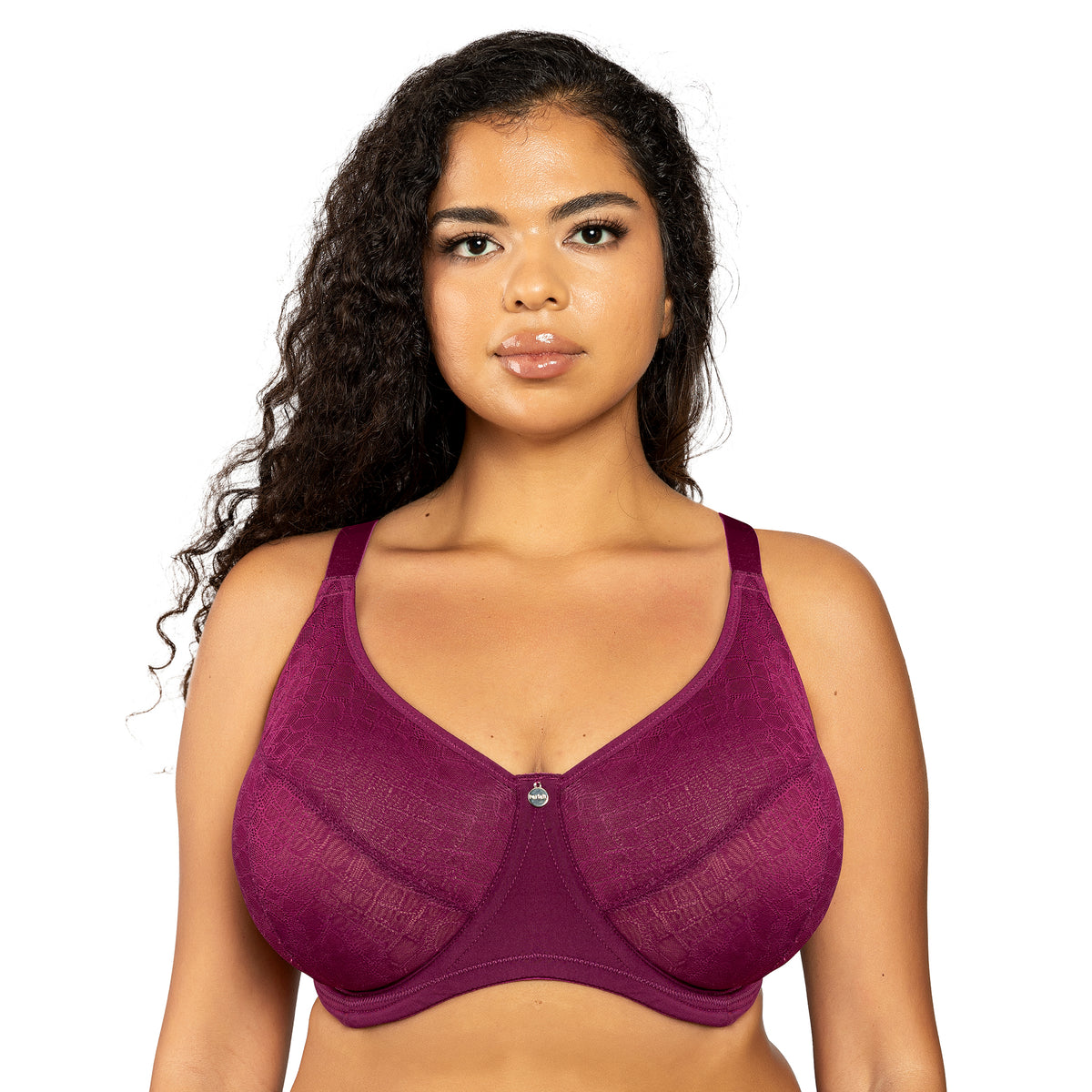
Heavier breasts, in particular, often require more engineered support, such as wider bands, reinforced straps, and full-coverage cups, and choosing bras designed for support and lift can make a significant difference in daily comfort.
Can You Actually Weigh Your Breasts?
There’s no simple or exact way to isolate and weigh breast tissue on a scale, but you can estimate your breast mass or approximate weight using certain methods. However, there are safe estimation methods that can give you a reasonable idea.
The most accurate way to estimate breast weight at home is the water displacement method. Alternatively, you can use tape measurements of breast radius and projection, applying a density factor of approximately 0.9 g/cm³, to get an approximate weight.
Method 1: Water Displacement (Volume Estimation)
One of the most commonly referenced approaches is based on volume, not direct weight. The water displacement method is regarded as the most accurate DIY technique for estimating breast weight.
How it works:
- Gather a large bowl of water, a tray with a lip, and a kitchen scale.
- Place the tray underneath the bowl to catch any water that overflows.
- Fill your bowl with water completely so that when you submerge your breast, the entire breast will be fully submerged, and any displaced water will spill into the tray.
- Carefully and comfortably submerge one breast so the entire breast is fully submerged.
- Remove your breast and weigh just the tray with the displaced water on the kitchen scale. Subtract the weight of the empty tray to get the weight of the displaced water.
- Since breast tissue has a different weight than water, multiply the weight of the displaced water by 0.9 to estimate your breast weight.
- Repeat the process for your other breast, as breast asymmetry is common, and each may have a different weight.
Since 1 milliliter of water ≈ is 1 gram, you can estimate the volume and, after adjustment, the weight of the breast.
Keep in mind:
- This method is approximate, not precise
- Breast tissue density varies (fat vs. glandular tissue)
- It may feel impractical for everyday use
Method 2: Estimating by Bra Size
While not exact, bra cup size can offer a general idea of breast volume and weight, but it's important to note that even women with the same cup size can have significantly different breast weights due to variations in breast density and composition.
An AA cup is the smallest standard cup size, with each increase in cup size representing a larger difference between the bust and band measurements. The difference between your band size and bust size determines your cup size.
You can also estimate breast weight based on your bra size using a corresponding weight chart. For example:
- Smaller cup sizes (AA–A–B) typically weigh less than 1 pound per breast, with each breast weighing between 200 and 500 grams, depending on body composition
- Medium sizes (C–D) may range from 1.1–1.3 pounds per pair for C-cups, and 2–3 pounds per pair for D-cups
- Larger cup sizes (DD and above) can weigh several pounds each; for example, a 10E might weigh 1.1 kg, while a 10B might weigh 0.56 kg
Because cup size is relative to band size, these are broad estimates, not exact measurements. Breast volume can vary significantly among women who wear the same cup size, so standard cup sizes may not always reflect actual breast volume or fit.
In surgical planning, a target size is often estimated based on the desired outcome, and more precise methods may be used to assess breast size and volume.
Method 3: Professional Assessment
If breast weight is affecting your comfort or health, a professional fitting or medical consultation may be the most helpful route. A doctor can provide an accurate assessment of breast weight and volume using advanced imaging techniques such as MRI, CT scans, or 3D imaging, which are considered the gold standard for precision in breast volume assessment. 3D scanning technology can create a three-dimensional model for calculating the volume and mass of breast tissue. In some cases, plastic cups like Strömbeck cups are used by surgeons to measure breast volume.
Specialists can:
- Assess distribution and support needs
- Recommend structured bras or solutions
- Guide if discomfort is significant or related to a medical condition
If you experience chronic pain or discomfort due to heavy breasts, a doctor may recommend breast reduction surgery. Estimating breast weight and volume is important for surgical planning in breast reduction or other breast surgery procedures. Chronic pain and discomfort from heavy breasts can lead to solutions like breast reduction surgery, or to exploring ultra-supportive options such as a P cup bra for extremely full busts.
Cup Size and Breast Health
Throughout my extensive career in the lingerie industry, I've discovered that cup size, while often the primary consideration clients focus on, represents only one element of the comprehensive picture when addressing optimal breast support and wellness, especially when you look at great support bras for different body shapes. The density composition of breast tissue, specifically the intricate ratio between fatty and glandular tissue, significantly influences both comfort and functional performance in ways many women don't realize. In my professional experience working with diverse clientele, I've observed that women with denser breast tissue frequently experience heightened discomfort and sensitivity, particularly when fitted with inadequately supportive undergarments that fail to meet their specific needs, which is why many benefit from the best support bras for large breasts. Drawing from years of product development expertise, I consistently recommend sports bras featuring full coverage cup construction or specialized coverage cup designs, as these proven solutions effectively minimize shoulder strain while delivering the targeted support essential for fuller or denser breast profiles. My industry knowledge has taught me that understanding both your individual cup measurements and breast density characteristics creates the foundation for selecting undergarments that eliminate discomfort while promoting long-term breast health, regardless of your specific size requirements.
Breasts Weigh and Overall Health
The comprehensive understanding of breast weight's impact extends far beyond simple undergarment selection; it encompasses a sophisticated approach to overall health management and daily activity optimization. Through extensive research in women's health, medical professionals have discovered that heavier breast tissue frequently contributes to significant discomfort patterns, particularly during structured physical activities or exercise regimens, making high-impact sports bras for large breasts an important part of many women’s exercise wardrobes. After years of clinical observation, healthcare specialists consistently recommend that women invest in professionally fitted supportive sports bras, a solution that has proven to make substantial differences in pain reduction while providing the specialized support architecture needed for heavier breast tissue. Developing awareness of your individual breast weight and density characteristics serves as a foundational element in proactive health management strategies, including the establishment of regular breast examination schedules and enhanced screening protocols for women with denser breast compositions. For instance, women presenting with heavier or denser breast tissue are advised by medical professionals to maintain heightened attention to any tissue changes and to establish ongoing consultation relationships with qualified healthcare providers when experiencing persistent discomfort patterns. Implementing these evidence-based approaches ensures optimal comfort levels and comprehensive health maintenance, regardless of individual breast weight specifications.
Breast Weigh and Exercise
Physical activity remains a fundamental component of wellness protocols for all individuals, yet breast composition and density can present significant challenges during exercise implementation. Women experiencing substantial breast weight frequently encounter discomfort and pain during high-impact fitness regimens, creating barriers to consistent workout adherence and long-term fitness program success. Professional-grade sports bras featuring comprehensive band sizing and precision-adjustable strap systems have proven essential in delivering the specialized support architecture required to minimize exercise-induced discomfort, and many women with fuller busts rely on the best support bras for big busts to stay active comfortably. The selection of low-impact exercise modalities, including walking protocols, aquatic fitness programs, and cycling regimens, offers a more accommodating approach to breast tissue management while reducing pain associated with repetitive impact movements and jarring motion patterns. Through comprehensive understanding of individual breast weight distribution and density characteristics, combined with investment in appropriate supportive undergarment technology, women can access the extensive benefits of regular physical activity while maintaining optimal comfort parameters. The fundamental principle remains clear, individual health optimization and comfort prioritization should guide all fitness decisions, requiring personalized program modifications and ongoing adjustments to achieve sustainable exercise success.
Choosing the Right Support
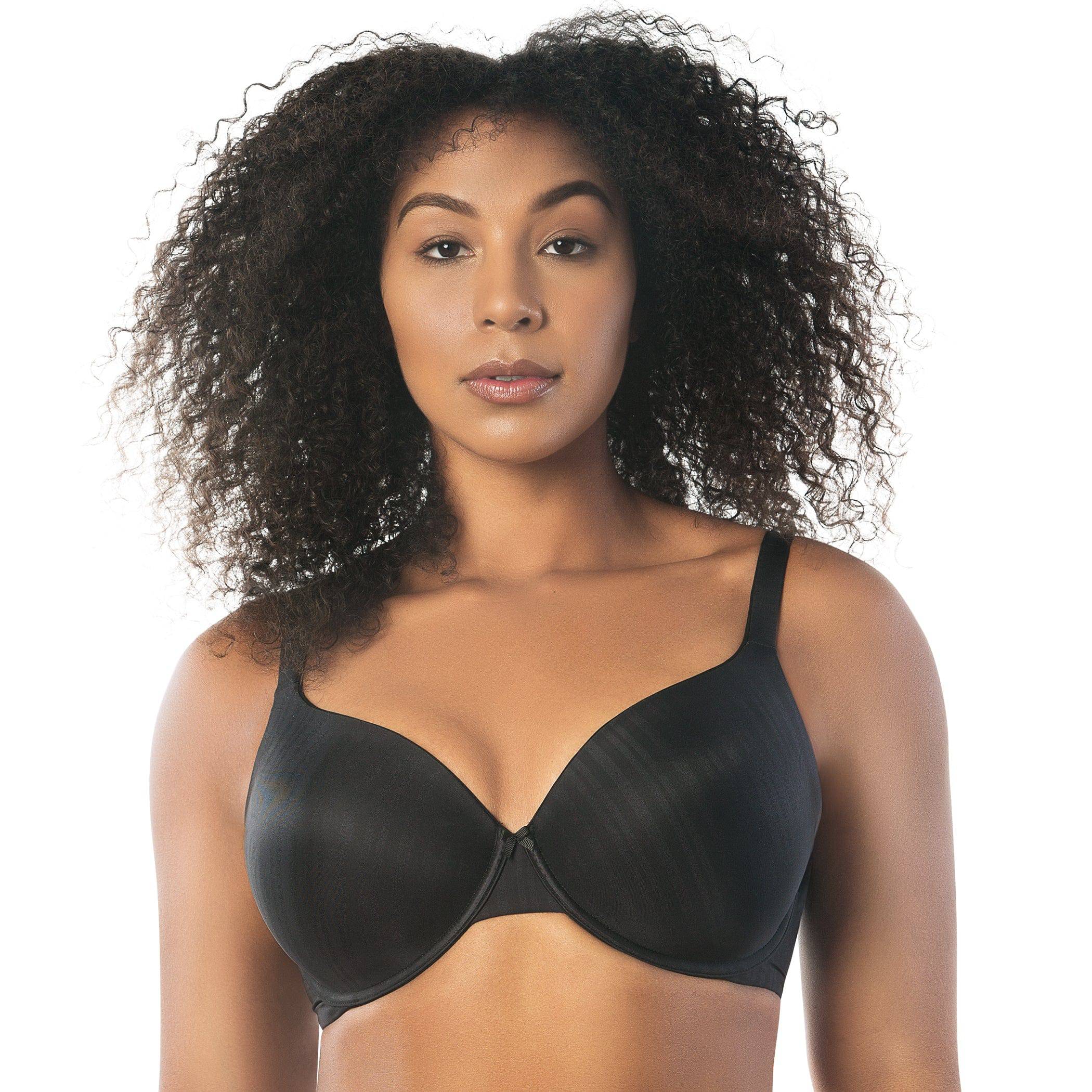
Regardless of exact weight, proper support is essential. A curated overview of top bras for support and lift can help you compare structures and styles. Look for:
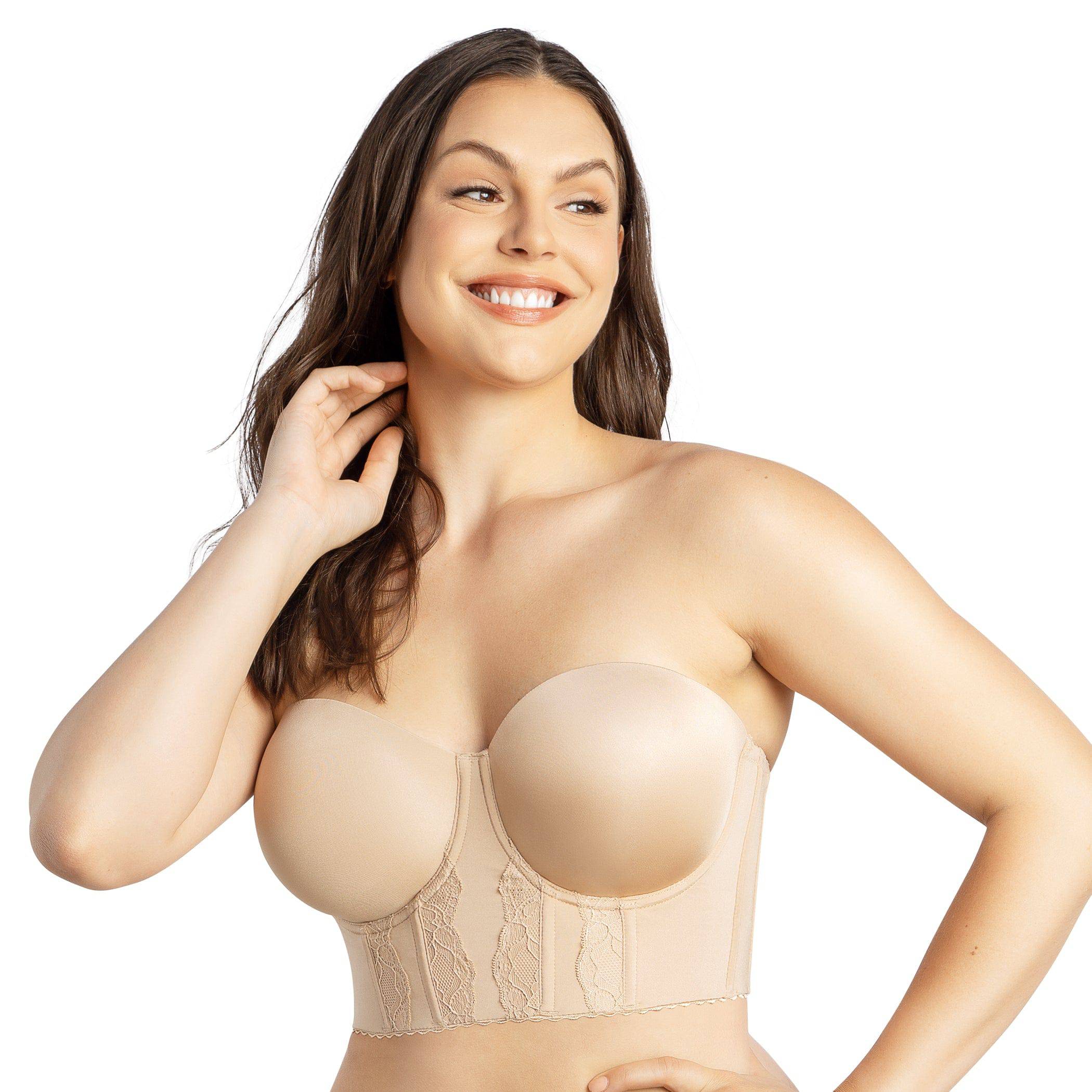
- Wide, firm bands (they provide most of the support), or consider comfortable alternatives to traditional bras if you prefer softer, more relaxed support
- Adjustable, cushioned straps
- Full-coverage or encapsulation cups
- High-quality, durable fabrics
A well-fitted bra can dramatically reduce strain, sometimes more effectively than you’d expect.
A Note on Body Confidence
It’s important to remember that breast weight is just one aspect of your body; it doesn’t define comfort, beauty, or confidence. The goal isn’t precision; it’s understanding what helps you feel supported and at ease.
Final Thoughts
While you can’t easily weigh your breasts with perfect accuracy, simple estimation methods can offer helpful insight. More importantly, focusing on fit, support, and comfort will always matter more than a number.
Because when your support system works for your body, everything feels better.