What Is Lyocell Definition? Eco-Friendly Material Explained
Everything You Need to Know About This Sustainable Material
If you’ve come across the word lyocell definition on a clothing label and wondered, what is lyocell fabric? you’re not alone. Lyocell is quickly becoming one of the most popular eco-friendly textiles in the fashion world, loved for its silky texture, breathability, and sustainability.
Lyocell is a plant based fiber and is considered a sustainable alternative to synthetic fabrics due to its environmentally friendly production process.
What Is Lyocell?
Lyocell is a semi-synthetic fiber made from wood pulp, typically sourced from eucalyptus, oak, or birch trees. Lyocell starts with harvesting wood from renewable resources like eucalyptus and bamboo, which grow quickly and require minimal water and pesticides, and the trees used are often sourced from well managed forests.
Lyocell is made by dissolving raw cellulose extracted from the harvested wood into a sticky raw cellulose solution using a direct solvent, amine oxide, specifically N-methylmorpholine-N-oxide. This cellulose solution is then spun into fibers, and the chemical structure and cellulose structure of the cellulose remain largely unchanged, which is a key chemical point distinguishing lyocell from other fibers like rayon. Although synthetic chemicals are used in the process, they are non toxic and recycled in a closed loop system that recycles about 99.5% of the solvents, resulting in very little waste and minimizing environmental impact.
Lyocell falls between natural and synthetic fibers, making it a semi-synthetic, plant based fiber. It is 100% biodegradable and compostable if not blended with synthetic fibers, decomposing in a few months under the right conditions. Its production is generally faster and more efficient than rayon, uses about 20% less water than cotton, and consumes less energy overall. So when you ask, what is lyocell material made of? the answer is simple: it’s made from natural cellulose found in wood.
What Type of Cellulose Fiber Material Is Lyocell?
Lyocell is part of the rayon family, the same group as viscose and modal, but it stands out for being more sustainable and durable. Lyocell is a semi synthetic fabric, often marketed as cotton lyocell, and is commonly used as a substitute for cotton or silk in clothing and home textiles. If you’re wondering what fabric is lyocell, think of it as a cross between cotton and silk. It feels luxurious like silk but is breathable and easy to care for like cotton.
Compared to conventional cotton and regular cotton, lyocell has a lower environmental impact and uses less water in its production process. As a sustainable alternative to fully synthetic fibers and synthetic fabrics like polyester, lyocell is biodegradable and compostable, unlike synthetic fibers such as polyester, which can take over a century to decompose.
Characteristics and Advantages of Lyocell
Understanding the characteristics of lyocell helps explain why it’s so popular in fashion and home textiles.
- Soft & Smooth Texture: Lyocell fabric feels silky and gentle on the skin. It is generally softer and more absorbent than cotton, making it ideal for sensitive skin.
- Lyocell Breathable: Lyocell is highly breathable, more so than cotton, helping regulate body temperature, making it ideal for clothing, bedding, and humid environments, and its breathable, moisture-wicking qualities make it especially suited for activewear and sleepwear.
- Moisture Wicking: Lyocell is known for its excellent moisture wicking properties, keeping you cool and dry. It absorbs moisture better than cotton, making it perfect for warm weather, activewear, and bath towels. It is also less likely to harbor bacteria and odors, so it doesn't need to be washed as often as other fabrics.
- Eco-Friendly Production: The closed loop process recycles water and solvents, producing very little waste and making it one of the most sustainable fabrics available.
- Durable Fiber: Lyocell fibers are strong, more durable than cotton, and less prone to wrinkling. While it is a durable fiber, proper washing and drying techniques help preserve its integrity and longevity.
These advantages of lyocell make it a favorite for clothing, sheets, bath towels, and eco-conscious fashion.
Lyocell Uses in Clothing and Beyond
When exploring what is lyocell fabric used for, the list is impressive. You can find lyocell in a wide range of products, including clothing, bedding, and home textiles. Lyocell is commonly found in:
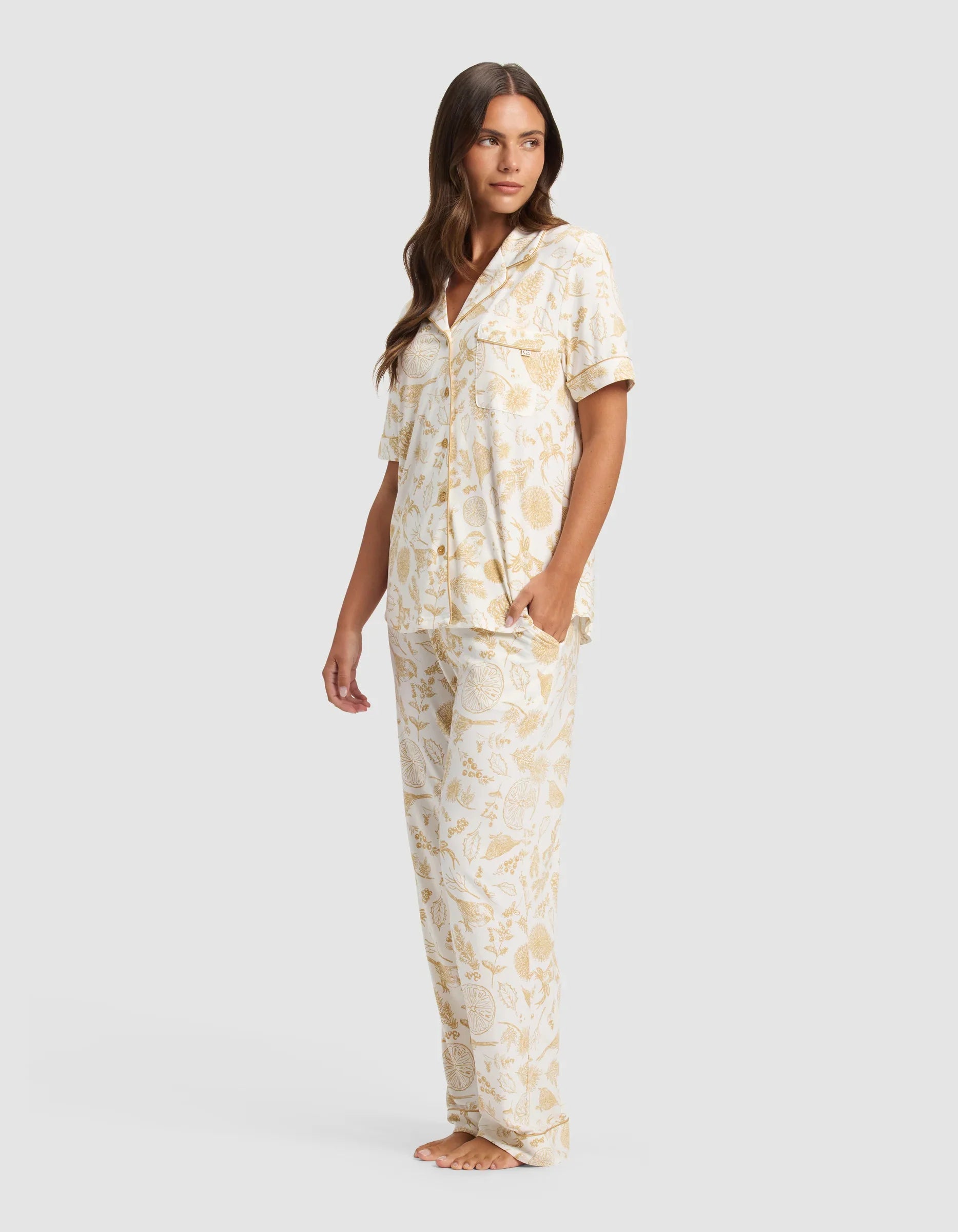
- Apparel: Dresses, shirts, activewear, and underwear.
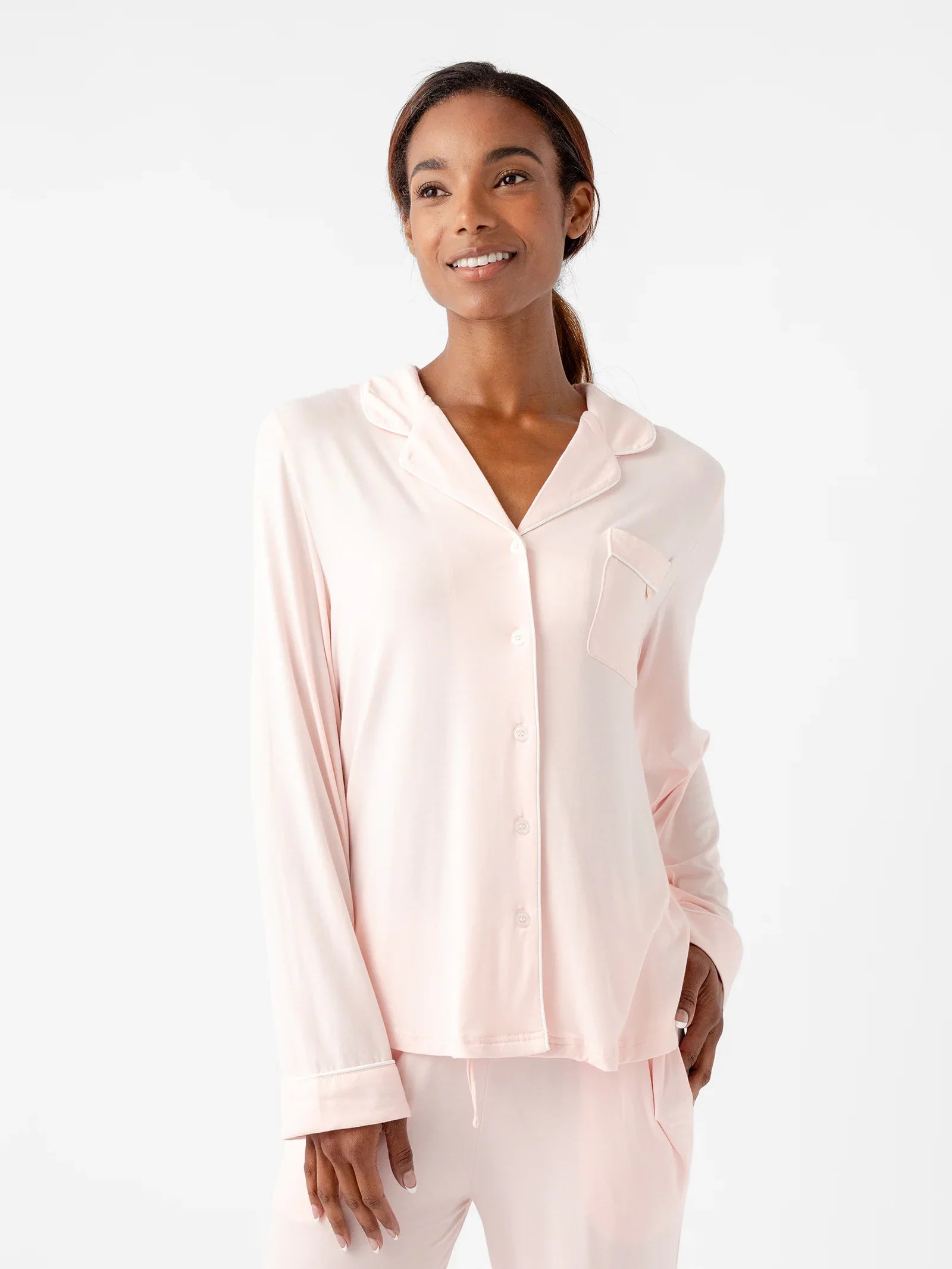
- Home Textiles: Bed sheets, pillowcases, and towels. Ettitude is a brand known for offering towels, robes, sheets, and more made from lyocell.
- Industrial Uses: Blended yarns, specialty fibers, conveyor belts, and medical dressings, where lyocell's durability and resistance make it suitable for demanding applications.
Lyocell is often marketed under the brand name Tencel lyocell, produced by Lenzing AG. The Tencel division originated from Courtaulds Fibers, which played a significant role in the development and global production of the fabric.
Lyocell is commonly blended with other fibers, such as cotton, polyester, or silk, to enhance durability, add luster, and improve fabric properties. These blends with other fibers provide specific benefits like ease of care and sustainability.
Compared to similar fabrics like viscose rayon, lyocell stands out for its eco-friendly, closed loop manufacturing process, which is more sustainable than the traditional process of making rayon.
Because of its softness and strength, lyocell clothing is often described as both luxurious and practical.
Lyocell Meaning and Definition
The definition of lyocell refers to a regenerated cellulose fiber made using an eco-conscious spinning process. In short, lyocell meaning centers on sustainability, a fabric that feels good and does good for the planet.
Is Lyocell Expensive?
Compared to synthetic fabrics, lyocell can be more expensive due to its environmentally responsible production. However, the durability, comfort, and sustainability make it a worthwhile investment.
Care and Maintenance of Lyocell Fabric
Caring for lyocell fabric is key to preserving its luxurious feel, breathability, and eco-friendly benefits. Because lyocell production uses a unique solvent spinning technique to transform wood cellulose into soft, durable fibers, this fabric requires a gentle touch to maintain its quality.
When it comes to washing lyocell fibers, always opt for cold water and a mild detergent. This helps protect the delicate cellulose fiber structure and prevents any breakdown of the amine oxide solvent used during the manufacturing process. Steer clear of bleach and harsh chemicals, as these can damage the smooth surface of lyocell and compromise its eco friendly properties.
For drying, air drying is the best choice. Simply hang your lyocell sheets, clothing, or bedding to dry naturally, away from direct sunlight. If you need to use a dryer, select a low-heat setting to avoid lyocell shrink and maintain the fabric’s shape. High heat can cause the thin fibers to contract, so gentle handling is essential. Should you need to iron lyocell, use a pressing cloth and a low-temperature setting to protect the fabric’s smooth finish.
Lyocell is a great option for those with sensitive skin, thanks to its hypoallergenic nature and the non toxic solvent used in its production. The fabric’s smooth surface minimizes skin irritation, making it ideal for everyday wear and bedding. When shopping for lyocell products, look for certifications that ensure the raw materials come from sustainably managed forests and that the production process follows strict environmental standards.
Compared to other fabrics like viscose rayon, lyocell offers a more sustainable and low impact alternative, thanks to its closed loop system and efficient solvent spinning technique. Blending lyocell with natural fibers such as merino wool can enhance durability and moisture wicking properties, resulting in versatile, breathable textiles.
By following these care and maintenance tips, you’ll extend the life of your lyocell items and continue to enjoy their softness, durability, and eco friendly benefits. Whether you’re caring for lyocell bedding, clothing, or blended fabrics, gentle washing and drying will help you make the most of this innovative, sustainable material.
The Future of Lyocell
As consumers continue to look for sustainable materials, lyocell is leading the way. Whether you're curious what lyocell fabric is made from or what is lyocell in clothing, the answer is clear, it's a modern material combining luxury, comfort, and environmental responsibility.