Is Poly Fabric Stretchy? What You Need to Know
When shopping for clothing, especially lingerie, loungewear, or activewear, fabric matters as much as fit. One of the most common questions is: Is polyester (poly fabric) stretchy?
The answer isn’t a simple yes or no. Polyester can be stretchy, but it depends on how it’s made.
What Is Polyester Fabric Stretchy?
Polyester is a synthetic fabric made from petroleum-based fibers. Polyester is a synthetic material created from petroleum-derived raw materials, primarily polyethylene terephthalate (PET).
It’s widely used in fashion because it’s:
- Durable and long-lasting
- Resistant to wrinkles and shrinking
- Lightweight and easy to care for
- Moisture-resistant and quick-drying
Polyester is produced either from raw materials or by recycling plastic. The production process starts with manufacturers reacting ethylene glycol with dimethyl terephthalate to form a monomer, which then undergoes another reaction to produce a polymer. This polymer is melted and extruded into long strands, cut into small PET pellets, and then spun into polyester fibers. These fibers are twisted into polyester yarn, which is used to make a wide range of textiles. Recycled polyester production begins with collecting used plastic items like bottles, which are then cleaned and broken down into flakes before being melted to create new polyester fibers. The stretchiness of polyester fabric depends primarily on the fiber blend, fabric construction, and manufacturing process.
Because of these qualities, polyester shows up in everything from everyday basics to performance wear.
Is Polyester Naturally Stretchy?
Pure polyester (100% polyester) is known for its minimal stretch. On its own, 100% polyester has very little natural stretch. It’s generally more rigid compared to fabrics like cotton or spandex.
Pure polyester fabrics, especially when woven, have minimal stretch and are often used for stiff, structured garments like uniforms and suits, which resist wrinkling. Polyester is less stretchy than cotton, but it can be made more flexible when blended with spandex or elastane.
However, that doesn’t mean polyester garments can’t stretch.
When Does Polyester Become Stretchy?
Polyester becomes stretchy when it’s blended with elastic fibers or manufactured using specific knitting techniques. The stretchiness of polyester fabric depends on several factors, including the fiber blend, fabric construction (such as knitted or woven), and fabric thickness.
Polyester blend fabrics are widely used in clothing manufacturing due to their versatility. Common polyester blends include polyester-cotton, polyester-rayon, polyester-linen, polyester-spandex, and tri-blend fabrics (polyester, cotton, and spandex). Blending polyester with other fibers can enhance stretch, durability, comfort, and texture. For example, blending polyester with spandex or elastane creates a stretchy fabric with excellent recovery, making it ideal for activewear and fitted garments. Polyester-cotton blends are lightweight, durable, and more breathable than pure polyester, but they have limited elasticity. Polyester-rayon blends offer durability and wrinkle-resistance with added softness, though they have very little stretch. Polyester-linen blends combine linen’s softness with polyester’s durability, but typically have little to no stretch. Tri-blend fabrics can be stretchy depending on their composition.
Here are the most common scenarios:
1. Knitted polyester fabrics:
Knitted polyester fabrics are made using a knitted construction of interlocking loops, which makes them more stretchy and flexible than woven polyester fabrics. Knitted fabric is inherently more elastic because the interlocking loops can move and expand, resulting in a stretchy fabric that is comfortable and adaptable. In contrast, woven polyester uses a tight, grid-like pattern that limits elasticity, making it stiffer and less flexible. Lighter polyester fabrics tend to have slightly more give than heavyweight, stiff fabrics.
2. Polyester blend fabrics:
Blending polyester with elastic fibers like spandex or elastane significantly increases polyester stretch, transforming stiff polyester into a flexible, elastic fabric, even with as little as 2–5% spandex. Polyester-spandex or polyester-elastane blends are favored for their significant stretchability and are commonly used in sportswear and fitted garments. Polyester-cotton blends are lightweight and breathable but have limited elasticity. Polyester-rayon and polyester-linen blends have little stretch, but offer other benefits such as softness, drape, and durability. Tri-blend fabrics, which include polyester, cotton, and spandex, can be stretchy depending on their composition.
3. Performance and activewear:
Polyester stretch in performance and activewear is achieved by blending polyester with elastic fibers and using specific knitting techniques to create elastic fabric that is resilient, form-fitting, and suitable for a wide range of activities.
Polyester + Spandex (Elastane)
This is the most common blend in stretchy clothing.
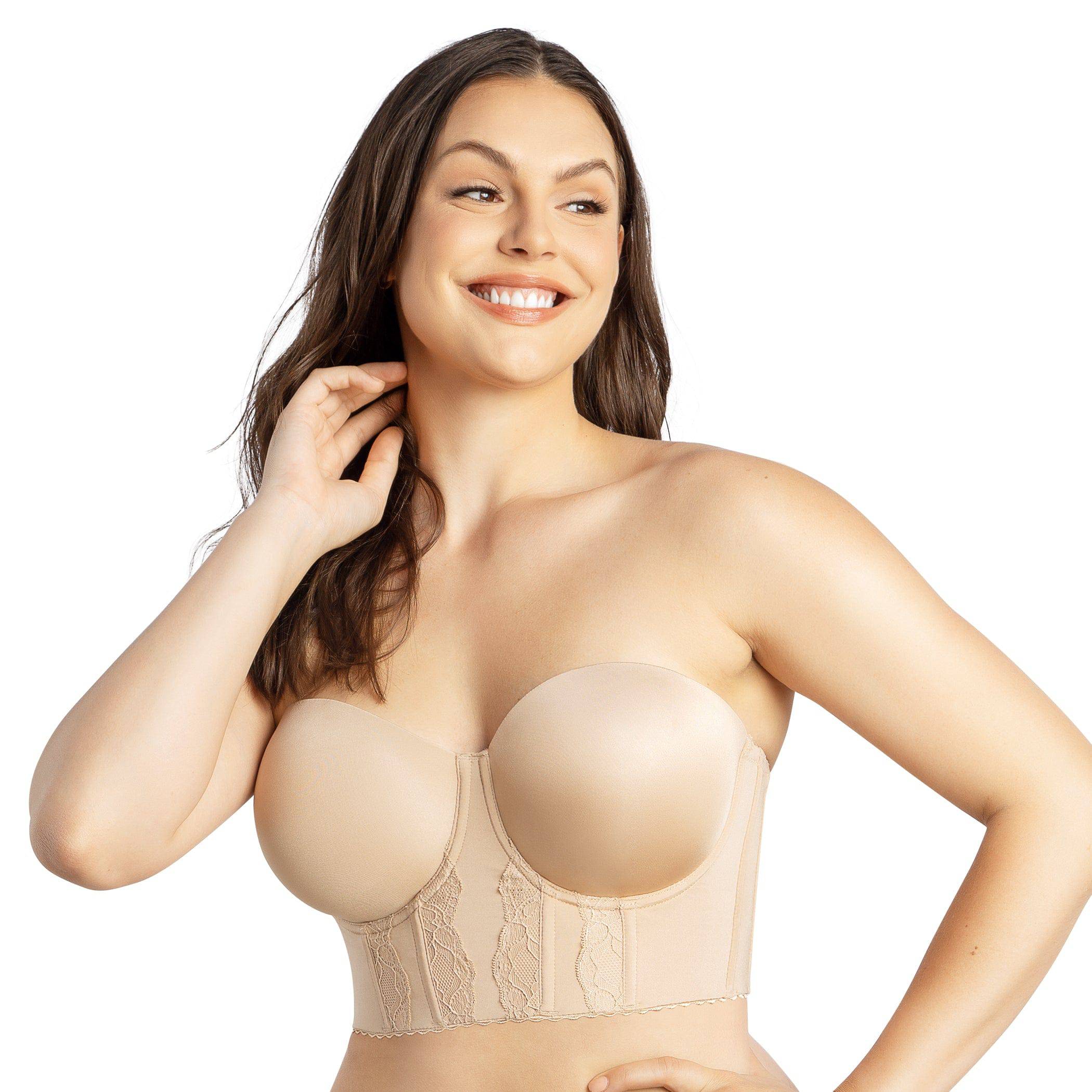
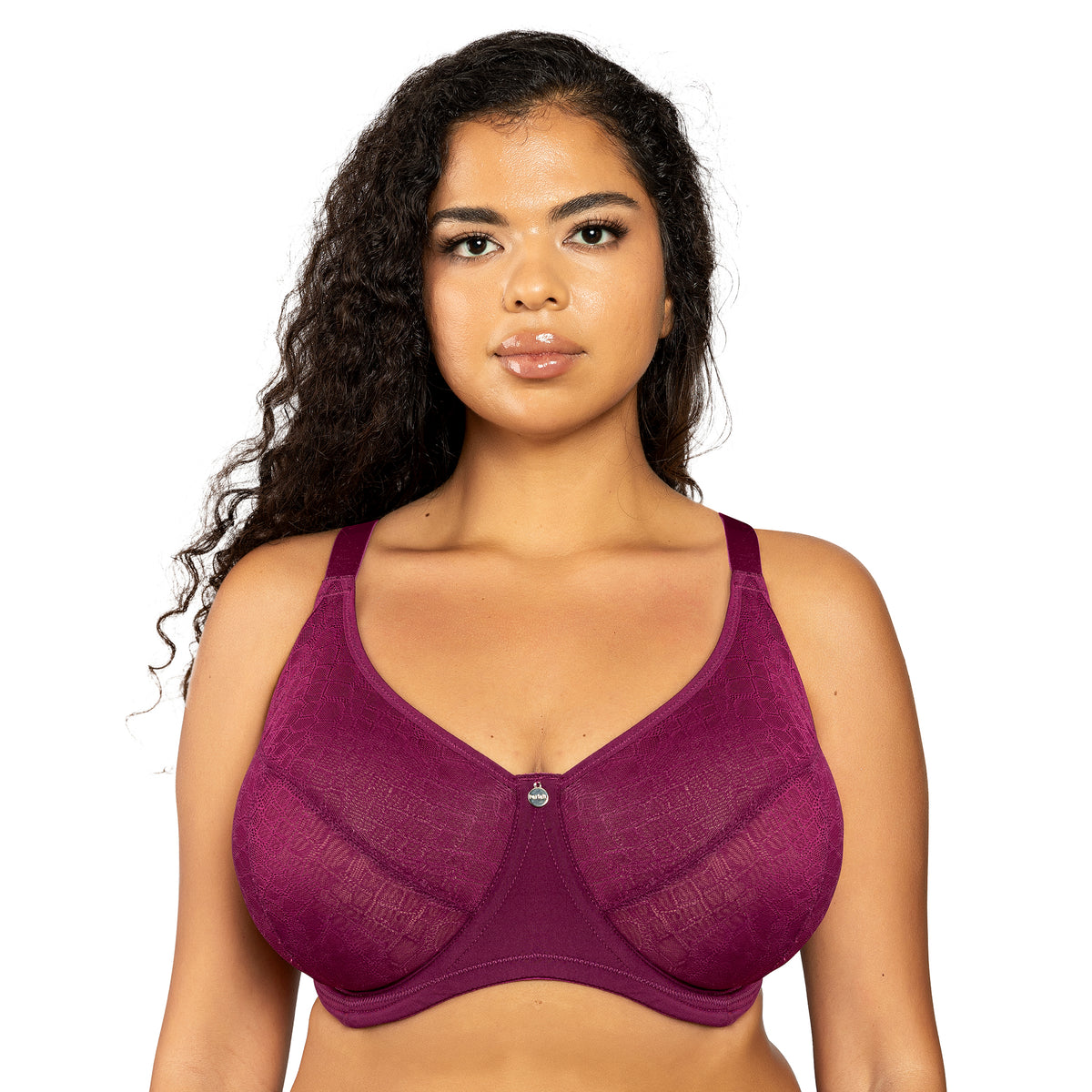
- Found in leggings, bras, and fitted tops
- Offers flexibility, shape retention, and comfort
- Ideal for body-hugging designs
Knit Polyester Fabrics
Even without spandex, knit construction can add some flexibility.
- Softer and more flexible than woven polyester, knit polyester fabrics are made using a knitted construction, which involves interlocking loops.
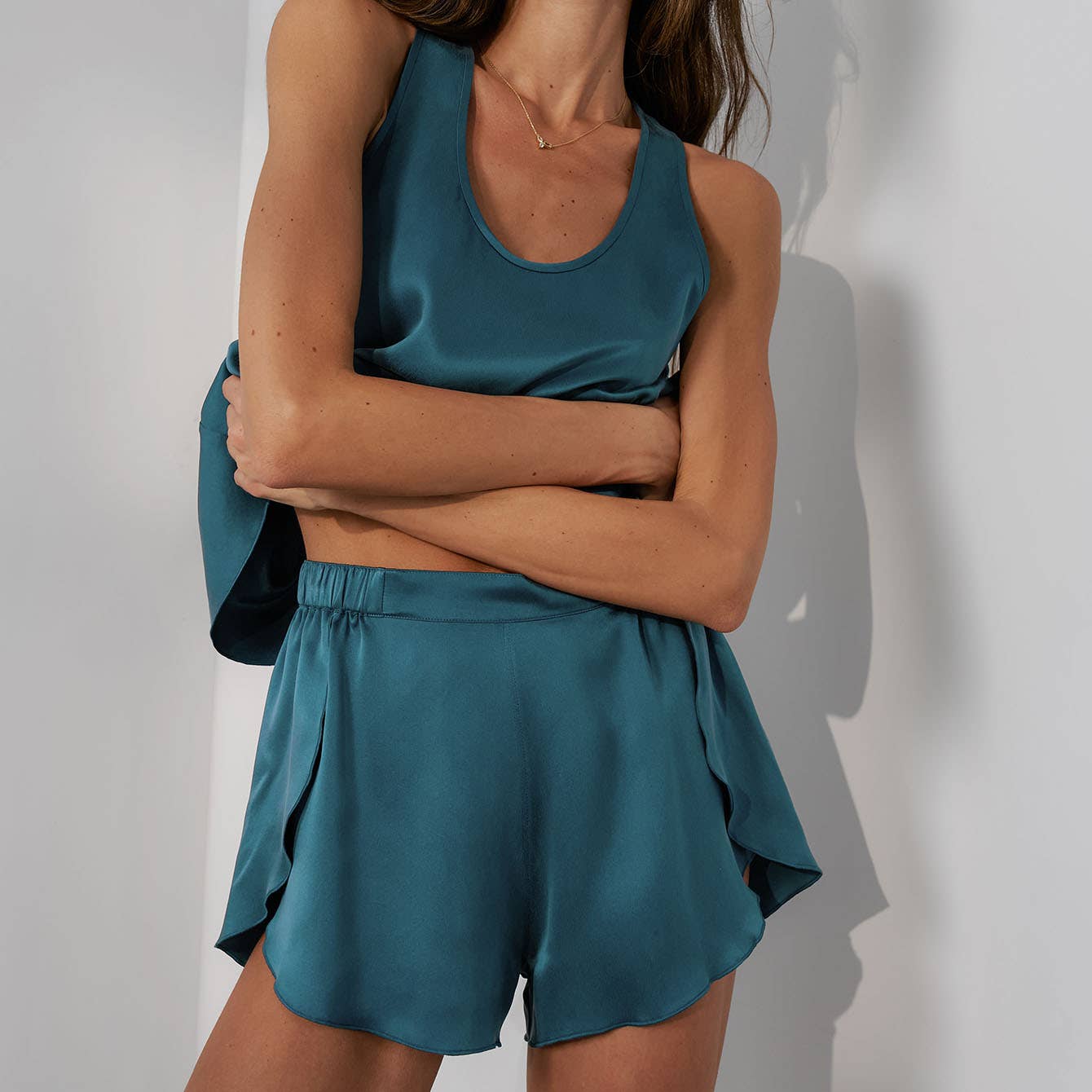
- Often used in t-shirts, loungewear, and casual pieces
Knitted (stretchy) fabrics are made of interlocking loops, making them more flexible and stretchy than woven (not stretchy) fabrics, which use a tight, grid-like pattern. Knitted polyester fabrics tend to be more stretchy than woven polyester fabrics.
Performance and Activewear Fabrics
Polyester used in activewear is often engineered to stretch and move.
- Polyester jersey is a popular type of polyester fabric used in activewear due to its stretch and moisture-wicking properties.
- Designed for mobility and breathability
- Often includes elastane for added stretch
Polyester in Lingerie and Swimwear
In lingerie and swimwear, polyester is rarely used. It’s typically blended to create the perfect balance of:
- Stretch and support
- Comfort and durability
- Shape retention over time
Understanding what lingerie is and how intimate apparel is constructed can help you see how polyester blends are used strategically for support, coverage, and aesthetics.
Polyester-wool blends are commonly used in winter clothing like sweaters and hats, offering warmth, durability, and some stretch, making them ideal for cold-weather apparel compared to other textile blends, while highly elastic fibers like elastane (spandex) are reserved for garments that need significant stretch and close-to-body fit.
This makes it a reliable fabric choice for pieces that need to move with your body while maintaining structure.
How to Tell If a Polyester Garment Is Stretchy
Before buying, check:
- Fabric label: Look for spandex or elastane (even 5–10% makes a big difference)
- Fabric type: Knit fabrics usually stretch more than woven fabrics
- Feel: Stretch the fabric gently, does it bounce back?
- Product description: Words like “stretch,” “flex,” or “four-way stretch” are good indicators
If you’re sensitive to heat or sweat, it also helps to understand how breathable elastane really is in blends so you can balance stretch with comfort.
Comparison to Natural Fabrics
Through decades of experience in the textile industry, the distinction between polyester fabric and natural fabrics reveals itself as a fundamental expertise every fashion professional must master. Natural fibers like cotton, linen, and silk have earned their reputation through centuries of refinement, prized for their breathability, absorbency, and luxurious texture, qualities that have made them the foundation of casual wear and everyday clothing collections. Polyester, however, emerged as a synthetic revolution, bringing impressive durability, wrinkle resistance, and moisture-wicking capabilities that transformed activewear and outdoor clothing into what we know today, while other exceptionally soft fabrics like cotton, bamboo, silk, and modal remain favorites for pieces where next-to-skin comfort is the top priority.
The mastery of natural fibers lies in understanding their inherent ability to facilitate airflow and regulate body temperature, a skill refined through years of product development. Cotton, for instance, has become the cornerstone of casual wear collections because of its gentle touch against the skin and cooling properties, making cotton camisoles that gently sculpt while staying breathable a popular alternative when you want softness with light shaping instead of high-compression synthetics. Yet seasoned industry professionals recognize the challenges natural fabrics present: their tendency toward shrinking, wrinkling, and shape deterioration through repeated care cycles, obstacles that have driven innovation throughout fashion history.
Polyester fabric represents an engineering triumph, crafted to maintain structure and resist wrinkles, making it the go-to choice for today's fast-paced lifestyle demands. Woven polyester fabrics have earned particular recognition for their structural integrity and support capabilities, while polyester blends, including polyester cotton blends and poly cotton blends, represent the industry's pursuit of perfection. These blended innovations marry the breathability and comfort heritage of natural fibers like cotton with polyester's revolutionary wrinkle resistance and durability. This expertise has led to polyester cotton blends becoming industry staples in t-shirts, dresses, and everyday wear collections, where fabric care choices like the right fabric softeners and softening methods can further enhance comfort without sacrificing durability.
For professionals seeking advanced performance, polyester spandex blends emerged as the ultimate achievement, sharing many fit and support principles with modern shapewear that uses targeted compression and high-stretch fibers. By combining polyester with elastic fibers like spandex or elastane, these fabrics deliver exceptional flexibility and shape retention, innovations that have redefined fitted clothing and activewear standards across the industry and also help prevent common lingerie mishaps like the biggest lingerie fashion fails caused by poor fit and fabric choice.
Sustainability has become the new frontier of textile expertise, and recycled polyester stands as the industry's answer to environmental challenges, echoing broader shifts in lingerie design toward more thoughtful, inclusive, and eco-conscious materials. Crafted from clear and dyed plastic waste, recycled polyester maintains the same moisture-wicking and durability excellence as virgin polyester, while dramatically reducing environmental impact. This innovation represents a smart evolution for industry professionals and brands committed to minimizing plastic waste and championing sustainable fashion advancement.
The ultimate decision between polyester and natural fabrics reflects professional expertise and understanding of client priorities, whether the focus demands breathability and luxurious texture, or requires the wrinkle resistance and durability that polyester fabric delivers. Through mastering the unique benefits of each fiber type, industry professionals can guide the perfect fabric selection for any lifestyle application, from casual wear collections to outdoor clothing and performance apparel lines.
When to Choose Stretchy Polyester
Polyester apparel is a versatile fabric used in a wide range of clothing, from activewear to outerwear. Stretchy polyester is ideal for:
- Fitted clothing and layering pieces
- Activewear and athleisure (polyester is often used in sportswear for its moisture-wicking properties)
- Bras, bralettes, and underwear, especially styles that follow modern panty trends in fabrics and cuts
- Swimwear that needs to hold its shape
- Everyday undergarments like 100% cotton bras for natural comfort
- Polyester fleece, which combines warmth, softness, and durability, making it perfect for casual outerwear like hoodies and sweatshirts
Polyester clothes are durable, wrinkle-resistant, and easy to care for, making them a practical and cost-effective choice. Polyester fabrics are resistant to shrinking, stretching, and wrinkling, making them low-maintenance and easy to care for.
If comfort and movement are priorities, a polyester blend is often a smart choice.
Final Thoughts
Polyester itself isn’t naturally very stretchy, but with the right blend or construction, it can become one of the most flexible and comfortable fabrics in your wardrobe.
The key is knowing what to look for. Because when fabric, fit, and function come together, your clothing doesn’t just look good, it feels right.