Is Lyocell Breathable? A Look into the Fabric’s Features
Is Lyocell Breathable? A Look into the Fabric's Features. In the world of textiles, lyocell has emerged as a revolutionary fabric praised for its eco-friendliness, softness, and versatility. Whether it's used in modern clothing, home textiles, or stylish mini hair clips, the adaptability of lyocell is making it a favorite across various fashion and functional applications. A common question for those exploring this material is: Is lyocell breathable? The short answer is yes, lyocell is not only breathable but also excels in other performance aspects that make it a top choice for modern clothing and home textiles.
This article explores what makes lyocell breathable and why it's a superior choice for comfort and sustainability.
Understanding Lyocell: What Is It?
Lyocell is a type of rayon fabric made from wood pulp, typically derived from eucalyptus, beech, or spruce trees. Lyocell is considered a semi synthetic fiber because it is derived from natural wood cellulose but processed with synthetic chemicals. The production process begins with harvesting wood from sustainably managed forests, utilizing natural resources in an eco-friendly way. Raw cellulose is extracted from the wood, forming a sticky raw cellulose solution. This sticky raw cellulose is then dissolved using non-toxic, recycled synthetic chemicals as part of the cellulose fiber production process. Through a spinning process, the cellulose solution is pressed through tiny holes to create long, thin fibers. The entire manufacturing method uses a closed loop process, which is a key part of lyocell's sustainable production process, recycling solvents, minimizing waste, and reducing water and energy use, making it an environmentally friendly alternative to traditional fabrics.
This natural origin gives lyocell its unique characteristics, including breathability, moisture wicking capabilities, and a silky smooth texture.
Why Lyocell Is Exceptionally Breathable
-
Natural Fiber Structure
Lyocell fibers are derived from wood pulp, which has a naturally porous structure. This allows air to circulate freely through the fabric, enhancing breathability and keeping the wearer comfortable in various conditions. -
Moisture-Wicking Properties
One of lyocell’s standout features is its ability to wick moisture away from the body. The fibers absorb sweat and release it into the air, keeping the skin dry and preventing overheating. Lyocell offers advanced moisture management and moisture control, efficiently pulling sweat away from the skin to keep you dry and comfortable. This moisture-wicking ability also helps prevent the growth of odor causing bacteria, keeping clothing fresher for longer. -
Temperature Regulation
Thanks to its breathability and moisture-wicking properties, lyocell helps regulate body temperature. It keeps you cool in hot weather and provides warmth during cooler temperatures, making it a versatile choice for year-round wear. Lyocell is the perfect fabric for warm climates due to its exceptional breathability and moisture-wicking abilities. -
Soft and Lightweight Feel
Lyocell fabrics are lightweight and smooth, further contributing to their airy and breathable nature. The smooth surface of lyocell is gentle on the skin, making it especially suitable for those with sensitive skin. This ensures maximum comfort, even during prolonged wear. -
Flexibility and Comfort
Lyocell is stretchy and maintains its shape over time, providing lasting flexibility and comfort for a variety of uses.
Sustainability of Lyocell
Lyocell fabric stands out as a truly sustainable and eco-friendly alternative to both traditional natural fibers and synthetic fibers. At the heart of lyocell production is the transformation of wood pulp, often sourced from fast-growing eucalyptus trees, into thin fibers through a process that prioritizes environmental responsibility. The wood used for lyocell is typically harvested from sustainably managed forests, ensuring that the raw materials are renewable and that forest ecosystems remain healthy for future generations.
A key feature of lyocell’s sustainability is its innovative closed loop system. This advanced production process recycles up to 99% of the solvents used to turn wood pulp into lyocell fibers, drastically reducing waste and preventing harmful chemicals from entering the environment. Compared to conventional cotton and other fibers, lyocell production uses significantly less water and energy, making it a more resource-efficient choice.
Lyocell’s plant-based origin means that the fabric is naturally biodegradable and compostable, unlike many synthetic fabrics that persist in landfills for decades. This makes lyocell a great fabric for those seeking an eco friendly alternative that won’t contribute to long-term pollution. Additionally, the use of non toxic dyes and finishes in lyocell garments helps minimize the risk of skin irritation and reduces the release of hazardous substances into waterways.
Another sustainable advantage of lyocell is its durability. Lyocell garments are designed to last, which means fewer replacements and less waste over time. The fabric’s excellent moisture wicking properties and ability to regulate body temperature can also help reduce the frequency of washing, saving both water and energy in everyday wear.
When compared to other natural fabrics like merino wool, lyocell offers a sustainable alternative without the environmental impacts associated with livestock farming. As a plant based fiber, lyocell relies on renewable resources and a production process that is gentle on the planet.
Whether you’re choosing lyocell bed sheets, activewear, or everyday clothing, you can feel confident that you’re making a positive impact. With its closed loop system, sustainably sourced wood, and commitment to minimizing environmental harm, lyocell fabric is paving the way for a more sustainable future in textiles.
Applications of Breathable Lyocell
Clothing
-
Activewear: Lyocell’s breathability and moisture-wicking properties make it an excellent choice for workout clothes. TENCEL Lyocell, a popular branded lyocell, is widely used in high-performance activewear for its superior comfort and sustainability.
-
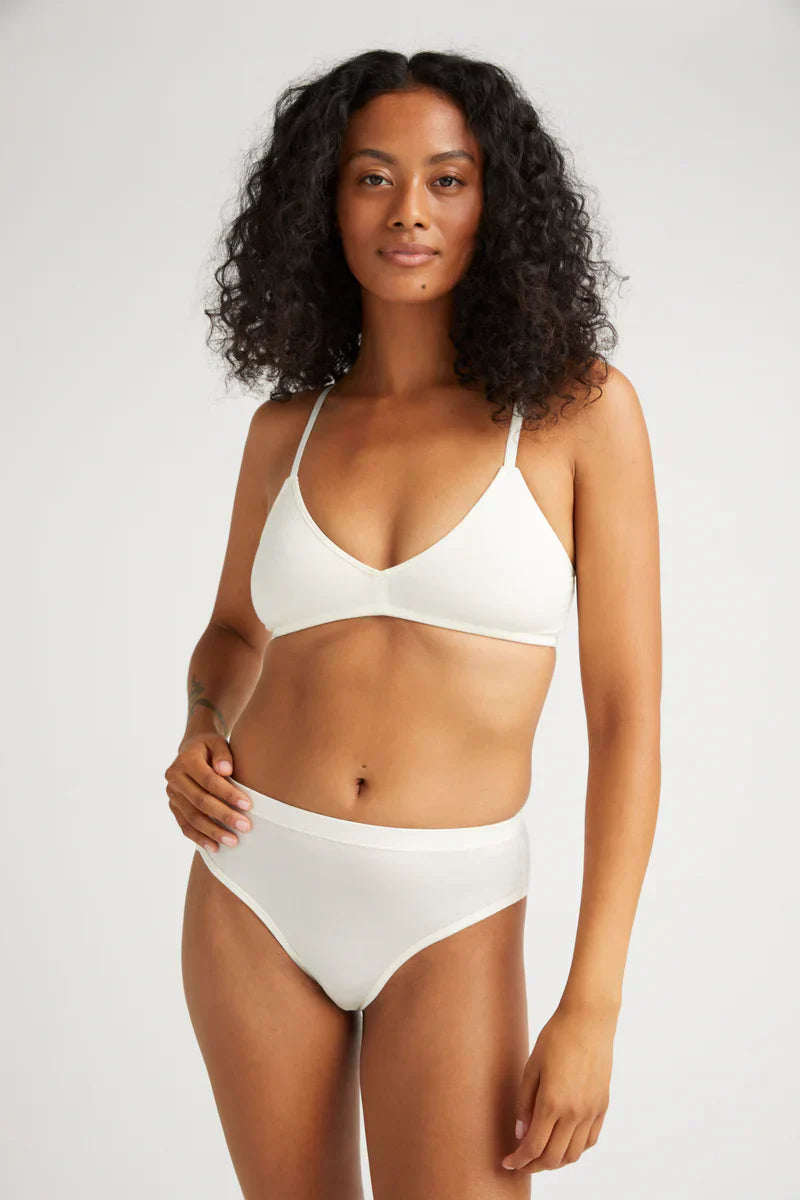
Casual Wear: T-shirts, blouses, and dresses made from lyocell offer all-day comfort.
-
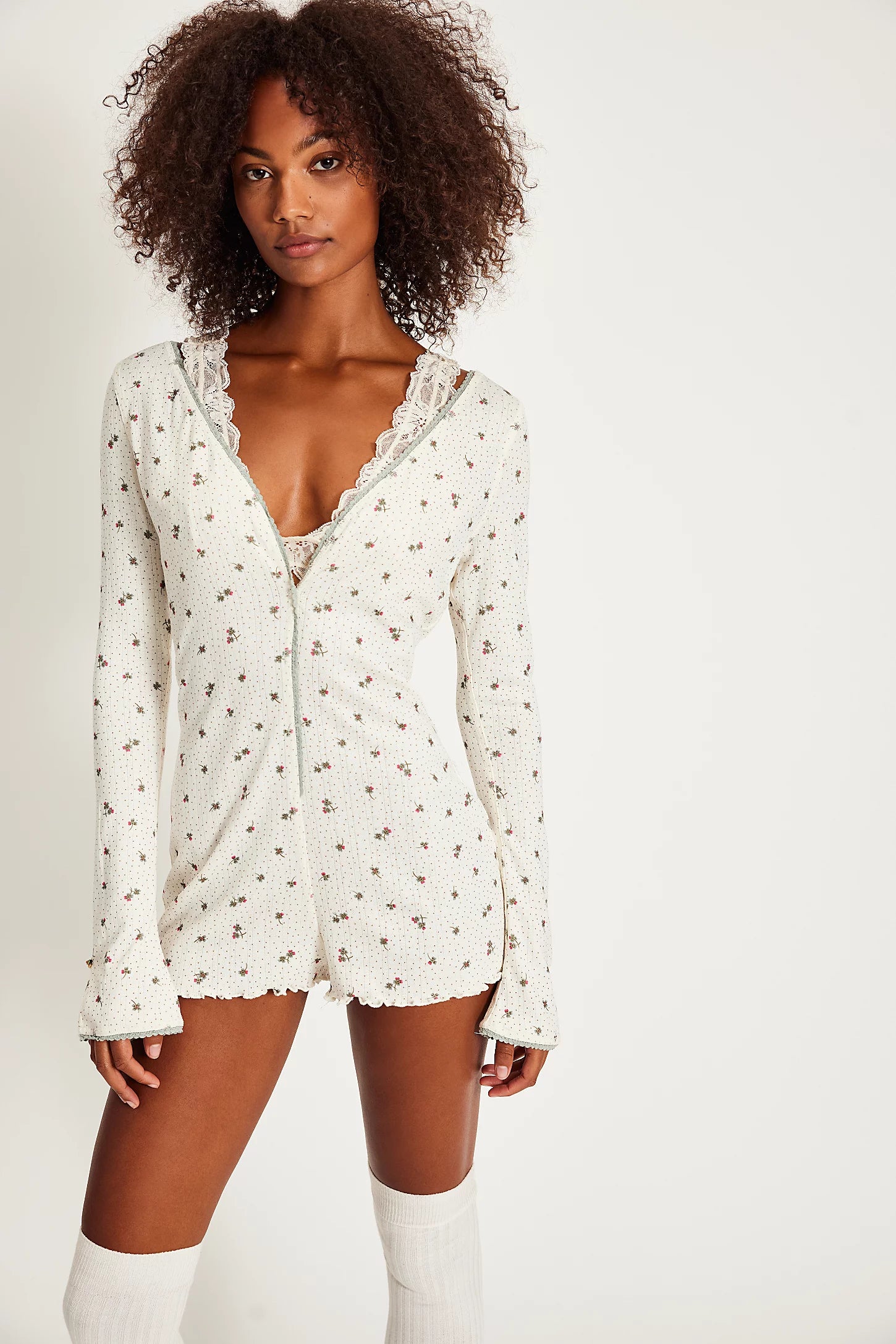
Sleepwear: Lyocell is a popular choice for pajamas and nightgowns due to its ability to keep you cool and dry throughout the night.
Compared to conventional fabrics like polyester and nylon, lyocell clothing is more breathable and comfortable, making it a better choice for those seeking performance and skin-friendly materials. Branded lyocell options, such as TENCEL Lyocell, are also known for their sustainability and high quality.
Home Textiles
-
Bedding: Lyocell sheets and pillowcases are prized for their breathability, ensuring a comfortable and cool sleeping environment.
-
Towels: Its quick-drying nature makes lyocell ideal for towels and bathrobes.
Benefits Beyond Breathability
In addition to being breathable, lyocell offers a range of other advantages:
-
Eco-Friendliness
The production process is more sustainable than many other fabrics, using fewer resources and generating less waste. -
Hypoallergenic Properties
Lyocell is gentle on sensitive skin, making it a great option for those prone to allergies or irritation. -
Durability
Despite its softness, lyocell is highly durable and resists pilling, ensuring long-lasting wear and use. -
Easy Care
Lyocell is machine-washable and dries quickly, making it a low-maintenance fabric for busy lifestyles. For best results, machine wash on a gentle cycle and avoid high heat, as exposure to high heat can cause lyocell shrink (typically around 3-5% in the first wash). It is recommended to air dry lyocell garments to maintain their shape and prevent further shrinkage. If you need to iron lyocell, use a low heat setting and a pressing cloth to protect the fabric.
How Lyocell Compares to Other Fabrics
-
Cotton: While cotton is breathable, lyocell surpasses it in moisture-wicking and softness. When considering lyocell vs organic cotton, lyocell generally has a lower environmental impact due to its closed-loop production and efficient water use, while organic cotton relies on eco-friendly cultivation but may require more land and water. It's important to note that some products may contain only a tiny fraction of lyocell fibers, which can be misleading in sustainability claims.
-
Polyester: Polyester, a common synthetic material, lacks the natural breathability of lyocell and can trap heat, making it less comfortable in warm conditions. Lyocell, as a semi synthetic fabric, is more eco-friendly than polyester because it is derived from renewable wood pulp and does not shed microplastics.
-
Silk: Lyocell offers a comparable smooth texture to silk but is more breathable and easier to care for. As part of the cellulose fibers family, lyocell is made from wood pulp using a process that avoids toxic chemicals, unlike some conventional fabrics. Responsible sourcing of wood pulp is crucial to prevent damage to carbon rich peatlands and ensure true sustainability.
Conclusion: Lyocell as a Breathable Fabric
Yes, lyocell is highly breathable, making it an excellent choice for clothing, bedding, and other textiles where comfort and performance are essential. Its ability to regulate temperature, wick moisture, and provide unparalleled softness ensures that lyocell meets the demands of modern, eco-conscious consumers.
Whether you're selecting a new set of sheets or upgrading your wardrobe, consider lyocell for its breathability, sustainability, and versatility. Shop our premium lyocell collection today and experience the difference for yourself.