The Best Hair Ties for Thick Hair That Don’t Damage
Introduction to Hair Ties
The Best Hair Ties for Thick Hair That Don’t Damage: Top PicksThick hair is a blessing, but managing it without damage can be a daily challenge—especially when it comes to tying it back. Many conventional hair elastics simply aren’t up to the task: they snap, stretch out, or worse, tug at your strands until breakage becomes inevitable. For those with full, voluminous locks, choosing the right hair tie isn’t just a matter of convenience—it’s essential for maintaining hair health.
-
In this guide, we explore the best hair ties for thick hair that won’t damage, pull, or crease—so you can style confidently without compromising the strength and beauty of your hair.
-
Hair ties are an essential accessory for managing thick hair, and choosing the right one can prevent hair breakage and damage.
-
The best hair ties for thick hair are designed to provide a firm hold without pulling or tugging on the hair.
-
When selecting a hair tie, consider factors such as material, elasticity, and design to ensure it suits your hair type and needs.
-
Thick hair requires hair ties that are gentle yet strong, and can withstand the weight and texture of thicker hair.
-
Hair ties made from materials like mulberry silk, satin, or cotton are gentler on hair and reduce breakage.
Why Standard Hair Ties Fall Short for Thick Hair
Traditional elastics often lack the durability and flexibility needed to secure thicker strands. When forced, they create tension points that lead to breakage, hair shedding, and even headaches due to excessive tightness. If you’ve ever had to double or triple wrap a band just to keep your pony tail in place, you’ve likely experienced the damage hair ties.
For thick hair, the goal is clear: you need a hair tie that provides secure hold without sacrificing comfort or hair integrity.
Characteristics of Good Hair Ties
-
Good hair ties should have a soft and smooth natural texture to prevent tangling and breaking of hair.
-
They should provide a tight hold without being too tight, which can cause hair breakage and damage.
-
Elastic hair ties are a popular choice, but they can cause friction and lead to hair breakage if not chosen carefully.
-
Hair ties with a heavy duty design and made from durable materials are ideal for big hair.
-
We absolutely love hair ties should be able to retain elasticity, keep natural oils and provide a firm hold without slipping or breaking.
What to Look For in Damage-Free Hair Ties for Thick Hair
1. Stretch with Strength
Look for high ponytail made from blended materials like spandex and nylon, which allow the elastic to stretch widely without snapping. These materials rebound better than pure rubber and retain their shape over time.
2. Seamless Construction
Hair ties with seamless, nice strong hold construction reduce the risk of catching and breaking strands during removal. Look for options labeled "no metal" or "seamless" to ensure smooth handling.
3. Thicker Band Width
Wider hair ties distribute tension more evenly across the scalp and hair shaft, making them less likely to cause dents or damage.
4. Soft, Covered Fabrics
Fabric-covered elastics, including scrunchies or knit bands, add a protective layer that reduces direct friction on the hair, lowering the chance of breakage—especially important for textured or curly thick hair.
Types of Hair Ties
-
There are various types of hair ties available, including elastic hair ties, silk scrunchies, and coil hair ties.
-
Elastic hair ties are suitable for most hair types, but may not be ideal for very thick or curly hair.
-
Silk scrunchies are a great option for thick hair, as they are gentle and prevent breakage.
-
Coil hair ties are another popular choice, as they provide a strong hold without causing creases or dents.
-
Hair bands and ponytail holders are also available in different materials and designs to suit various hair types.
Benefits of Using the Right Hair Ties
-
Using the right hair ties can prevent hair breakage and damage, especially for thick hair.
-
The right hair tie can also help to reduce frizz, keep curls and prevent tangling, making it easier to style and manage hair.
-
Hair ties that are designed for thick hair can provide a firm hold without pulling or tugging, which can be painful and damaging.
-
The best hair ties can also help to prevent hair loss and promote healthy hair growth.
-
By choosing the right hair tie, you can keep your hair looking healthy, shiny, and well-managed.
Top Types of Hair Ties That Work for Thick Hair
-
Spiral Coil Hair Ties
These telephone cord-style bands grip without tugging and reduce pressure points that can lead to hair loss and creasing. They’re excellent for securing heavy hair with minimal effort. -
Oversized Silk Scrunchies
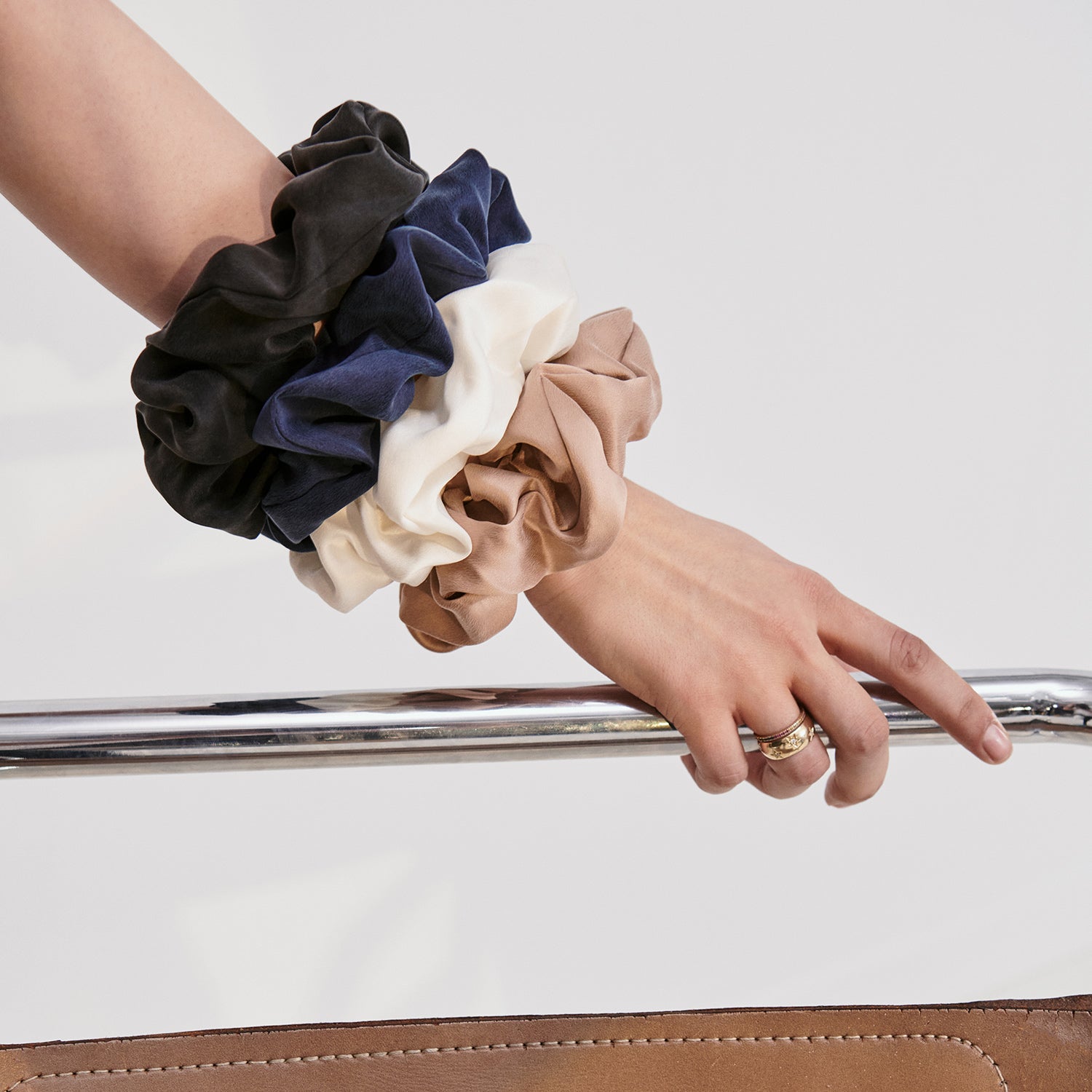
Larger scrunchies made from silk or satin are a premium choice for minimizing tension, fine hair and avoiding split ends. They also add a touch of style while being supremely gentle. -
Elastic Bands Bungee
For those with extra-dense hair or protective styles like braids, bungee hair tight allow you to customize the tightness without wrapping multiple times—perfect for damage-free, secure hold. -
Thick Seamless Hair Ties (No-Metal)
Brands that specialize in “no breakage” elastics offer seamless ties with thicker diameters built specifically to pull hair, especially heavy hair in place without tearing or fraying strands.
Top Picks for Thick Curly Hair Ties
-
Burly Bands are a popular choice for thick hair, as they provide a strong hold without breaking or slipping.
-
Gimme Hair Bands are another great option, as they are designed specifically for thick hair and provide a firm hold without pulling.
-
Scunci Hair Ties are also a popular choice, as they are soft and gentle on hair, yet provide a strong hold.
-
Invisibobble Hair Ties are a great option for those with curly or wavy hair, as they provide a strong hold without causing creases or dents.
-
Silk scrunchies from brands like Slip and Crown Affair are also highly recommended for their gentle and non-damaging properties.
Features to Consider
-
When choosing a hair tie, consider features such as material, elasticity, and design.
-
Look for hair ties made from gentle and non-damaging materials, such as silk, satin, or cotton.
-
Consider the level of elasticity and adjustability of the hair tie, as this can affect its ability to provide a firm hold.
-
Think about the design of the hair tie, and whether it is suitable for your hair type and style.
-
Also, consider the size and thickness of the hair tie, as this can affect its ability to hold thick hair.
Hair Care and Maintenance
-
To keep your hair healthy and well-managed, it’s essential to use the right hair tie and to practice good hair care habits.
-
Regularly washing, conditioning and blow drying your hair can help to prevent breakage and damage.
-
Using a wide-tooth comb or a detangling brush are the only ones that can help to gently detangle hair, especially when it’s wet.
-
Avoiding heat styling tools and harsh chemicals can also help to prevent damage and promote healthy hair growth.
-
Trimming your hair regularly can also help to prevent split ends and breakage.
Styling and Fashion
-
Thin Hair ties can be a fashionable and stylish accessory, and can add a touch of personality to your outfit.
-
Consider the different color and design of the hair tie, and whether it matches your personal style.
-
Hair ties can be worn in a variety of ways, such as in a ponytail, bun, or braid.
-
You can also use hair ties to add a pop of color or texture to your outfit.
-
Experiment with different hairstyles and hair ties to find what works best for you and your hair type.
Pro Tips for Using Hair Ties on Long Thick Hair
-
Don’t Tie Wet Hair: Wet strands are more vulnerable to breakage. Always blow dry your hair or use silk scrunchies if tying damp hair.
-
Change Tie Placement: Avoid tying your hair in the same spot every day to prevent stress points.
-
Loosen Up at Night: Swap a bit tight elastics for soft scrunchies or loose braids to protect thick hair while you sleep.
-
Replace Regularly: Even the best ties lose elasticity. Replacing them before they overstretch helps maintain hold without added tension.
Final Thoughts
The right hair tie can mean the difference between sleek styling and lasting damage. In our own experience, If you have thick hair, invest in bands that combine durability, gentleness, and comfort. Whether it’s a coil, scrunchie, or bungee tie, the best choice is one that respects your hair’s volume and strength—without pulling it apart.