Do Hair Ties Cause Breakage? An Expert Guide
Hair ties are a daily essential, whether you’re heading to the gym, styling a sleek ponytail, or keeping your hair out of your face while you work. But are they secretly causing hair breakage? The short answer: they can, depending on the type of hair tie, how tightly you wear them, and how often you use them.
However, it's important to remember that not all hair ties are created equal. Not all hair ties will have the same effect on your hair, some can cause more breakage than others, and not all materials or designs are equally gentle.
Let’s break down the science behind hair ties, why they can cause damage, and how to keep your hair healthy while still enjoying your favorite styles.
Why Hair Ties Can Cause Breakage
Tension and Pressure on the Hair Shaft
When hair is pulled tightly, the tension stresses the hair shaft. For example, wearing a tight ponytail is a common tight hairstyle that can cause damage. Over time, this repetitive pulling can lead to:
-
Weakening of the hair cuticle
-
Mid-shaft breakage
-
Thinning near the ponytail area
If you notice shorter hairs at the crown or nape, your ponytail habits might be the culprit.
To minimize tension and reduce the risk of breakage, avoid tight hairstyles and opt for looser styles whenever possible.
Cutting or Snagging the Hair
Elastic bands with metal components or closures or cheap elastics with rough seams, can catch your strands and physically tear the hair when removed.
This is one of the most common forms of mechanical damage.
Friction From Rough Materials
Traditional rubber bands, elastic hair ties, or tight, textured hair elastics create friction that wears down the outer layer of your hair, especially if your hair is:
-
Curly
-
Coarse
-
Fine and fragile (elastic hair ties can be especially damaging for fine and fragile hair)
-
Color-treated
When friction meets tension, breakage becomes unavoidable.
Signs Your Hair Tie Is Causing Damage
Look out for:
-
Short, broken hairs around the ponytail line
-
A weak or thinning area near your crown
-
Snapping sounds when removing elastics
-
Loss of curl pattern where hair is tied
-
Increased tangling around the ponytail area
-
Split ends
-
Hair fall
If you notice any of these, it’s time to rethink your hair tie routine. Repeated damage can also affect the hair follicles, leading to more serious hair health issues.
The Best Hair Ties That Don’t Cause Breakage
Switching to gentler options can make a dramatic difference: Using the wrong hair tie or regular hair ties, especially those made from traditional elastic or rubber, can increase the risk of hair damage and breakage. Choosing the best hair ties, such as those designed to be gentle and snag free, helps protect your hair and maintain its health. For overall comfort, both in your hair care routine and in what you wear, consider Comfrt Hoodies: The Ultimate Comfort and Style for a cozy apparel choice.
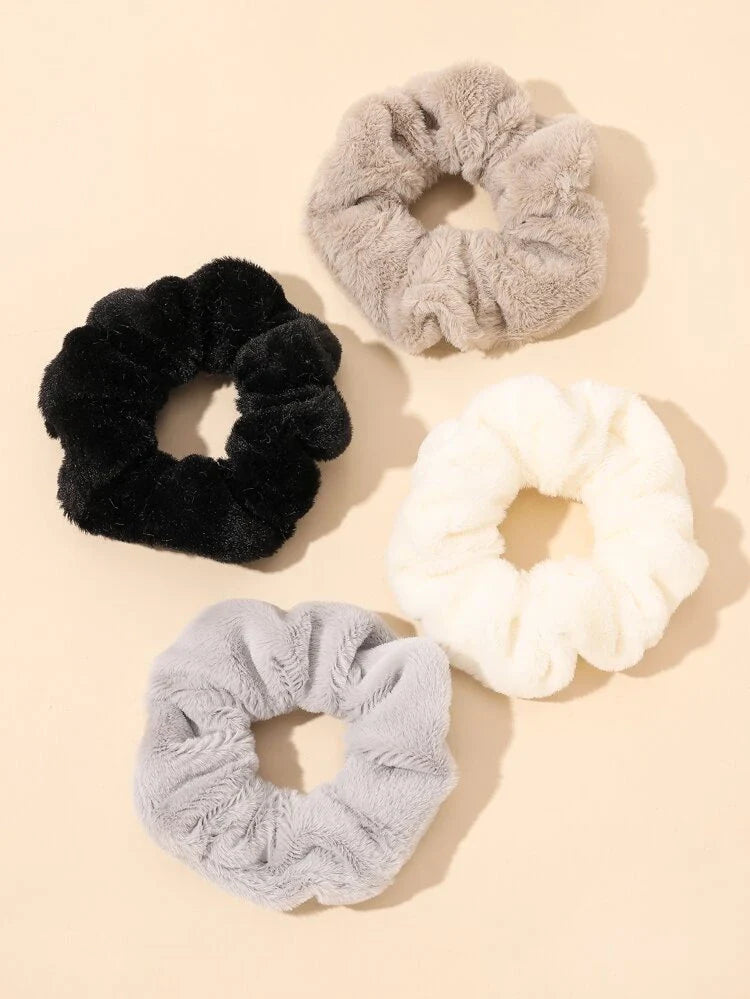
✔ Silk or Satin Scrunchies
Minimize friction and hold hair softly, ideal for all hair types. Mulberry silk scrunchies help maintain your hair's natural oils, reducing breakage and promoting healthier hair.
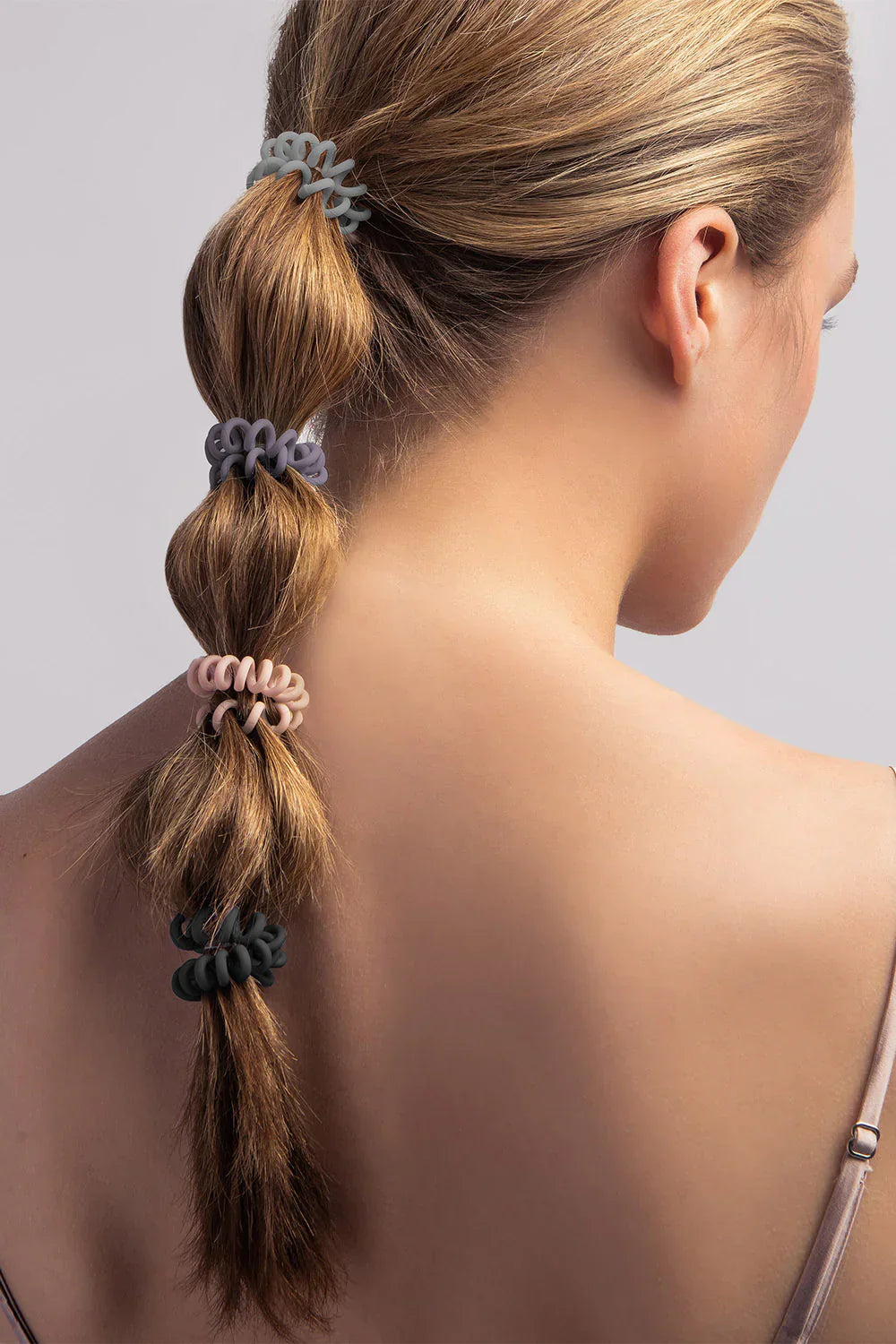
✔ Coiled “Telephone Cord” Elastics
Distribute tension evenly, preventing dents and tugging. These coiled 'telephone cord' elastics, also known as spiral hair ties, are designed to minimize hair breakage and reduce scalp stress.
✔ Seamless, Snag-Free Elastics
No metal, no seams, no tearing, these elastics gently slide out of hair without causing damage, making them simple and effective.
✔ Wide, Soft Fabric Bands
Perfect for thick, curly, thin, or fine hair that needs a gentle hold without causing breakage.
Hair Tie Alternatives
If you’re concerned about hair breakage or have noticed signs of hair damage from traditional hair ties, it might be time to explore some healthier alternatives. Tight hair ties, especially when used on wet hair or thick hair, can put excessive stress on the hair shaft, leading to hair loss and weakened strands. To keep your hair healthy and minimize hair damage, consider switching up your hair accessories and styling habits.
One great way to protect your hair is by using hair clips or claw clips instead of standard hair ties. These accessories hold your hair in place without pulling tightly or causing friction, making them ideal for all hair types, especially for those with thick hair or fine, fragile strands. Hair sticks and fabric headbands are also gentle options that secure your style without putting pressure on the hair shaft.
If you often tie your hair when it’s wet, try to avoid using any tight hair ties, as wet hair is more prone to breakage. Instead, let your hair air dry or use a loose, soft accessory to gather your hair without causing stress. For days when you don’t need to tie your hair back, consider leaving it down or opting for a loose braid to give your hair a break from constant tension.
By choosing alternatives to traditional hair ties and being mindful of how you tie your hair, you can significantly reduce the risk of hair breakage, hair loss, and long term hair damage. Small changes in your hair care routine can make a big difference in keeping your hair healthy, strong, and beautiful.
How to Use Hair Ties Safely
1. Avoid wearing tight ponytails daily.
Alternate styles and placement to reduce repetitive stress. Avoid tying your hair too tightly, especially when creating a high ponytail, as this can increase the risk of breakage and dents. Vary your ponytail placement and opt for looser styles to minimize damage and maintain hair health.
2. Never use actual rubber bands.
They will rip hair instantly, always use bands made for hair.
3. Don’t tie hair when wet.
Wet hair is weaker and snaps more easily. When hair is wet, it is more fragile and prone to breakage, so always detangle gently using a wide tooth comb before styling. Both wet and dry hair require gentle handling to prevent damage.
4. Remove hair ties slowly and carefully.
No yanking, pulling, or ripping through tangles.
5. Sleep in protective styles.
Loose braids or silk scrunchies prevent overnight friction damage.
The Verdict: Do Hair Ties Cause Breakage?
Hair ties can cause breakage, but the damage is avoidable. By choosing gentle materials, avoiding excessive tension, and giving your hair a break from tight styles, you can protect your strands, while still enjoying your ponytails, buns, and updos. Those with longer hair or damaged hair should be especially mindful of their hair tie choices to maintain hair strength and prevent further damage.
Healthy hair is all about small habits that add up. And the right hair tie or a hair bonnet truly makes all the difference.